As sustainability challenges grow, graduates in global sustainable development must acquire interdisciplinary skills to succeed. This article examines the integration of innovation and sustainability in education, emphasizing the need for critical thinking and collaboration across sectors.
Countries around the world are recognizing the urgent need for graduates equipped to handle complex global challenges. A recent report highlights that degrees in global sustainable development are vital for preparing students to tackle pressing issues such as climate change, social equity, and economic sustainability. These programs focus on developing interdisciplinary skills essential in our interconnected world.
Dr. Stephanie Butcher and Dr. Ankit Kumar, educators at the University of Sheffield, emphasize the importance of understanding the links between society, economy, and environment. They argue that as sustainability challenges grow more complex, the demand for individuals who can think critically and collaborate across disciplines increases. This shift is significantly changing educational curricula and career paths.
Interdisciplinary Skills: A Cornerstone of Sustainability Education
Career Ahead’s analysis indicates that interdisciplinary skills are crucial for graduates in sustainable development. Traditional educational models often compartmentalize knowledge, limiting students’ ability to address complex issues effectively. Programs that integrate fields such as environmental science, social justice, and economics prepare students to think holistically about sustainability.
For instance, addressing climate change necessitates scientific knowledge alongside insights into social policies and economic impacts. Graduates from interdisciplinary programs can analyze problems from various perspectives, enabling them to devise innovative solutions that conventional methods might overlook. Employers across diverse sectors increasingly seek this comprehensive skill set.
Moreover, these programs emphasize critical thinking and ethical reflection, encouraging students to engage with the historical and cultural contexts of sustainability challenges. Understanding the impacts of colonialism and capitalism is vital for recognizing modern inequalities, which is crucial for developing effective and equitable solutions to global issues. According to a report from the Economic Times, graduates with these interdisciplinary skills are better prepared to contribute to a sustainable future, adept at navigating the complex web of social, economic, and environmental factors influencing global challenges.
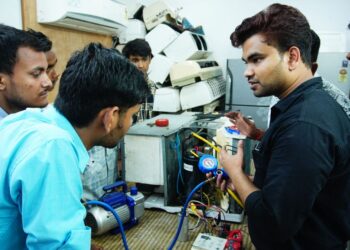
Experiential learning opportunities, such as fieldwork, internships, and community projects, allow students to apply their knowledge in real-world settings.
The recent fee hike for diploma courses in Gujarat reflects a national trend of rising educational costs, impacting students' financial planning and enrollment rates in…
Experiential learning opportunities, such as fieldwork, internships, and community projects, allow students to apply their knowledge in real-world settings. These experiences not only enhance their technical skills but also develop the soft skills necessary for effective collaboration and communication. Employers value these competencies, as they are essential for driving impactful change in sustainability. Integrating hands-on experiences into curricula, as highlighted by Aii, is crucial for preparing students to face real-world sustainability challenges and devise practical solutions.
Innovation: Driving Solutions for Sustainability
Innovation plays a pivotal role in sustainability education, acting as a catalyst for developing new solutions to pressing global challenges. Career Ahead’s research shows that innovative thinking is essential for graduates aiming to make a meaningful impact in their fields. As sustainability issues become more intricate, traditional problem-solving methods may fall short.
Emerging technologies, such as artificial intelligence and data analytics, offer new avenues for addressing environmental challenges. Graduates proficient in these tools can formulate more effective strategies for resource management, climate adaptation, and social equity. By integrating technology into sustainability education, students acquire the skills to leverage these innovations effectively. The ability to apply data-driven approaches is increasingly important, as organizations seek professionals capable of analyzing trends and making informed decisions based on evidence.
Furthermore, the capacity to innovate is closely tied to collaboration. Sustainability challenges often require input from various sectors, including government, non-profits, and private enterprises. Graduates trained to work across these boundaries are better positioned to develop and implement effective, long-term solutions. As organizations prioritize sustainability, the demand for professionals who can drive innovation is critical, evident in industries such as finance, consulting, healthcare, and technology. Graduates with a solid foundation in sustainability and innovation will be in high demand.
In this context, educational institutions must cultivate a culture of innovation within their sustainability programs. Encouraging students to think creatively and challenge conventional ideas is essential for preparing them to tackle future challenges. A report from Stanford University notes that learning diverse approaches to sustainability is vital for developing a comprehensive understanding of the strategies needed to address global issues.
The NCERT has integrated financial literacy into the Class 9 curriculum, focusing on tax slabs, budgeting, and investment knowledge. This initiative aims to equip students…
By integrating technology into sustainability education, students acquire the skills to leverage these innovations effectively.
Preparing for a Future in Sustainability
As the landscape of sustainability evolves, those who can adapt and innovate will lead the way in creating solutions for a more equitable and sustainable world. Graduates in sustainable development are positioned to play a critical role in shaping the future. Their ability to navigate complex challenges will determine their success and impact in a workforce that values interdisciplinary skills and innovative thinking.
Frequently Asked Questions
What skills should graduates in sustainable development focus on?
Graduates should focus on interdisciplinary skills that combine environmental science, social equity, and economic principles. Critical thinking and ethical problem-solving are also essential for addressing complex sustainability challenges.
How can educators adapt curricula to include sustainability and innovation?
Educators can integrate experiential learning opportunities and interdisciplinary approaches into their curricula. Collaborating with industry and community organizations can provide students with practical experiences that enhance their understanding of sustainability issues.
What are the emerging trends in sustainability education for graduates?
Emerging trends include a greater emphasis on technology integration, interdisciplinary collaboration, and experiential learning. Programs are increasingly designed to prepare students for roles that require innovative thinking and a holistic understanding of sustainability challenges.




Education & University Insights
Education & University Insights