No products in the cart.

BRICS 2026 Redefines Global Trade Dynamics
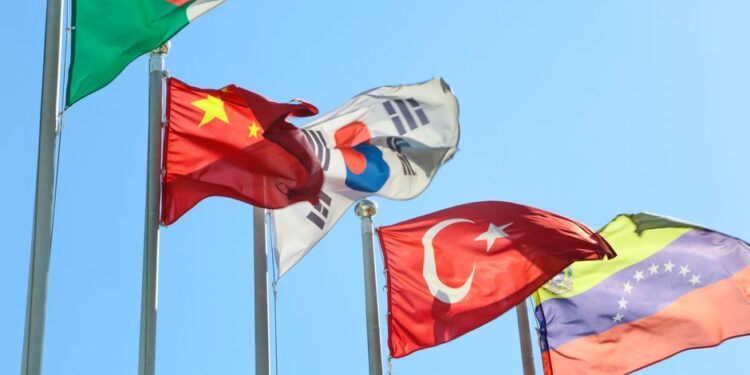
Ahead of the BRICS 2026 Summit, Prime Minister Modi emphasizes the need for global cooperation to address trade, geopolitical, and climate challenges. The summit aims to enhance trade resilience and promote sustainable development among member nations.

New Delhi, India — Prime Minister Narendra Modi has highlighted the importance of global cooperation and positive dialogue before the BRICS 2026 Summit in Delhi. Leaders from major emerging economies, including Russia’s Vladimir Putin and China’s Xi Jinping, will gather to discuss pressing global issues. Modi is confident that the summit will lead to meaningful discussions aimed at improving global well-being.
The summit will take place from September 11 to 12, 2026. It comes at a crucial time as the world faces geopolitical uncertainties, trade conflicts, and climate change challenges. The BRICS nations—Brazil, Russia, India, China, and South Africa—serve as a vital platform for coordinating economic policies among major emerging economies. This year’s theme is “Building for Resilience, Innovation, Cooperation and Sustainability,” showing India’s commitment to development and sustainability.
Global Trade Dynamics and BRICS 2026
The BRICS Summit will address key topics that could reshape global trade. A primary focus will be on enhancing trade resilience among member countries. With ongoing global supply chain disruptions, a strong trade framework is essential. Modi’s administration emphasizes creating cross-border payment mechanisms to facilitate smoother transactions among BRICS nations, reducing reliance on traditional financial systems. According to the Economic Times, Modi stressed the need for a shared aspiration for global well-being, aligning with the summit’s goals.
Career Ahead’s analysis suggests that discussions at BRICS 2026 will likely focus on establishing a more integrated economic framework among member states. This could promote intra-BRICS trade and investment opportunities, enhancing economic ties and providing a counterbalance to Western-dominated trade practices. The emphasis on cooperation will resonate with countries looking to diversify their trade partnerships amid rising geopolitical tensions.
The summit will also explore innovative trade approaches, including digital currencies and blockchain technology. These advancements could streamline trade processes and improve transparency among member nations. As countries like China and Russia seek alternatives to the US dollar in international trade, BRICS 2026 offers a chance to discuss these alternatives. The Ground News reported that Modi’s vision emphasizes a collaborative approach to emerging financial technologies.
Analysts expect that the summit’s outcomes could influence trade policies and broader economic strategies of nations outside the BRICS framework.
The implications of these discussions extend beyond BRICS nations. Countries observing the summit will want to see how these emerging economies plan to reshape global trade. Analysts expect that the summit’s outcomes could influence trade policies and broader economic strategies of nations outside the BRICS framework.
You may also like
 Industry & Global Trends
AI Talent Race Between US and China Is the Next Battleground
The competition for AI talent between the US and China is growing, with significant implications for job opportunities and recruitment strategies in the field. The…
Read More →Geopolitical Implications of the Summit
The geopolitical landscape is another critical focus at BRICS 2026. With leaders from diverse political backgrounds attending, the summit provides a unique platform for dialogue on conflict resolution and cooperation. Modi’s emphasis on positive dialogue highlights India’s role as a mediator in global conflicts, especially regarding tensions in Eastern Europe and West Asia. The Times of India noted that Modi’s message aligns with the need for a collective response to these challenges, fostering diplomatic engagement.
Career Ahead’s research indicates that the summit may lead to new conflict resolution frameworks that prioritize diplomacy over military intervention. This approach could appeal to countries seeking peaceful solutions to ongoing conflicts. Additionally, the presence of leaders from countries like Iran and South Africa suggests a shared interest in regional stability through collaboration.
The summit will likely address energy security issues, especially with fluctuating global oil prices and the shift to renewable energy. As countries work to meet climate commitments, discussions on sustainable energy practices will be vital. The BRICS nations can leverage their collective influence to promote policies that enhance energy sustainability and security. The summit’s outcomes could shape future energy cooperation among member states, particularly in renewable energy technologies.
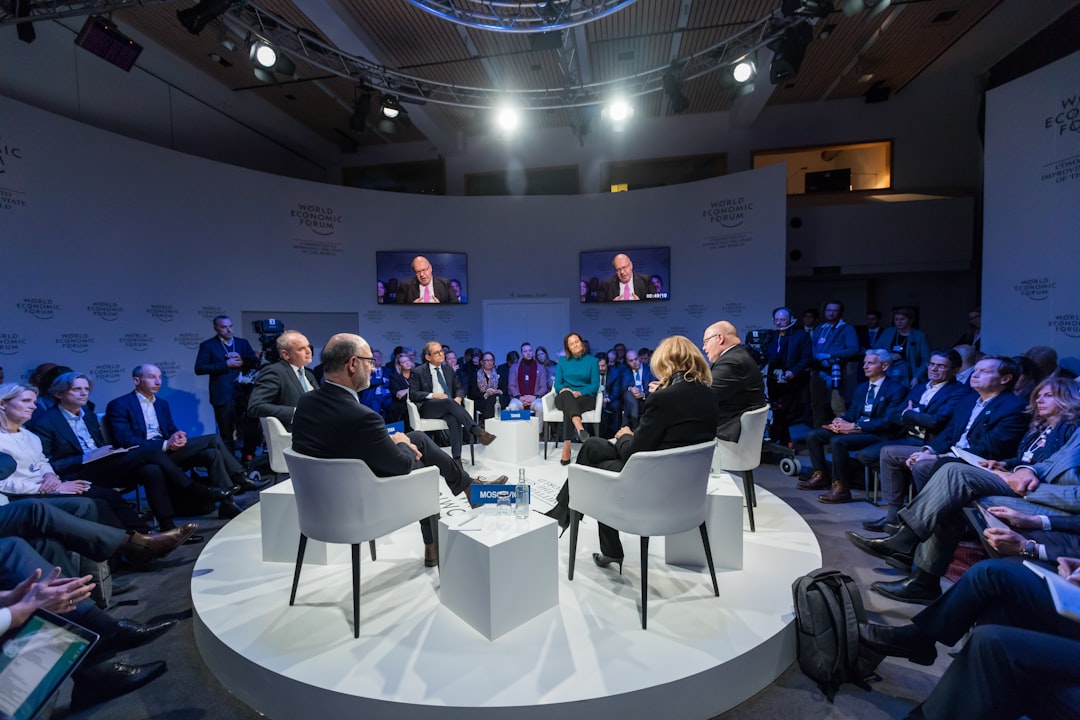
The summit will likely feature discussions on innovative solutions to reduce carbon emissions and promote sustainable development.
As the summit approaches, international relations experts are closely watching the dynamics among BRICS leaders. The results of these discussions could have far-reaching implications for global alliances and trade policies. Countries outside the BRICS bloc will be particularly interested in how these emerging economies position themselves amid increasing geopolitical competition.
Climate change is expected to be a significant topic at BRICS 2026, reflecting the urgent need for collaborative action among major economies. Modi’s message emphasizes sustainability, aligning with the global call for immediate action against climate change. The summit will likely feature discussions on innovative solutions to reduce carbon emissions and promote sustainable development.
You may also like
 Industry & Global Trends
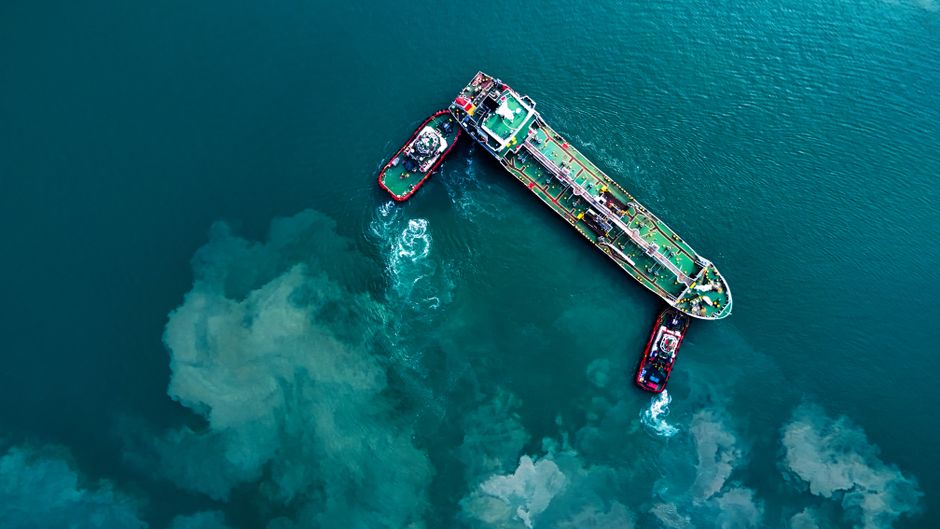
Hormuz Crude Oil Exports Near Pre-War Levels
The return to pre-war export levels is crucial as it indicates a stabilization in the oil market. Producers and shipping industries have adapted by employing…
Read More →Career Ahead’s analysis shows that the BRICS nations are well-positioned to lead global climate initiatives due to their combined economic power and resources. The summit provides a chance for member states to share best practices and technologies to combat climate change. This collaboration could enhance BRICS’s credibility as a leader in global climate governance.
Discussions may also cover financing climate initiatives, focusing on mobilizing resources for sustainable development projects. As the world faces the financial implications of climate change, BRICS 2026 could pave the way for new funding mechanisms supporting green technologies and infrastructure projects in member countries.
Furthermore, the summit’s outcomes could influence international climate negotiations, especially before major global conferences. The BRICS nations can present a united front advocating for policies that prioritize the Global South’s interests, challenging traditional narratives dominated by Western countries.
The implications of BRICS 2026 extend beyond the immediate discussions at the summit. As international relations experts analyze the outcomes, they will watch for shifts in global alliances and policy directions stemming from the summit’s resolutions. The potential for BRICS to redefine global cooperation in trade, geopolitics, and climate action is significant and deserves close attention.
As leaders gather to address pressing global issues, the outcomes will likely shape the future of trade policies, geopolitical alliances, and climate initiatives.
The BRICS Summit 2026 marks a pivotal moment for international diplomacy and cooperation. As leaders gather to address pressing global issues, the outcomes will likely shape the future of trade policies, geopolitical alliances, and climate initiatives. The world will closely observe how BRICS nations navigate these challenges and what new pathways emerge from their discussions.
Frequently Asked Questions
What are the main objectives of the BRICS Summit 2026 for diplomats?
The main objectives of the BRICS Summit 2026 include enhancing trade resilience, fostering cooperation among member states, and addressing global challenges like climate change and geopolitical tensions. Diplomats will focus on establishing frameworks for conflict resolution and economic collaboration.
How will the outcomes of the BRICS Summit affect international trade policies?
You may also like
 Industry & Global Trends
Man Charged
A US national has been charged with illegally exporting Nvidia chips to China, raising significant compliance and legal concerns in the semiconductor industry.
Read More →Outcomes from the BRICS Summit are expected to influence international trade policies by promoting intra-BRICS trade and investment opportunities. The discussions may lead to new trade frameworks that reduce reliance on traditional financial systems and strengthen economic ties among member countries.

What should international relations experts monitor during the BRICS Summit?
International relations experts should monitor discussions around conflict resolution frameworks, trade agreements, and climate change initiatives. The summit’s outcomes could have significant implications for global alliances and trade policies beyond the BRICS nations.