No products in the cart.

How June 2026 IIP Data Affects Manufacturing Job Growth
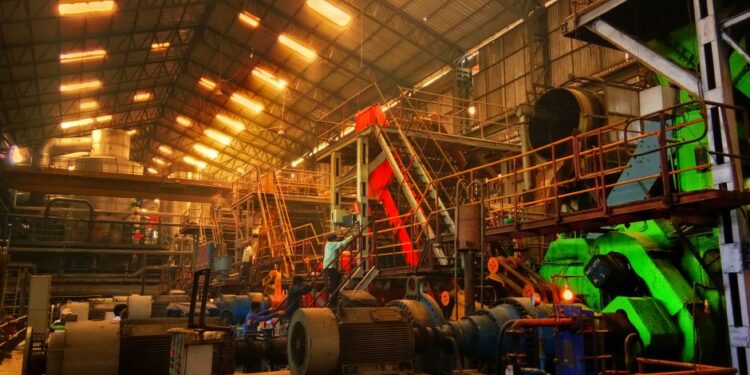
The June 2026 Index of Industrial Production reveals a surprising 7.3% growth in manufacturing output, indicating a potential rebound in the sector. This temporary increase suggests opportunities for job growth but also highlights challenges for sustained economic recovery.

India’s Index of Industrial Production (IIP) for June 2026 shows a surprising growth of 7.3%. This marks a 23-month high. This rise is unexpected, given significant economic challenges like a crisis in West Asia and a poor monsoon season. The report indicates that both domestic and external demand have helped this growth, especially in manufacturing.
The manufacturing sector saw notable gains. Consumer durables maintained growth above 7% for the second month in a row. The non-durables sector also hit a six-month high in growth. Meanwhile, the capital goods sector achieved double-digit growth for eight of the last ten months. These trends suggest a temporary yet significant increase in manufacturing output.
Manufacturing Job Growth and Economic Implications
Career Ahead’s analysis shows that the June 2026 IIP data hints at a rebound in manufacturing. This suggests that job growth could follow in the coming months. As companies respond to increased production demands, they may hire more staff, especially in consumer goods and capital goods. The data shows a clear need for skilled labor in these areas.
According to icrservices.com, manufacturers are increasingly using temporary staffing solutions to meet short-term demands. This trend reflects a broader strategy to stay agile in a changing economy. As production ramps up, the demand for skilled trades, engineers, and technicians is expected to rise.
This could lead to more opportunities for job seekers with relevant skills, especially in production technologies and supply chain management.
You may also like
 Industry & Global Trends
Rolls-Royce Targets Higher Prices for Increased Profits
Rolls-Royce is shifting its focus towards high-priced custom vehicles, reflecting a broader trend in the luxury automotive market.
Read More →Indeed.com also notes the growing availability of temporary industrial manufacturing jobs. Companies are expanding their workforce to meet new production metrics. This could lead to more opportunities for job seekers with relevant skills, especially in production technologies and supply chain management. As manufacturers adapt, they will likely focus on improving workforce capabilities to meet rising demands.
However, this growth may be temporary. Economists warn that external factors, like ongoing geopolitical tensions and seasonal demand variations, could affect sustainability. For example, the poor monsoon is expected to hurt rural demand, possibly slowing down consumer-facing sectors soon.
The resilience of the manufacturing sector could also be tested if government capital expenditure does not continue to support growth. The government’s role in facilitating investment and addressing economic challenges will be crucial. This will determine if the manufacturing sector can maintain its momentum and contribute to long-term job growth.
Supply Chain Management and Economic Policy Considerations
Career Ahead’s analysis indicates that manufacturing analysts should monitor changes in supply chain dynamics related to job growth.
The recent IIP data highlights the importance of effective supply chain management. Manufacturers are responding to changes in production demands. The growth in capital goods suggests that companies are investing in infrastructure and machinery to enhance their production capabilities. This shift can improve efficiency and productivity, which are vital for sustaining growth in manufacturing.
Career Ahead’s analysis indicates that manufacturing analysts should monitor changes in supply chain dynamics related to job growth. With rising production metrics, firms may need to reassess their supply chain strategies. This will help them meet increasing demands without compromising quality or efficiency. There may be a greater focus on sourcing materials locally and building stronger partnerships with suppliers.
You may also like
 Industry & Global Trends
AI Powers Global Banking Cyber Threats
South Korea's banking sector is facing a new wave of cyber threats linked to artificial intelligence (AI), with President Lee Jae Myung revealing that AI…
Read More →Moreover, government policies aimed at stimulating industrial growth will significantly shape the future of manufacturing. As noted by midcindia.org, the Maharashtra Industrial Development Corporation is actively promoting industrial investment in the region. By creating an environment that encourages innovation and investment, the government can facilitate sustainable growth in manufacturing.

However, the relationship between government policies and external economic factors is complex. The ongoing crisis in West Asia and fluctuations in global oil prices may create additional challenges for manufacturers. These factors could impact their operational costs and investment decisions. Analysts must remain vigilant in assessing how these influences affect the manufacturing landscape.
In conclusion, the June 2026 IIP data offers a snapshot of the current state of manufacturing in India. It reveals both opportunities and challenges. While the growth in production metrics may indicate a temporary improvement, the sustainability of this growth will depend on various factors, including government support and global economic conditions. Monitoring these developments will be essential for manufacturing analysts and industrial economists as they navigate the changing economic landscape.
Manufacturing analysts should monitor shifts in supply chain management and job growth in response to the recent IIP data.
Frequently Asked Questions
What trends should manufacturing analysts watch after the June 2026 IIP data?
Manufacturing analysts should monitor shifts in supply chain management and job growth in response to the recent IIP data. The rise in production metrics indicates potential hiring increases in skilled labor, particularly in the capital goods and consumer durables sectors.
How will the June 2026 IIP data influence industrial economists’ forecasts?
The June 2026 IIP data suggests a temporary rebound in manufacturing. This may lead economists to adjust their forecasts for job growth and economic performance in the coming months. However, external factors like geopolitical tensions and seasonal demand fluctuations may temper these forecasts.
What should manufacturing analysts do about the temporary improvement in production metrics?
Manufacturing analysts should assess the sustainability of the growth indicated by the June 2026 IIP data. This includes evaluating how external economic factors and government policies may impact the manufacturing sector’s ability to maintain this momentum.
You may also like
 Industry & Global Trends
US Solar Panel Makers Try to Catch China With a Big Leap
As of October 2026, US solar panel manufacturers are making significant strides in technology, particularly with tandem solar panels, to enhance efficiency and regain market…
Read More →