No products in the cart.

How the Iran Conflict is Shaking Oil and Gas Markets
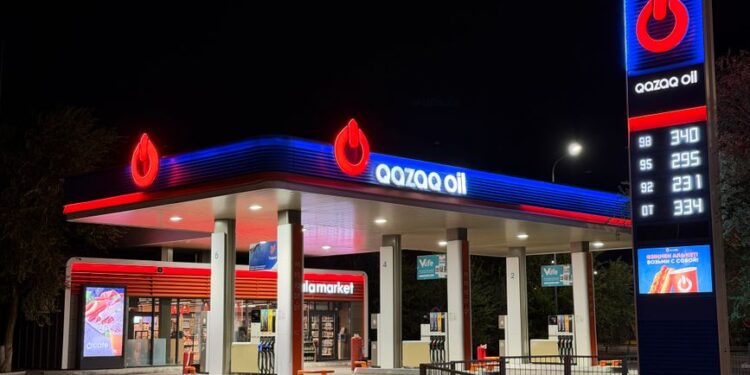
The ongoing conflict in Iran has caused notable volatility in oil and gas prices, directly impacting stock valuations and global energy supply chains. Investors must adapt their strategies to navigate the changing landscape.

Oil prices have surged in recent months due to the ongoing conflict in Iran. This conflict began escalating in early 2026. The war has disrupted supply chains and created uncertainty in global markets. As a result, energy prices have fluctuated significantly. Investors and analysts are closely monitoring these developments to adjust their strategies.
The conflict has impacted oil prices and caused stock valuations to shift across various sectors. Companies that rely on stable energy prices are feeling the pressure. Meanwhile, energy stocks have seen both gains and losses as the situation evolves.
Impact of the Iran Conflict on Oil Prices
The war in Iran has pushed oil prices to new highs. Brent crude has reached levels not seen since 2022. This spike is due to fears of supply disruptions, as Iran plays a significant role in the global oil market. According to data from Investing.com, oil prices have increased by 25% since the start of the year, reflecting market anxiety about potential escalations.
Career Ahead’s analysis shows that this rise in oil prices is not just a temporary blip. It is part of a longer trend driven by geopolitical tensions. The International Energy Agency (IEA) has warned that supply disruptions could become more frequent if the conflict escalates. This situation creates challenges for investors, who must navigate rising prices and potential supply shortages.
Sanctions imposed on Iran by various countries have complicated the situation further. These sanctions aim to limit Iran’s ability to export oil, resulting in a tighter global supply. Consequently, countries that depend on Iranian oil are now seeking alternative sources. This shift can lead to increased prices in other markets as demand changes.
The uncertainty surrounding the conflict also impacts futures markets. Traders are adjusting their positions based on expected price movements. This volatility is likely to continue as long as the conflict persists. Investors must stay informed and ready to adapt their strategies.
The uncertainty surrounding the conflict also impacts futures markets.
Shifts in Energy Stock Valuations
You may also like
 Industry & Global Trends
SSENSE Faces Challenges from Trump’s Tariffs on Canadian Retail
SSENSE, a leading Canadian retailer, is grappling with the implications of tariffs imposed by the Trump administration. As the retail landscape shifts, understanding these impacts…
Read More →The conflict in Iran has led to noticeable shifts in energy stock valuations. Companies in the oil and gas sector have experienced fluctuations in their stock prices. Some have benefitted from rising oil prices, while others face challenges due to increased operational costs. According to CNN, energy stocks have seen a mix of gains and losses. Some companies report record profits, while others struggle to maintain profitability.
Career Ahead research indicates that investors are becoming more selective in their stock picks. They focus on companies with strong fundamentals and the ability to weather market volatility. This shift is evident in the performance of major energy companies. Those with diversified portfolios are faring better than those heavily reliant on oil production alone.
Additionally, the war has prompted some companies to reevaluate their investment strategies. As geopolitical risks mount, firms are increasingly considering investments in renewable energy. This shift serves as a hedge against potential future disruptions in fossil fuel markets. It is likely to accelerate as the conflict continues, pushing investors to seek stability.
For stock market traders, the key takeaway is to remain vigilant and responsive to market signals. The volatility caused by the Iran conflict means stock prices can change rapidly. Traders must adapt their strategies to capitalize on opportunities while managing risks effectively.
Traders must adapt their strategies to capitalize on opportunities while managing risks effectively.
Global Energy Supply Chain Trends
The conflict in Iran has significant implications for global energy supply chains. As countries scramble to find alternative sources of oil, the interconnected nature of global markets becomes clear. Supply chain disruptions can lead to increased costs and delays. This affects everything from production to transportation. According to Finance Yahoo, the war has already caused a reevaluation of energy supply chains. Many countries are looking to diversify their sources to mitigate risks.
Career Ahead’s analysis indicates that this shift will likely lead to a more fragmented energy market. Countries may rely on a broader range of suppliers. This diversification can help reduce dependency on any single source, making global energy markets more resilient against geopolitical tensions.
You may also like
 Industry & Global Trends
Electronics Masters Challenge Make | Career Outlook
India's electronics assembly sector is transforming under the Make in India initiative, with companies like Optiemus Electronics leading the way. However, the challenge lies in…
Read More →Furthermore, the conflict is prompting discussions about energy security and self-sufficiency. Countries that previously relied heavily on imports are now exploring domestic energy production options, including renewables. This shift could reshape the energy landscape in the coming years. Nations are prioritizing energy independence to protect against future conflicts.

Overall, the ongoing war in Iran is reshaping the energy sector in profound ways. Investors and analysts must stay informed about these trends to make strategic decisions in a rapidly changing environment. The interplay between geopolitical events and market fluctuations highlights the need for adaptability in investment strategies.
The volatility in oil and gas prices due to the Iran conflict raises important questions about the future of energy markets. As tensions escalate, investors must remain agile and ready to adjust their strategies to navigate the uncertain landscape ahead.
The volatility in oil and gas prices due to the Iran conflict raises important questions about the future of energy markets.
Frequently Asked Questions
What are the current trends in oil prices due to the Iran conflict?
Career Ahead’s analysis shows that oil prices have surged by 25% since the beginning of the Iran conflict. This rise is driven by fears of supply disruptions and geopolitical tensions. Prices are likely to remain volatile as the situation evolves.
How should energy market analysts adjust their forecasts in light of the war in Iran?
Energy market analysts should consider the potential for supply disruptions and increased operational costs when making forecasts. The ongoing conflict requires a reevaluation of traditional models to account for heightened geopolitical risks.

What investment strategies should stock market traders consider during geopolitical tensions?
Stock market traders should focus on companies with strong fundamentals and diversified portfolios. These companies are better positioned to weather market volatility. Additionally, monitoring energy supply chain trends can provide insights for strategic investment decisions.
You may also like
 Industry & Global Trends
JPMorgan Leads $5 Billion Debt Package for Volta AI Buildout
As Volta AI seeks to establish itself as a major player in the AI cloud market, this investment allows the company to enhance its capabilities…
Read More →