No products in the cart.

Hungarian Startup Plans US Foothold With Non-Military Drones

The expansion into the US market is significant for the startup, as it represents a broader trend of international companies seeking to capitalize on the lucrative drone sector.

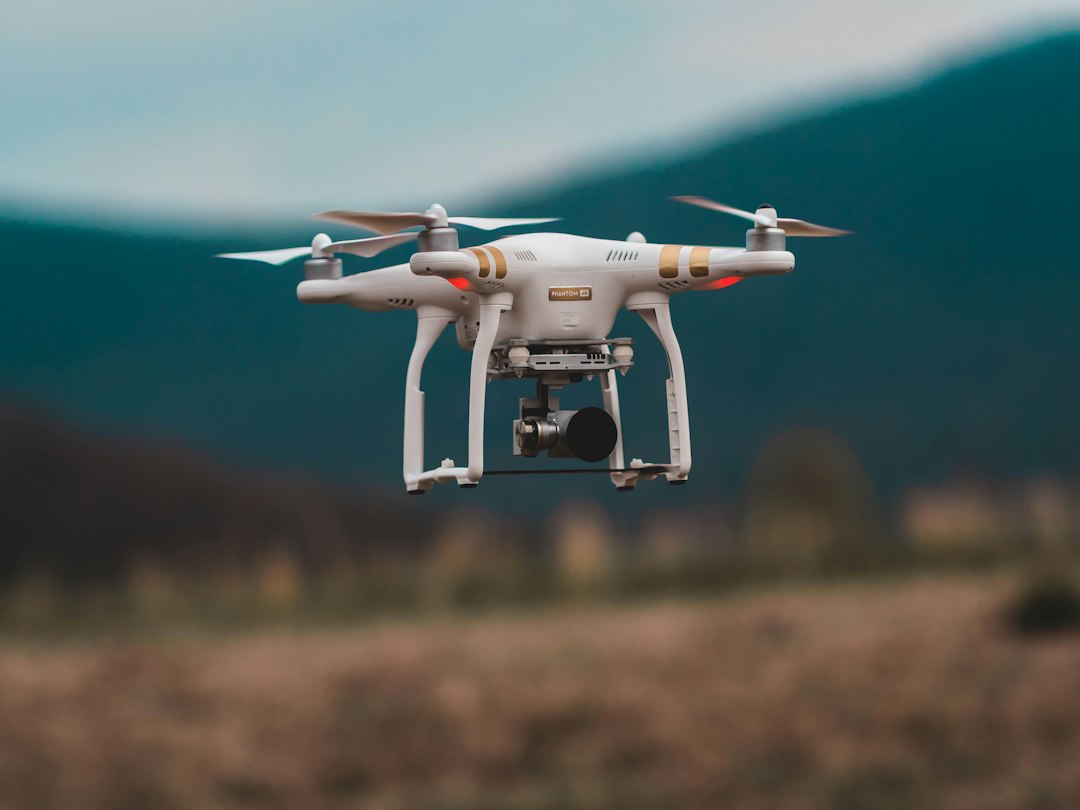
Hungary — A Hungarian startup plans to enter the US drone market, focusing on non-military uses. This move comes as demand for drone technology rises in sectors like agriculture and logistics. The startup aims to use its innovative solutions to meet the needs of American businesses.
Expanding into the US market is significant for the startup. It reflects a trend of international companies wanting to profit from the growing drone sector. This shift shows the rising interest in non-military drone applications, which can transform industries beyond defense. The global drone market is expected to reach $43 billion by 2024, according to a PwC report. The timing for this entry is ideal. The report highlights that rapid drone technology evolution creates new opportunities for startups offering unique solutions for specific market needs.
Investment Opportunities in the US Drone Sector
The US drone market is a hotspot for investment. Venture capital and private equity firms are eager to tap into drone technology’s potential. Career Ahead’s analysis shows that investors are keen on startups focusing on innovative drone applications. These include delivery services, agricultural monitoring, and infrastructure inspection. The growing reliance on drones for efficient supply chain management drives this investment surge.
With e-commerce growth, companies are increasingly using drones for last-mile delivery. This trend offers a unique chance for the Hungarian startup to provide advanced drone technology tailored for US consumers. Investors see this as a viable path for high returns, especially as demand for efficient delivery solutions rises. According to Bloomberg, the competition is intensifying. Established players like Amazon and Google are ramping up their drone initiatives. New entrants must differentiate themselves through innovation and strategic partnerships.
Career Ahead’s analysis shows that investors are keen on startups focusing on innovative drone applications.
You may also like
 Entrepreneurship & Business
Nike
Nike's recent sales slump has prompted its CEO to reconsider strategies, significantly impacting marketing and product management roles. Understanding the implications for consumer engagement and…
Read More →Moreover, the US government supports drone technology. It offers grants and funding for startups that align with national interests. This creates a favorable environment for foreign companies entering the market. Career Ahead’s research shows that startups focusing on non-military applications are more likely to receive government support. Collaborating with government agencies on projects that enhance public safety and infrastructure monitoring further attracts Hungarian startups to the US market.
However, as the startup seeks funding, it must consider the competitive landscape. Established players like Amazon and Google have already made significant investments in drone technology. To succeed, the Hungarian startup needs to stand out with unique offerings and strategic partnerships. This may involve working with local tech firms or research institutions to enhance product capabilities and market reach.
Navigating Regulatory Challenges for Drone Operations
Entering the US market brings regulatory challenges for the Hungarian startup. The Federal Aviation Administration (FAA) has strict regulations for drone operations, which differ from those in Hungary. Understanding these regulations is crucial for compliance and avoiding setbacks. The FAA’s framework ensures safety and privacy, posing challenges for newcomers unfamiliar with the US landscape.
Career Ahead’s analysis suggests that startups entering the US drone market should invest in legal expertise to navigate these regulatory waters.
One major challenge is obtaining necessary certifications for drone operations. The FAA requires operators to meet specific safety standards, which can be time-consuming and costly. Additionally, the startup must address privacy concerns that arise with drone usage. As public awareness of drone technology grows, so does scrutiny over how data collected by drones is used. This scrutiny can affect consumer trust, making it essential for the startup to implement strong data protection measures.
You may also like
 Entrepreneurship & Business
Network with 10,000+ Leaders at TechCrunch Disrupt
TechCrunch Disrupt 2026 is approaching, offering startups a unique opportunity to showcase their innovations and connect with industry leaders. With over 10,000 attendees expected, the…
Read More →Career Ahead’s analysis suggests that startups entering the US drone market should invest in legal expertise to navigate these regulatory waters. This includes understanding local laws that may impact drone operations, such as airspace restrictions and operational limits. Engaging with regulatory affairs specialists can help streamline market entry and reduce risks of non-compliance. Establishing relationships with local authorities can enhance credibility and facilitate smoother operations. By proactively addressing regulatory concerns, the startup can position itself as a responsible player in the drone industry, gaining trust from investors and consumers.
As the startup prepares for its US launch, it must monitor ongoing regulatory developments. The FAA continually updates its regulations to keep pace with the evolving drone landscape. Staying informed will be critical for the startup’s long-term success. The dynamic nature of drone regulations means adaptability will be key as the startup seeks to establish itself in the competitive US market.
The Hungarian startup’s entry into the US drone market marks a shift towards non-military applications of drone technology. This transition opens new investment avenues and highlights the need for startups to be agile and informed as they navigate international expansion. As demand for innovative drone solutions rises, the success of this venture could set a precedent for other international startups entering the US market.
They must obtain necessary FAA certifications and address privacy concerns.
Frequently Asked Questions
What are the key challenges for startup founders in drones entering the US market?
Startup founders face significant regulatory hurdles when entering the US market. They must obtain necessary FAA certifications and address privacy concerns. Additionally, they navigate a competitive landscape dominated by established players.
What investment opportunities exist for investors in aerospace with the rise of non-military drones?
Investors can capitalize on the growing demand for non-military drone applications. This includes delivery services and agricultural monitoring. The supportive regulatory environment and government funding opportunities enhance the investment landscape.

What should regulatory affairs specialists know about the US drone market expansion?
Regulatory affairs specialists should understand the FAA’s strict regulations for drone operations. This includes safety standards and airspace restrictions. Knowing these regulations is crucial for compliance and smoother market entry for startups.
You may also like
 Entrepreneurship & Business
Smart Money Strategies Shape New Investment Landscape
The ET Alpha Wealth Summit 2.0, scheduled for October 8, 2026, will explore the evolving investment landscape shaped by geopolitical tensions and market opportunities. Key…
Read More →