No products in the cart.

IIT Delhi Students Demand Independent Probe After Death
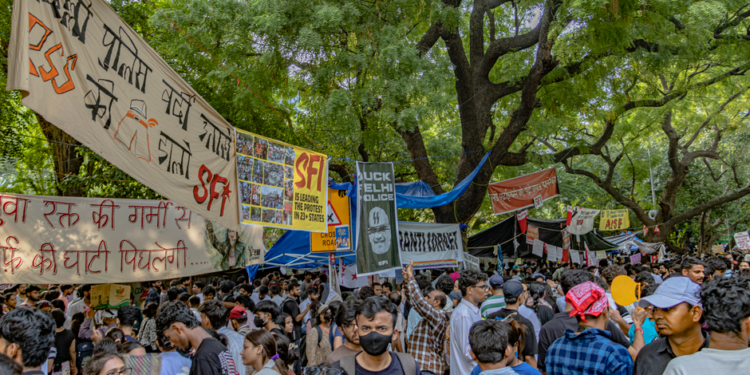
Students have expressed their frustration with the existing support mechanisms, arguing that they have failed to provide adequate help.

India — After the tragic death of Rishikesh Kumar, a 31-year-old MSc student at IIT Delhi, students are calling for major reforms. Kumar died on August 22 after falling from the sixth floor of the Lecture Hall Complex. This incident has led to protests, with students demanding an independent investigation and better mental health support on campus.
Students are frustrated with the current support systems. They argue that these systems have not provided enough help. Many believe the administration’s responses to past incidents have been inadequate, creating a cycle of inaction. Protests began soon after Kumar’s death, with students like Saksham, a second-year BTech student, voicing their demands for accountability and reform.
Students Demand Systemic Change
In the wake of Kumar’s death, IIT Delhi students want an independent inquiry into the incident. They also seek financial help for Kumar’s family and a complete overhaul of the institute’s support systems. Many students feel that past committees and administrative actions have not improved student welfare, which has increased the urgency of their protests.
Reports from News18 show that students are sharing their experiences with academic pressures. These pressures include heavy workloads, placement preparations, and internships. Such stress can worsen mental health issues, making effective support crucial. Students are advocating for a dedicated Mental Health Cell that operates independently, allowing them to seek help without fear of stigma.
Many students are disillusioned with the cycle of forming committees after tragedies. These committees often produce reports that do not lead to real change. As Saksham stated, “Every time an incident occurs, the administration claims that an investigation will be conducted, but nothing concrete changes.” This reflects a broader dissatisfaction with how mental health issues are handled in education. Students argue that current mental health resources are inadequate and often hard to access, creating a culture of silence around mental health struggles.
They believe creating an environment where students can share their experiences without judgment is vital for reform.
Furthermore, students want a cultural shift that encourages open discussions about mental health. They believe creating an environment where students can share their experiences without judgment is vital for reform. This movement is part of a growing trend among students in India, who are increasingly willing to advocate for their rights.
You may also like
 Education & University Insights
China’s Three-Tier University System Reshapes Education
China's introduction of a three-tier university system aims to align higher education with workforce needs, addressing rising youth unemployment and skills gaps. This strategic shift…
Read More →The protests at IIT Delhi are not just about Kumar’s death; they represent a broader movement for accountability in educational institutions. Students want their voices heard and their mental health prioritized, as highlighted in a report by The Times of India. Their call for an independent inquiry into Kumar’s death marks a significant shift in how young people view their role in advocating for change.
The Impact of Student Activism on Institutional Policies
The protests at IIT Delhi are part of a larger trend among students in India, who are demanding accountability from their institutions. This wave of activism is changing how educational institutions respond to student welfare and mental health issues. The students’ push for an independent inquiry into Kumar’s death highlights a crucial shift in how young people see their role in advocating for change.
Career Ahead’s analysis shows that this trend is not limited to IIT Delhi. It is becoming a significant force across various educational institutions in India. As students unite to voice their concerns, they are influencing policies and sparking discussions about mental health that were previously ignored. This collective action could lead to meaningful changes in how universities manage student welfare, potentially setting new standards for mental health support nationwide.
Moreover, the proposed external inquiry committee aims to investigate Kumar’s death. This reflects the administration’s acknowledgment of the need for transparency. However, students are cautious about the effectiveness of such measures due to a history of unfulfilled promises. They want a committee that includes independent experts, not just internal administrators.

The administration’s response to these demands will be crucial for the future of student welfare at IIT Delhi and beyond.
The ongoing protests also emphasize the importance of mental health awareness among engineering students, who often face intense academic pressures. By advocating for reforms, students hope to create an environment where mental health is prioritized and openly discussed. This could lead to a more supportive academic culture that recognizes the challenges students face. The administration’s response to these demands will be crucial for the future of student welfare at IIT Delhi and beyond.
You may also like
 Education & University Insights
Cornell’s Campus Culture Transformation
Cornell University faces scrutiny over campus safety following serious allegations, risking its appeal to prospective students and parents.
Read More →As the situation develops, it remains to be seen how IIT Delhi will respond to its students’ demands. The outcome of these protests could set a precedent for other institutions in India, influencing their approach to mental health and student welfare. Students are determined to continue their advocacy until they see real changes, knowing their fight for mental health reform is about more than just their immediate needs.
As the investigation into Kumar’s death continues, the administration must engage with students and address their concerns sincerely. If they fail to do so, it may lead to more unrest and dissatisfaction among students. The implications of this situation extend beyond IIT Delhi, potentially impacting national discussions about mental health in education.
Looking ahead, the question is: will IIT Delhi take the necessary steps to implement the reforms students are demanding? The outcome could have lasting effects on student welfare culture in India, making it a critical issue to watch in the coming months.
Frequently Asked Questions
What steps can IIT Delhi students take to advocate for change?
IIT Delhi students can organize protests, engage in dialogue with the administration, and form coalitions to amplify their voices. Collective action is key to influencing policy changes.
Students at IIT Delhi should reach out to trusted faculty, engage with student support services, and participate in advocacy groups to address their concerns effectively.
How can engineering students in India ensure their safety on campus?
Engineering students in India should advocate for better mental health resources, participate in student organizations, and communicate openly about their challenges to foster a supportive environment.

What should IIT Delhi students do if they feel unsafe in their environment?
You may also like
 Education & University Insights
CBSE Schools Implement Inclusive Education Training
This module is intended for all teaching and non-teaching staff, including teachers, school heads, support staff, and even drivers and clerical personnel.
Read More →Students at IIT Delhi should reach out to trusted faculty, engage with student support services, and participate in advocacy groups to address their concerns effectively.