No products in the cart.

India Considers Incentives for Floating Solar Panel Projects

The Indian government is exploring incentives to promote floating solar panel installations, aiming to decentralize renewable energy production and enhance grid stability.


Government Initiatives to Expand Solar Energy
The Indian government is taking significant steps to enhance its renewable energy capacity by considering incentives for floating solar panel installations. This strategy aims to decentralize energy production, which has largely been concentrated in states like Rajasthan and Gujarat. New and Renewable Energy Secretary Santosh Sarangi emphasized the need for a more equitable distribution of renewable energy resources across the country.
During the CII Annual Business Summit, Sarangi outlined that the envisioned energy transition focuses on three key aspects: affordability, availability, and sustainability. He pointed out that by 2050, India will require approximately 1,800 GW of renewable energy, along with an equivalent capacity in battery energy storage systems to ensure stability and reliability. This ambitious target is crucial for meeting the growing energy demands of the nation.
The push for floating solar panels is part of a broader initiative to explore various renewable energy solutions. Floating solar installations can be particularly beneficial as they utilize water surfaces, reducing land use conflicts and helping to minimize evaporation from water bodies, making it an environmentally friendly option for energy generation.
Enhancing Grid Stability and Reducing Energy Costs
One of the major challenges facing India’s renewable energy sector is grid stability. Sarangi highlighted the urgent need to improve grid infrastructure to support the increasing capacity of renewable energy sources. Enhanced transmission systems are essential to accommodate the diverse and decentralized nature of floating solar projects.
A robust grid will not only facilitate the smooth integration of solar energy but also ensure that electricity prices remain competitive, which is essential for attracting industrial growth and investment.
As more renewable energy is integrated into the grid, managing curtailment issues becomes vital. The government recognizes that addressing these challenges is critical for unlocking the full potential of renewable assets. A robust grid will not only facilitate the smooth integration of solar energy but also ensure that electricity prices remain competitive, which is essential for attracting industrial growth and investment.
Global Partnerships and Supply Chain Development
The call for deeper global collaboration in renewable energy supply chains is becoming increasingly relevant. Ashish Khanna, Director General of the International Solar Alliance, stressed the importance of international partnerships to build resilient supply chains. Collaborating with international private sectors will not only enhance India’s manufacturing capabilities but also position the country as a leader in renewable energy solutions.
You may also like
 Government & Policy
MSMEs Demand Action on Rising Steel and Metal Prices
Rising material costs have been a persistent issue for MSMEs, which are already grappling with higher prices for diesel, furnace oil, and LPG.
Read More →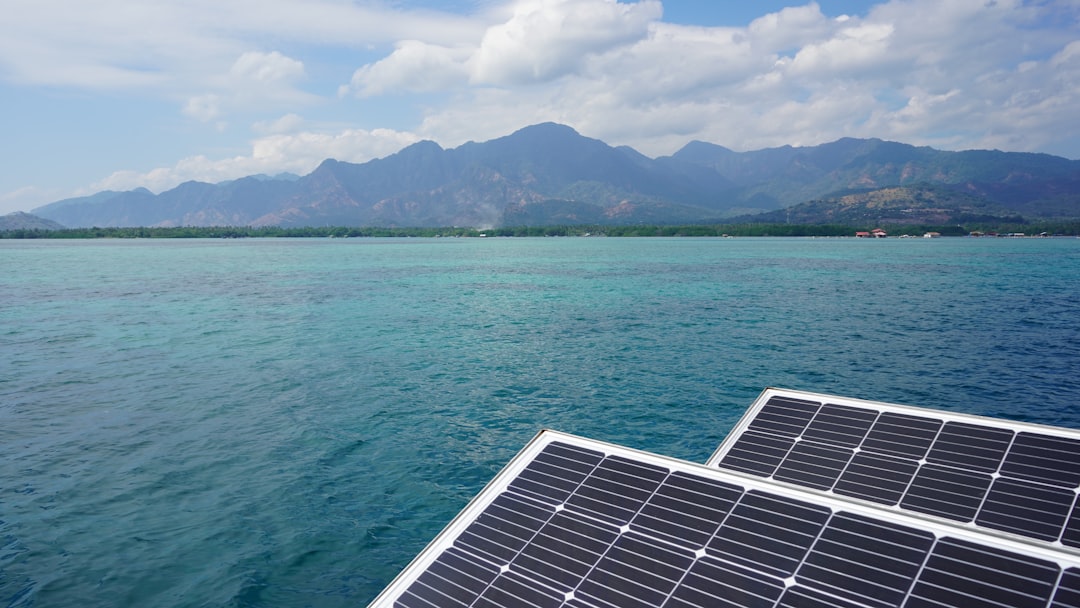
Such collaborations can lead to technological advancements and innovations in the renewable energy sector. By leveraging global expertise, India can improve its production processes and reduce costs, making renewable energy solutions more accessible. This strategy aligns with the government’s objective to promote local manufacturing while ensuring that India remains competitive in the global market.
Job Creation and Skill Development Opportunities
The government’s focus on renewable energy expansion will have significant implications for the job market. As new projects emerge, there will be a growing demand for skilled workers in various sectors, including manufacturing, installation, and maintenance of solar panels. This shift presents an opportunity for young professionals and job seekers to enter a rapidly growing industry.
Moreover, the emphasis on floating solar technology and related manufacturing processes will require specialized training programs. Educational institutions and training centers will need to adapt their curricula to prepare the workforce for these emerging roles. This could lead to a surge in vocational training programs aimed at equipping individuals with the necessary skills.
Educational institutions and training centers will need to adapt their curricula to prepare the workforce for these emerging roles.

Addressing Challenges and Ensuring Future Success
While the government’s incentives for floating solar panels present exciting opportunities, challenges remain. The successful implementation of these initiatives will depend on addressing regulatory hurdles and ensuring adequate financing for projects. Policymakers must create a supportive environment that encourages investment and innovation.
Additionally, public awareness and acceptance of floating solar technology will play a crucial role in its adoption. Educating communities about the benefits of such projects will help mitigate concerns and foster support. As floating solar technology is relatively new to many regions, outreach efforts will be essential.
You may also like
 Government & Policy
SEBI Alerts Investors on Anonymous Tips, Finfluencers
Project Jagrook aims to combat the influence of anonymous financial advisors and so-called "finfluencers," who often provide misleading advice to unsuspecting retail investors.
Read More →Ultimately, the future of India’s renewable energy sector hinges on collaboration among government, industry, and communities. By working together, they can overcome challenges and unlock the full potential of floating solar technology.