No products in the cart.

India-New Zealand FTA ratified, to come into effect on October 20

The FTA is a landmark development for Indian agricultural exporters, as it opens new markets and increases competitiveness.

India and New Zealand have ratified a Free Trade Agreement (FTA) that will start on October 20, 2026. This agreement aims to double bilateral trade to ₹35,000 crore in the next four to five years. The deal will remove tariffs on all Indian goods sent to New Zealand. It will also allow 95% of New Zealand’s exports to India to enter tariff-free or at much lower rates.
The FTA is a major step for Indian agricultural exporters. It opens new markets and boosts competitiveness. India has protected its sensitive sectors, like dairy and some agricultural products. This ensures these areas stay safe from foreign competition.
New Market Access for Indian Agricultural Products
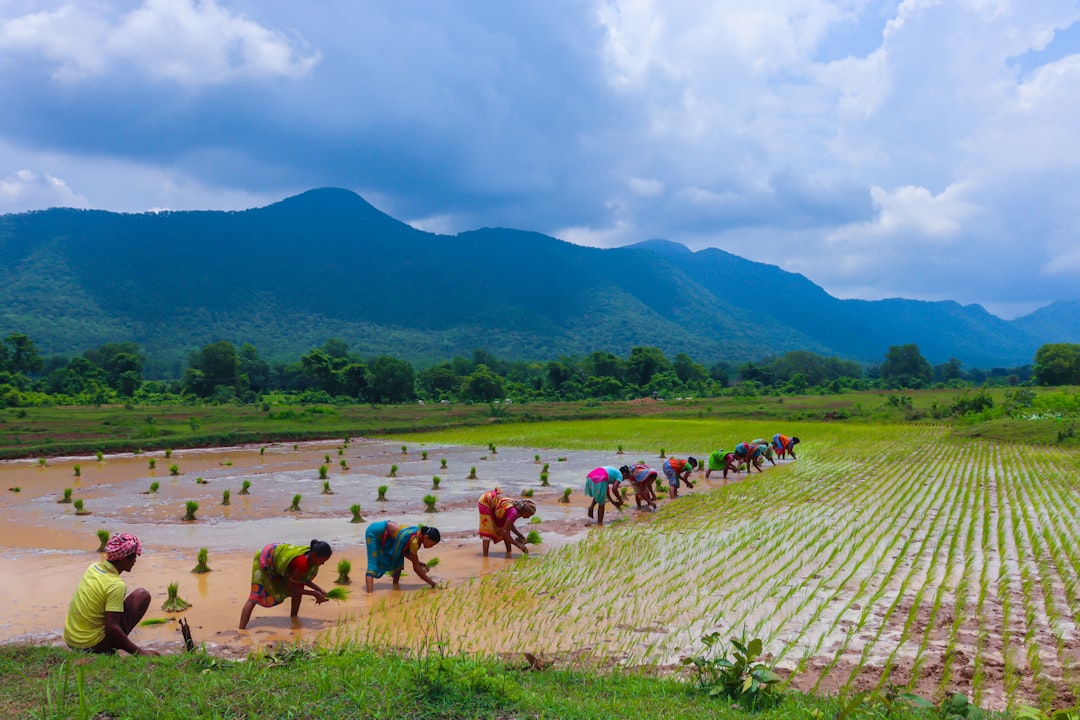
The FTA will greatly improve market access for Indian agricultural products in New Zealand. The agreement removes tariffs on all Indian goods. This is especially good for spices, fruits, and vegetables. It allows Indian farmers and exporters to meet the rising demand for organic and sustainably sourced products in New Zealand.
According to Career Ahead’s analysis, this better market access will likely increase export volumes. Indian exporters can now compete more effectively in New Zealand’s market. This market has a strong demand for high-quality agricultural products. The growth potential in this sector is significant, especially in the coming years as the agreement fully takes effect.
Additionally, the agreement makes it easier for Indian products to enter New Zealand’s retail and food service sectors. This is vital for small and medium-sized enterprises (SMEs) in India. These businesses often find it hard to navigate international markets. With lower tariffs and simpler processes, they can expand their reach and grow their market presence.
New Zealand’s focus on quality and sustainability fits well with India’s organic farming goals. Indian farmers who use sustainable practices can take advantage of this trend to access premium markets. The FTA boosts trade volumes and encourages Indian farmers to improve their farming methods. A report by NDTV states that the FTA will create a better environment for Indian exporters, helping them compete globally.
With tariffs gone and new trade rules in place, understanding the legal framework is crucial.
Given these changes, export managers in agriculture must adjust their strategies to seize these new opportunities. They need to understand New Zealand’s market preferences and regulations to succeed. The FTA also highlights the need for innovation in agricultural practices. This could change how Indian farmers approach production and marketing.
You may also like
 Industry & Global Trends
Qantas Launches New York-Sydney Flights in 2028
Qantas Airways is set to launch non-stop flights from New York to Sydney in 2028, part of its Project Sunrise initiative, which aims to enhance…
Read More →Compliance Requirements for Trade Specialists
The FTA brings new compliance requirements that trade specialists must manage. With tariffs gone and new trade rules in place, understanding the legal framework is crucial. Export managers must ensure their products meet New Zealand’s quality standards and regulations to avoid penalties and ensure smooth market entry.
Career Ahead research shows that the compliance landscape is changing. Trade specialists must stay updated on these changes. This includes knowing customs procedures, documentation needs, and product standards specific to New Zealand. Training and resources will be vital for equipping trade specialists with the knowledge to handle these compliance challenges effectively.
Furthermore, the FTA stresses the importance of transparency and cooperation between the two countries. This could lead to joint committees overseeing trade practices and compliance issues. These committees would provide a platform for dialogue and resolving disputes. Trade specialists will be key in facilitating this cooperation, ensuring both sides follow the agreed standards. A report by The Hindu highlights that the FTA aims to create a strong framework for bilateral trade that promotes mutual growth and compliance.
As trade regulations evolve, export managers must proactively seek resources and support to navigate the complexities of the FTA. This may involve working with industry associations or government agencies to learn best practices and compliance strategies.
Career Ahead analysis indicates that this investment could advance agricultural technology and practices in India.
In summary, the new compliance requirements will change how trade specialists operate. Adapting to these changes will be crucial for staying competitive in the evolving trade landscape. The FTA opens new trade opportunities and sets the stage for a more structured trading environment between India and New Zealand.
The FTA will reduce tariffs on many goods exchanged between India and New Zealand. This reduction is expected to boost trade and investment between the two countries. New Zealand has pledged $20 billion in foreign direct investment (FDI) into India, especially in sectors where it has technological advantages.
You may also like
 Industry & Global Trends
India Economic Activity Climbs in September, Survey Shows
This growth is crucial for manufacturing managers and financial analysts in India, as it presents new opportunities and challenges.
Read More →Career Ahead analysis indicates that this investment could advance agricultural technology and practices in India. New Zealand’s expertise in precision farming and sustainable agriculture could help improve productivity in Indian agriculture. This collaboration could provide Indian farmers with better tools and technologies, leading to higher yields and better quality produce.
Moreover, lower tariffs will likely reduce the cost of imported goods for Indian consumers. This will make a wider variety of products available. Increased competition in the domestic market could benefit consumers through lower prices and better quality products.
As the FTA takes effect, export managers must watch market trends and adjust their strategies. Understanding how reduced tariffs affect pricing and competition will be vital for maintaining market share in both India and New Zealand.
The potential for increased trade and investment offers significant growth opportunities for both countries. As businesses explore these new paths, the agricultural export landscape will change dramatically.
How both countries use these developments will be crucial for the future of bilateral trade.
The ratification of the India-New Zealand FTA is a key moment for agricultural trade between the two nations. With new market access, compliance requirements, and reduced tariffs, the landscape is changing fast. How both countries use these developments will be crucial for the future of bilateral trade.
Frequently Asked Questions
What new opportunities does the India-New Zealand FTA create for export managers?
The FTA opens new markets for Indian agricultural products in New Zealand, allowing tariff-free access. Export managers can benefit from the higher demand for high-quality and sustainably sourced products.
How will trade regulations change for logistics specialists after the FTA?
You may also like
 Industry & Global Trends
Xbox Job Cuts Signal Major Restructuring
Microsoft Xbox plans to cut hundreds of jobs as part of a major restructuring effort to improve profitability and streamline operations. This decision reflects broader…
Read More →Trade regulations will become more complex due to new compliance requirements. Logistics specialists will need to understand customs procedures and ensure that products meet New Zealand’s quality standards.
What should export managers do to prepare for the new FTA with New Zealand?
Export managers should learn about New Zealand’s market preferences and compliance requirements. Working with industry associations can provide valuable insights into navigating the new trade landscape.