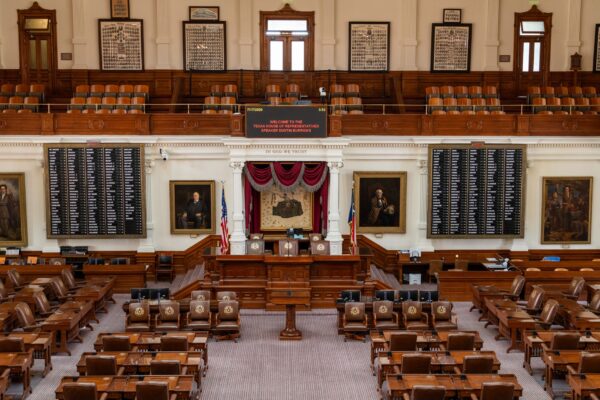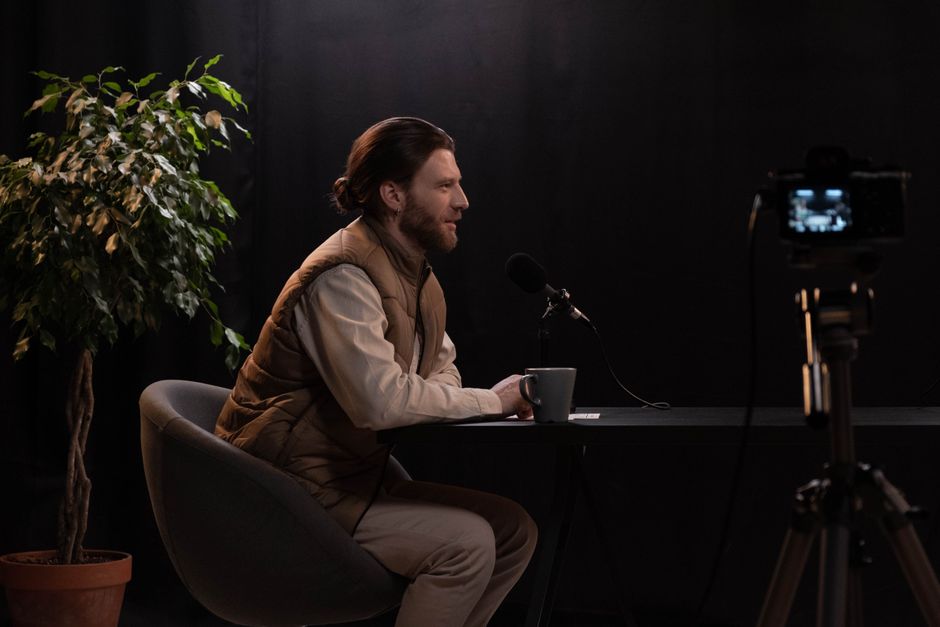
As the political landscape evolves in 2026, campaigns are increasingly turning to paid creators for content production. This shift is reshaping digital marketing strategies, allowing campaigns to produce engaging videos at a fraction of the cost of traditional advertising. The implications of this trend are significant, affecting how political messages are crafted and shared, and ultimately influencing voter engagement.
The rise of paid creators is particularly notable as the midterm elections approach. Campaigns are leveraging these creators to generate a substantial amount of content tailored to specific voter demographics. According to a recent analysis by memeorandum.com, this method not only reduces costs but also enhances the authenticity of messages aimed at potential voters.
Cost-Effective Content Creation is the New Norm
Traditionally, political campaigns relied heavily on celebrity influencers or high-budget advertisements to reach their audiences. However, the emergence of paid creators is fundamentally changing this model. These creators often possess smaller yet more engaged followings, enabling campaigns to effectively target niche audiences. A report from politicalwire.com highlights how campaigns are utilizing these creators to produce content that resonates with specific voter interests.
As political content becomes increasingly personalized, the demand for video production skills is on the rise. Campaigns are actively seeking individuals capable of crafting compelling video narratives. Research from haitianglobe.com indicates that marketers must develop expertise in video production and digital storytelling to remain competitive in this evolving landscape.
Moreover, the shift towards cost-effective content creation is not solely about financial savings; it’s also about maximizing impact. Campaigns have discovered that short, engaging videos yield higher engagement rates compared to traditional ads. This trend aligns with findings that suggest voters increasingly consume political content on platforms like TikTok and Instagram, where creators thrive.
Moreover, the shift towards cost-effective content creation is not solely about financial savings; it’s also about maximizing impact.
Consequently, the landscape of political advertising is undergoing a transformation. Campaigns that fail to adapt risk losing relevance. The focus is shifting from broad messaging to targeted, creator-driven narratives that foster deeper connections with voters.
The Impact on Traditional Advertising Methods
 Featured
Karnataka’s Sandbox Reset: Rs 570 Crore and a State as First Customer
Karnataka is amending its dormant Innovation Authority sandbox while rolling out a Rs 570.675 crore startup policy with a Rs 75 crore Beyond Bengaluru fund.
Read More →The growing reliance on paid creators is fundamentally altering traditional advertising methods in political campaigns. With the rise of social media, conventional advertising is becoming less effective. Audiences now tend to trust content from relatable creators more than polished, high-budget advertisements. This shift in trust is compelling campaigns to rethink their strategies.
Additionally, the metrics for success are evolving. Campaigns now prioritize engagement metrics such as likes, shares, and comments over mere impressions. This reflects a broader trend in digital marketing where interaction and community building are valued more than visibility. Analysis from theguardian.com indicates that campaigns focusing on creator-driven content experience a significant increase in voter interaction, which is crucial for mobilizing support.
As the 2026 elections draw near, the urgency for campaigns to innovate their strategies becomes apparent. The traditional approach is being rewritten. Those who overlook the importance of engaging with paid creators may find themselves at a disadvantage. The implications for digital marketing specialists are clear: adapting to this new reality is essential for success.
In this dynamic environment, marketers must embrace the tools and tactics that paid creators offer. By collaborating with these creators, campaigns can craft authentic narratives that resonate with their target demographics, ultimately leading to a more engaged voter base.
Analysis indicates that creators who successfully blend entertainment with political messaging will be in high demand.
Why This Matters for Political Content Creators
This shift towards paid creators presents both opportunities and challenges for political content creators. The demand for creators who produce authentic, relatable content is rising, creating more opportunities for newcomers. However, competition will also intensify as more individuals seek to capitalize on this trend.
 Government & Policy
Suffield Academy Places Its Head on Leave Amid IRS Investigation
The academy retained outside counsel to examine leadership and finances.
Read More →Analysis indicates that creators who successfully blend entertainment with political messaging will be in high demand. As campaigns strive to connect with younger voters, the ability to create engaging and informative content will be crucial. This trend underscores the importance of understanding audience preferences and leveraging data to guide content strategies.
Furthermore, the success of paid creators in political campaigns could pave the way for broader acceptance of this model in other sectors. If campaigns can demonstrate that creator-driven content yields tangible results, other industries may follow suit, further embedding this approach into digital marketing.
As we look to the future, the landscape of political content creation is likely to continue evolving. The increasing reliance on paid creators suggests a potential decline in traditional advertising methods. Political campaigns will need to remain agile, adapting their strategies to harness the unique strengths that creators provide.
Frequently Asked Questions
What are the best practices for collaborating with paid creators in political campaigns?
Successful collaboration with paid creators involves clear communication and alignment on campaign goals. Marketers should ensure that creators understand the messaging and target audience to create effective content.
Successful collaboration with paid creators involves clear communication and alignment on campaign goals.
How do I measure the effectiveness of political content created by paid influencers?
Effectiveness can be gauged through engagement metrics such as likes, shares, comments, and overall reach. Analyzing these metrics helps campaigns understand which content resonates with voters.
What skills do I need to develop to succeed in digital marketing for political campaigns?
Marketers should focus on developing skills in video production, digital storytelling, and data analysis. Understanding social media trends and audience engagement strategies is crucial for success in this changing landscape.
 Government & Policy
Canada Keeps International Student Target Through 2029
The broader temporary-resident plan includes workers, while education groups say predictable policy supports institutional planning and confidence.
Read More →Written by Career Ahead AI. AI can make mistakes, so verify key facts. Report errors to support@careeraheadonline.com.