Biometric verification will tighten security but may raise costs and delays for hopeful scholars.
The Problem
In early March, VisaHQ reported a 38% jump in forged documents submitted for Indian student visas. This prompted the Home Affairs ministry to issue an urgent Student Visa Integrity Alert, listing dozens of cases where fake transcripts and counterfeit passports slipped past manual checks. The government’s swift response is a new biometric layer for every applicant.
Context
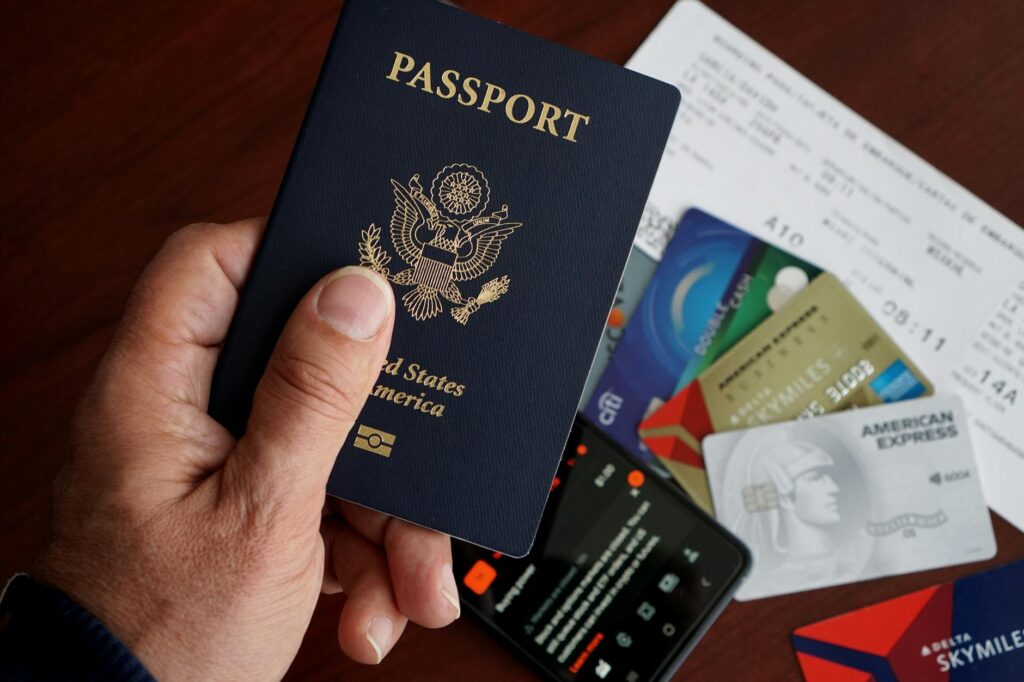
India is not the first to turn to biometrics. The United States, Canada, and the United Kingdom have rolled out facial-recognition and fingerprint scans for student visas over the past five years. A 2023 OECD report notes that biometric adoption cuts fraud by up to 62% in comparable programs. In neighboring Bangladesh, a pilot fingerprint system reduced counterfeit visas by half within six months. India’s move mirrors this global push for tighter borders and smoother digital processing.
Unchecked, bogus student visas may become a conduit for illegal work or espionage, eroding national security.
The Stakes
If fraud persists, the fallout could be severe. Unchecked, bogus student visas may become a conduit for illegal work or espionage, eroding national security. Moreover, India’s reputation as a safe, reputable study destination could suffer, deterring tuition revenue that topped $15 billion in 2024.
Concerns and Criticisms
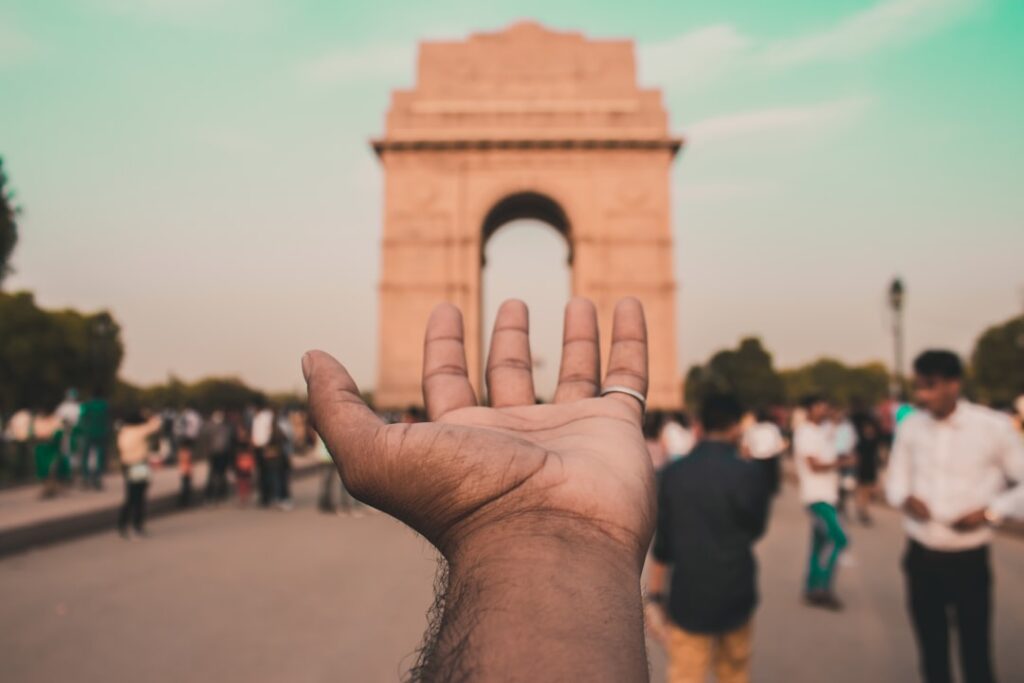
Critics warn that biometric mandates could widen barriers for genuine applicants. Privacy advocates argue that storing facial data raises surveillance concerns, especially without clear retention policies. Student groups in Delhi have staged protests, fearing that the added step will inflate application costs and cause processing backlogs.
Response
The Home Affairs ministry announced a phased rollout beginning July 2026. Applicants will submit a high-resolution selfie and fingerprint scan at designated Visa Application Centres (VACs) across the country. These biometrics will be matched against the Ministry of External Affairs’ Secure Identity Repository, which already houses passport data.
Outlook
 Entrepreneurship & Business
India’s Fast-Track GST Registration: Who Qualifies and What to Check
The simplified route targets businesses below a stated monthly output tax limit. A separate proposal outlines four tiers for GST registration.
Read More →If the biometric system functions as intended, India could reclaim confidence in its student visa program and attract more international scholars. A smoother, fraud-free process may boost enrolments at top institutions like the Indian Institutes of Technology, which reported a 12% dip in foreign admissions last year amid fraud concerns.
Written by Career Ahead AI. AI can make mistakes, so verify key facts. Report errors to support@careeraheadonline.com.