No products in the cart.

India-UK CETA Reveals Key Insights
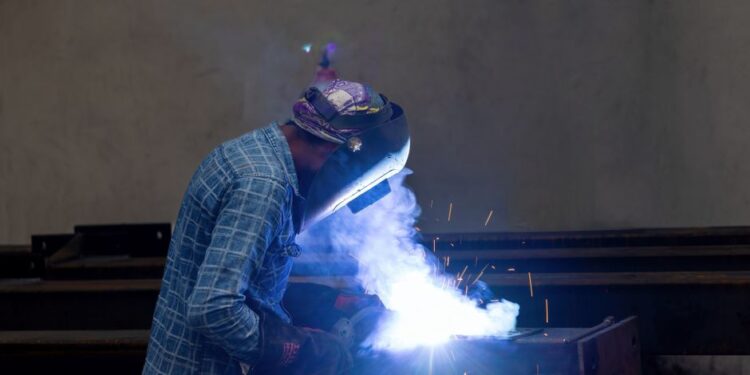
The India-UK Comprehensive Economic and Trade Agreement (CETA) will significantly enhance trade relations, particularly benefiting Indian steel exporters by reducing tariffs and improving market access.

India and the UK will strengthen their trade relationship with the India-UK Comprehensive Economic and Trade Agreement (CETA) starting on July 15, 2026. This important agreement will greatly benefit Indian steel exporters by reducing trade barriers and improving market access. The CETA aims to make it easier for goods to flow between the two countries, focusing on key sectors for both economies.
The CETA is especially beneficial for steel exports. It excludes these products from the UK’s proposed safeguard measures. As a result, about 85% of India’s steel exports will avoid extra tariffs. This will enhance the competitiveness of Indian steel in the UK market. In FY26, iron and steel exports from India to the UK were valued at around $893 million, showing the sector’s importance in bilateral trade.
Exclusion of Steel from Safeguard Measures
The exclusion of Indian steel from the UK’s safeguard measures is a major win for steel export managers. Historically, these measures have created significant barriers to international trade. They often lead to higher costs and limited market access. By removing these barriers for Indian steel, the CETA enables exporters to compete more effectively in the UK market.
This strategic decision aligns with the CETA’s broader goals to boost bilateral trade. Data shows that trade in goods between India and the UK has grown significantly in the past five years. India’s exports rose from $10.4 billion in FY22 to $13.4 billion in FY26. The exemption for steel from safeguard measures is expected to speed up this growth. The Economic Times notes that the CETA addresses key trade barriers, including the UK’s Carbon Border Adjustment Mechanism (CBAM).
Export managers should keep an eye on market trends and adjust their strategies to take advantage of this new opportunity.
Career Ahead analysis indicates that this exemption will help Indian steel exporters gain a larger share of the UK market. Demand for steel is rising in sectors like construction and infrastructure. Export managers should keep an eye on market trends and adjust their strategies to take advantage of this new opportunity. The agreement is also likely to attract more investments in the Indian steel sector, as foreign companies may want to benefit from favorable trade conditions.
You may also like
 Industry & Global Trends
AI Talent Race Between US and China Is the Next Battleground
The competition for AI talent between the US and China is growing, with significant implications for job opportunities and recruitment strategies in the field. The…
Read More →Moreover, the CETA addresses concerns about the UK’s Carbon Border Adjustment Mechanism (CBAM). This mechanism could have added costs to steel imports based on carbon emissions. By addressing these concerns, the agreement gives Indian steel exporters a clearer path to plan their operations. This is crucial as the global steel market shifts towards sustainability and the UK government focuses on reducing carbon emissions.
Impact of the Carbon Border Adjustment Mechanism
The Carbon Border Adjustment Mechanism (CBAM) is a key part of the CETA that export managers need to understand. This mechanism aims to create a level playing field for domestic industries by imposing costs on imported goods based on their carbon footprint. While the CETA eases some concerns related to CBAM for Indian steel, exporters must still consider how this mechanism might impact their operations.
Career Ahead’s analysis shows that while the CETA provides exemptions for many steel exports, exporters should remain aware of the wider implications of CBAM. As the UK continues to prioritize sustainability and lower carbon emissions, Indian exporters may need to adopt greener practices to stay competitive. The Economic Times highlights that the agreement not only facilitates trade but also encourages Indian manufacturers to innovate and invest in cleaner technologies.
Export managers should think about investing in technologies and practices that reduce the carbon footprint of their steel production. This proactive approach aligns with global sustainability trends and improves their reputation with UK consumers and regulators. As demand for sustainable products grows, demonstrating a commitment to reducing carbon emissions will be essential for maintaining market share in the UK.
Monitoring policy changes and market dynamics will be crucial for success in this new environment.

In conclusion, while the CETA offers immediate benefits, the long-term impact of the CBAM on Indian steel exports will depend on how well exporters adapt to changing standards and regulations. Monitoring policy changes and market dynamics will be crucial for success in this new environment. The CETA is expected to reshape the competitive landscape for Indian steel exporters, giving them the tools they need to thrive in a challenging global market.
You may also like
 Industry & Global Trends
Hormuz Crude Oil Exports Near Pre-War Levels
The return to pre-war export levels is crucial as it indicates a stabilization in the oil market. Producers and shipping industries have adapted by employing…
Read More →The growth in trade figures between India and the UK shows the potential unlocked by the CETA. In recent years, the trade relationship has thrived, with notable increases in both exports and imports. The agreement is expected to further boost this trend by giving Indian exporters better access to the UK market.
As mentioned earlier, India’s exports to the UK grew from $10.4 billion in FY22 to $13.4 billion in FY26, with steel exports playing a key role in this growth. The CETA’s provisions for tariff reductions across various sectors will also increase trade volumes. This will benefit not just steel exporters but also other industries. The Economic Times points out that sectors like textiles, chemicals, and auto components will also benefit from duty-free access, further diversifying the trade landscape.
Export managers should be aware of the broader implications of these trade figures. The CETA opens doors for Indian products in many sectors, including textiles, chemicals, and auto components. By diversifying their export strategies and exploring opportunities in these areas, managers can reduce risks and improve their overall business resilience.
The India-UK CETA presents a significant opportunity for export managers in the steel industry. By taking advantage of this agreement, they can navigate the changing trade landscape and position themselves for success in the UK market.
They should focus on export volumes, changes in market share, and growth in specific sectors, especially steel and related industries.
The future of India-UK trade will likely depend on how both countries adapt to the CETA terms and respond to global market trends. Export managers must stay alert and responsive to these changes to fully leverage the opportunities this agreement offers.
Frequently Asked Questions
What are the benefits of the India-UK CETA for steel export managers?
The India-UK CETA offers significant benefits for steel export managers by exempting many steel exports from the UK’s safeguard measures. This exemption improves market access and allows for more competitive pricing in the UK market.
How can trade analysts assess the impact of the CETA on bilateral trade?
You may also like
 Industry & Global Trends
Man Charged
A US national has been charged with illegally exporting Nvidia chips to China, raising significant compliance and legal concerns in the semiconductor industry.
Read More →Trade analysts can assess the CETA’s impact by examining trade data before and after the agreement’s implementation. They should focus on export volumes, changes in market share, and growth in specific sectors, especially steel and related industries.

What strategies should export managers adopt in light of the new trade agreement?
Export managers should focus on market diversification and sustainability. By exploring opportunities in various sectors and investing in greener production practices, they can improve their competitiveness in the changing trade landscape.