No products in the cart.

India’s Historical Context Amidst Modern Challenges
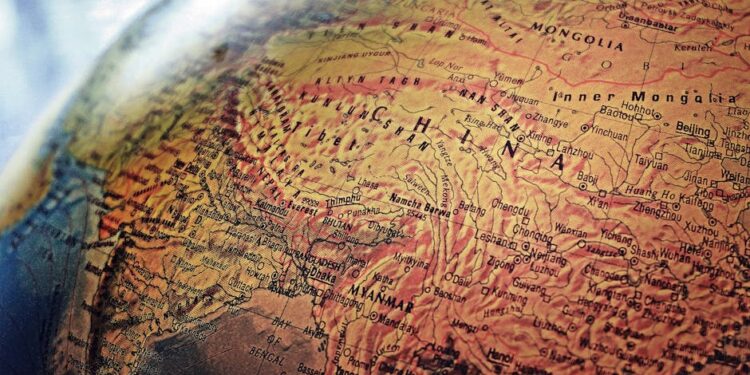
India's historical narrative reveals a complex interplay of trade, culture, and power dynamics that shape its modern identity.

India stands at a critical juncture in its history, facing profound geopolitical challenges. Recent commentary highlights how India’s past influences its present and future. As tensions rise between global powers, understanding this historical context is essential.
According to bbc.com, India has long been a crossroads of cultures and trade. This unique position has shaped its identity, but it also presents challenges as it navigates relationships with larger powers like China and the United States. The reality of modern India is intertwined with its historical narrative, which reveals a complex interplay of trade, culture, and power dynamics.
India’s Historical Legacy
India’s history is rich and multifaceted, marked by periods of both dominance and subjugation. The Chola dynasty, for instance, engaged in maritime trade and military expeditions, showcasing India’s historical prowess in regional politics. These historical invasions and trade routes established India as a significant player in the Indian Ocean, influencing cultures across Southeast Asia.
However, the narrative of India as a peaceful civilization is often oversimplified. Historical accounts, such as those discussed by taylorfrancis.com, suggest that India’s interactions with neighboring regions were not always peaceful. This complex legacy of trade and cultural exchange has left an indelible mark on India’s modern identity, shaping perceptions of its role in global affairs.
Today, India’s historical context is critical for understanding its current geopolitical stance. The country grapples with its past while striving to assert itself on the global stage. As it faces challenges from both China and the US, India’s historical narrative serves as a reminder of its potential and the obstacles it must overcome.
Geopolitical Tensions with China and the US
Geopolitical Tensions with China and the US
The current geopolitical landscape is fraught with tension, particularly between India, China, and the United States. Recent events highlight India’s precarious position as it seeks to balance its relationships with these two powerful nations. With China asserting territorial claims and the US advocating for a stronger alliance with India, the stakes are high.
You may also like
 Government & Policy
SEBI Alerts Investors on Anonymous Tips, Finfluencers
Project Jagrook aims to combat the influence of anonymous financial advisors and so-called "finfluencers," who often provide misleading advice to unsuspecting retail investors.
Read More →As noted in the commentary, India’s dependence on Chinese imports complicates its ability to confront Beijing directly. This economic interdependence raises questions about India’s sovereignty and its capacity to navigate a complex international landscape. The historical context of trade and cooperation with China adds another layer of complexity to this relationship.
Moreover, India’s response to US policies often reflects its historical ties and aspirations for global leadership. The narrative of India as a potential ‘Vishwaguru’—a leader in global affairs—clashes with the reality of its current geopolitical challenges. This tension underscores the need for India to reevaluate its strategies and alliances moving forward.
India’s Economic and Military Strength
For India to assert itself effectively on the global stage, it must strengthen its economic and military capabilities. The historical context of India’s trade relationships emphasizes the importance of economic independence. As the country seeks to enhance its manufacturing base and reduce reliance on imports, building a robust economy is essential.
Military strength is equally crucial in the face of external threats. India’s historical experiences, including past conflicts and invasions, inform its current defense strategies. The need for a well-equipped military that can respond to regional challenges is paramount, especially given the rising tensions with China.
Furthermore, fostering innovation and technological advancement will play a vital role in India’s growth. The ability to leverage its historical strengths in trade and cultural exchange can help India carve out a unique position in the global economy. By investing in research and development, India can enhance its competitiveness and resilience.
Furthermore, fostering innovation and technological advancement will play a vital role in India’s growth.
The Role of Intellectual and Cultural Exchange
India’s historical legacy of intellectual and cultural exchange provides valuable insights into its modern identity. The influence of Indian philosophy and literature on neighboring cultures is well-documented, showcasing the country’s rich heritage. This cultural capital can serve as a foundation for building stronger international relationships.
You may also like
 Government & Policy
Pentagon Halts Anthropic AI Use After Blacklisting
The Pentagon has officially ceased using Anthropic's AI tools following the company's blacklisting due to national security concerns. This decision marks a significant shift in…
Read More →As India navigates its geopolitical challenges, fostering cultural diplomacy can enhance its soft power. Engaging with other nations through cultural exchange initiatives can help reshape perceptions of India on the global stage. By promoting its diverse heritage, India can strengthen its position as a leader in global discourse.
Moreover, the historical context of India’s interactions with other cultures emphasizes the importance of collaboration. In an interconnected world, embracing partnerships and alliances can enhance India’s influence and capacity to address global challenges. By learning from its past, India can develop a more nuanced approach to international relations.

Why This Matters to You
The implications of India’s geopolitical challenges extend beyond politics. Understanding these dynamics is crucial for young professionals and entrepreneurs navigating a globalized economy. As India seeks to assert its place on the world stage, the outcomes of these geopolitical tensions will shape opportunities in various sectors.
For individuals in the workforce, being aware of these developments can inform career choices and business strategies.
For individuals in the workforce, being aware of these developments can inform career choices and business strategies. The interplay between economic growth and geopolitical stability will impact job markets and industry trends. Staying informed about India’s position in global affairs can provide valuable insights for future endeavors.
Looking Ahead: India’s Path Forward
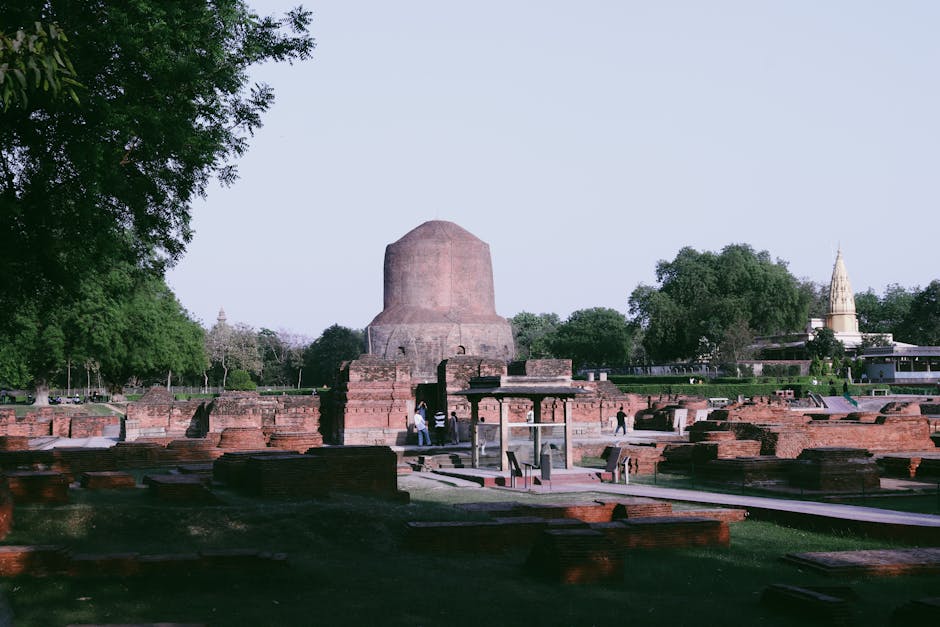
As India confronts its historical legacy and modern challenges, the path forward remains uncertain. The interplay between economic strength, military capability, and cultural diplomacy will shape its future. Will India successfully navigate these complexities to emerge as a global leader, or will it remain caught between competing powers?
You may also like
 Government & Policy
US supreme court hears big oil’s bid to block climate damage lawsuits
The US Supreme Court is hearing a pivotal case that could determine the future of climate damage lawsuits against major oil companies, including Suncor Energy…
Read More →The next few years will be critical in determining India’s trajectory. As it seeks to balance its relationships with China and the US, the choices made today will have lasting implications for its role in the world. The question remains: Can India leverage its rich history to forge a new identity as a leader in the global arena?
In this evolving landscape, India’s ability to adapt and respond to challenges will be key. The interplay of history, culture, and geopolitics will continue to shape its future, making it a nation to watch closely.