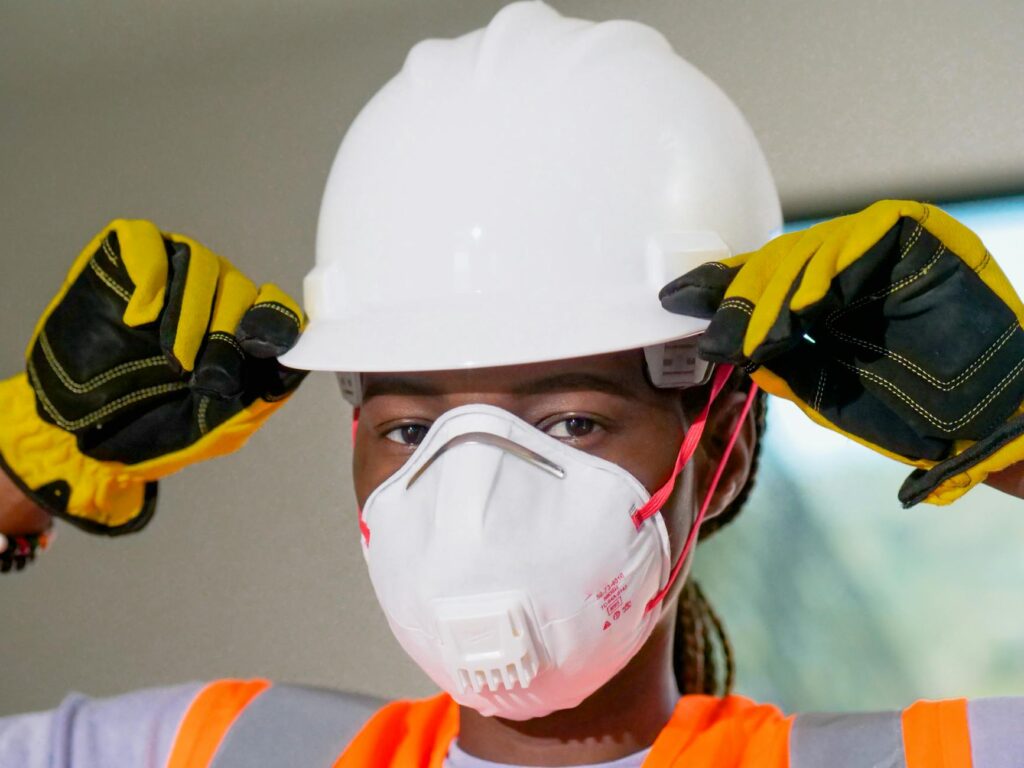
The Occupational Safety and Health (OSH) Code consolidates 13 legacy statutes into a single framework, yet its enforcement architecture exposes asymmetries that could reshape labor mobility, capital allocation, and institutional power across Indian industry.
—
The Reform Landscape: Why the OSH Code Matters for National Competitiveness
In early 2024 the Ministry of Labour and Employment enacted the OSH Code, the final piece of a four‑code overhaul that replaced 29 fragmented statutes with a streamlined legal architecture [1]. The stated objective is to raise the national injury‑free rate from the current 5.8 % of registered workers to 3 % by 2030, a target that aligns with the World Bank’s “Decent Work” agenda and the government’s “Make in India” growth narrative [2].
Beyond the headline of reduced lost‑time injuries, the code is a lever for economic mobility: safer workplaces correlate with higher labor productivity, lower turnover, and greater earnings potential for low‑skill workers [1]. institutional power also shifts, as the newly created National Occupational Safety and Health Board (NOSHB) centralizes inspection authority that previously resided with state labor departments, creating a uniform enforcement regime across 28 states and 8 union territories. The macro‑significance, therefore, lies not merely in accident statistics but in how the code reconfigures the relationship between capital owners, the state, and the workforce.
—
Core Mechanism: Consolidation, Standardization, and New Governance

1. Legal Consolidation and Risk‑Based Inspection
The OSH Code subsumes 13 statutes—including the Factories Act (1948) and the Mines Act (1952)—into a single codified set of 45 sections. It replaces prescriptive, industry‑specific safety checklists with a risk‑based matrix that grades workplaces on exposure, workforce size, and historical injury rates. According to the Ministry’s 2025 compliance dashboard, 68 % of the 12,300 inspected establishments scored “low risk,” while 12 % fell into the “high‑risk” category, triggering quarterly audits [2].
2. institutional Realignment: The NOSHB
The NOSHB, a statutory body chaired by the Union Labour Minister and staffed by representatives from the Indian Employers’ Confederation, the Indian National Trade Union Congress, and the Indian Institute of Occupational Health, wields three core powers: (a) issuance of mandatory safety standards, (b) levy of compliance penalties up to ₹5 million per violation, and (c) certification of third‑party safety auditors. In fiscal year 2025‑26 the board processed 4,850 audit requests and imposed penalties totaling ₹210 million, a 42 % increase over the previous year [2].
Worker Participation and Training Mandates Section 23 of the code obliges employers to form Safety and Health Committees (SHCs) in establishments with 20 or more employees.
3. Worker Participation and Training Mandates
Section 23 of the code obliges employers to form Safety and Health Committees (SHCs) in establishments with 20 or more employees. SHCs must conduct quarterly drills, maintain incident logs, and submit annual compliance reports to the NOSHB portal. The code also mandates a minimum of 16 hours of safety training per employee per year, with certification required for high‑hazard roles such as crane operation and chemical handling.
 Entrepreneurship & Business
India’s E-Invoice Rollout Has Passed: A Freelancer’s GST Guide
Threshold descriptions differ, and a mandated invoice needs IRP registration before a buyer can claim input tax credit.
Read More →—
Systemic Ripples: How the Code Reshapes Market Dynamics
1. Cost Asymmetry for SMEs vs. Large Enterprises
A 2025 industry survey by the Confederation of Indian Industry (CII) revealed that 71 % of small and medium‑size enterprises (SMEs) anticipate a compliance cost increase of ₹1.2 million annually, driven by infrastructure upgrades, training modules, and audit fees. In contrast, large conglomerates such as Tata Steel reported a marginal 6 % rise in operating expenses, citing existing safety infrastructure and economies of scale [1]. This cost asymmetry threatens to widen the competitive gap, potentially accelerating consolidation in sectors like textiles and metal fabrication.
2. Capital Reallocation Toward Safety Services
The code’s enforcement of third‑party auditors has spurred a 38 % year‑on‑year growth in certified safety consultancy firms, according to the Ministry’s 2025‑26 licensing data. Venture capital flows into occupational health startups have risen from ₹450 million in 2023 to ₹1.2 billion in 2025, indicating an emerging industry ecosystem that could offset some compliance burdens for employers but also re‑channel capital away from core production.
3. Labor Market Mobility and Skill Premium
Data from the National Sample Survey Office (NSSO) 2025 edition show that workers who completed the mandatory 16‑hour training program earned, on average, 4.3 % higher wages than untrained peers in the same occupation. Moreover, the presence of a functional SHC increased the likelihood of promotion by 12 % within two years, suggesting that the code may serve as a conduit for upward mobility for low‑skill labor, provided employers institutionalize the participation mechanisms.
4. Historical Parallel: The Factories Act Transition
The 1948 Factories Act introduced basic safety provisions but suffered from fragmented enforcement across states, leading to a persistent accident rate of roughly 6 % for three decades [1]. The OSH Code’s centralized board mirrors the post‑1990s reforms of the Securities and Exchange Board of India (SEBI), where a single regulator replaced multiple provincial bodies, resulting in a measurable reduction in market fraud. The parallel underscores that institutional centralization can translate into systemic compliance gains, albeit contingent on capacity and political will.
—
Workers in High‑Hazard Sectors Construction, mining, and chemical processing account for 57 % of the nation’s fatal occupational injuries, according to the National Crime Records Bureau (NCRB) 2024 report.
Human Capital Impact: Winners, Losers, and the Emerging Power Balance
1. Workers in High‑Hazard Sectors
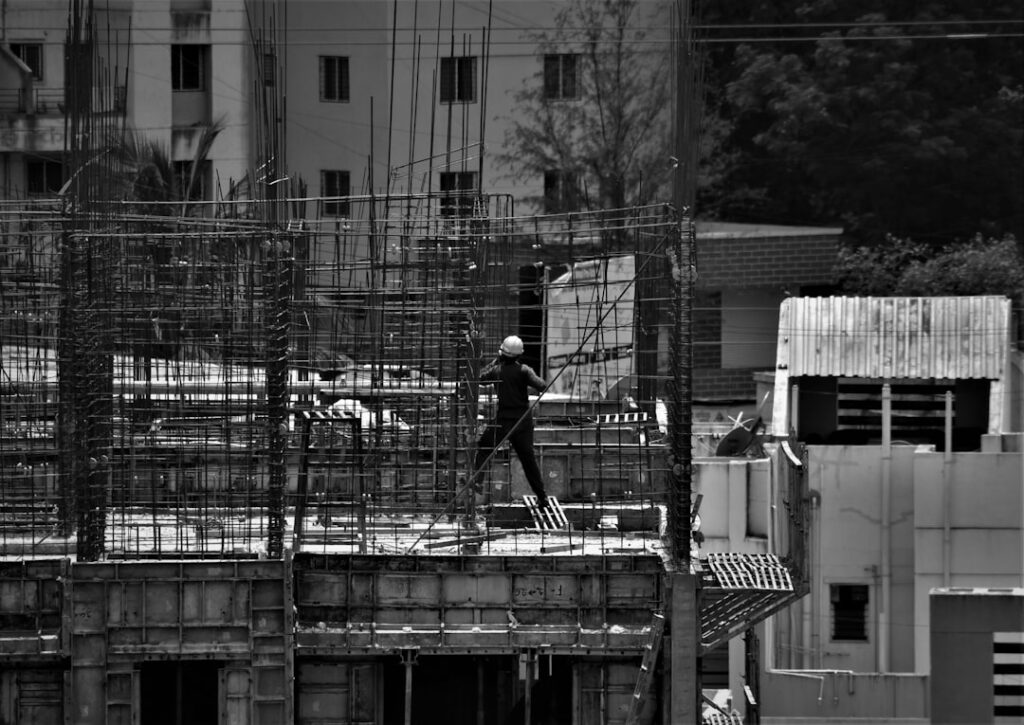
Construction, mining, and chemical processing account for 57 % of the nation’s fatal occupational injuries, according to the National Crime Records Bureau (NCRB) 2024 report. Early compliance pilots in Karnataka’s mining clusters, where the NOSHB conducted weekly inspections, reduced fatality rates by 23 % within twelve months [2]. For workers, this translates into a tangible reduction in income volatility and a higher probability of sustained employment.
2. SMEs Facing Viability Risks
 Government & Policy
How to Prepare for Campus Placements in India
Aptitude rounds, company-specific interviews and one-offer policies shape a practical preparation order for students seeking campus internships or jobs.
Read More →SMEs lacking in‑house safety expertise confront a “compliance cliff.” A case study of a 45‑employee textile unit in Gujarat showed that failure to secure an audit within the mandated 90‑day window resulted in a ₹3 million penalty, forcing the firm into temporary shutdown and laying off 30 % of its workforce [1]. The structural implication is a potential rise in informal employment as firms retreat to unregulated subcontracting to evade oversight.
3. Large Corporations Leveraging Compliance as Competitive Differentiator
Multinationals such as Hindustan Unilever have integrated OSH compliance into their ESG reporting, attracting sustainability‑focused investors. Their 2025 sustainability report cites a 15 % decline in lost‑time injuries and a 9 % improvement in employee retention, positioning safety performance as a marketable asset. This creates a feedback loop where capital allocates preferentially to firms with demonstrable safety records, reinforcing the power of institutional compliance.
4. Trade Unions and Collective Bargaining
The code’s formalized SHC structure empowers unions to participate directly in safety governance. In Maharashtra’s automotive sector, union‑led SHCs negotiated the adoption of real‑time gas monitoring, cutting exposure incidents by 31 % in 2025 [2]. This shift rebalances institutional power, granting workers a structural foothold in operational decision‑making.
—
Outlook: Trajectory Over the Next Three to Five Years
Regulatory Maturation (2026‑2028). The NOSHB is slated to roll out a digital compliance dashboard by Q3 2026, integrating IoT sensor data from high‑risk plants. This will enable predictive inspections, potentially lowering the average audit cycle from 180 days to 90 days for high‑risk establishments.
Institutional reforms that embed independent audit panels and transparent penalty disclosures will be critical to sustaining the code’s legitimacy.
Capital Realignment (2027‑2029). As safety‑service firms mature, we anticipate a consolidation of the advisory market, with the top five firms capturing 62 % of the ₹4 billion annual safety‑consultancy spend. Venture capital may pivot toward AI‑driven risk analytics, further embedding technology into compliance.
Labor Market Reconfiguration (2028‑2030). If the 2025‑2030 injury‑free target is met, the NSSO projects a cumulative gain of ₹1.8 trillion in GDP attributable to higher labor productivity and reduced medical expenditures. However, the risk of an SME compliance gap persists; targeted fiscal incentives—such as a 30 % tax credit for safety capital investments—could mitigate attrition and preserve informal sector employment.
Institutional Power Shift. The centralization of enforcement is likely to diminish state‑level regulatory capture, but it also concentrates decision‑making within the NOSHB, raising questions about accountability and representation. Institutional reforms that embed independent audit panels and transparent penalty disclosures will be critical to sustaining the code’s legitimacy.
 Government & Policy
Rubio Urges More US-India Energy Trade and Venezuelan Crude Refining
Rubio discussed refining Venezuelan crude with Indian companies and described India as a “refining superpower”.
Read More →—
Key Structural Insights
- The OSH Code’s risk‑based matrix converts fragmented safety statutes into a single compliance engine, aligning employer incentives with national productivity goals.
- Cost asymmetry between large firms and SMEs creates a structural pressure that may accelerate industry consolidation and shift capital toward safety‑service ecosystems.
- Effective SHC participation embeds worker agency in safety governance, reshaping institutional power and potentially unlocking upward mobility for low‑skill labor.
Written by Career Ahead AI. AI can make mistakes, so verify key facts. Report errors to support@careeraheadonline.com.