No products in the cart.

India's Weakest Monsoon Since 2015 Hits Farmers, Drags on Economy
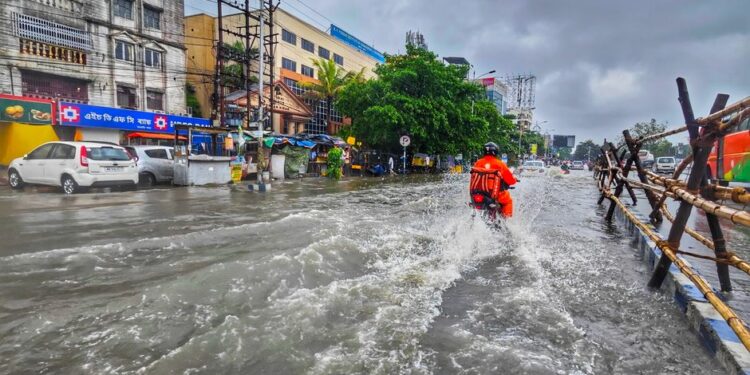
The India Meteorological Department (IMD) confirmed that the rainfall deficit is the worst since 2015, exacerbated by the El Niño weather pattern which has disrupted normal precipitation patterns.

India is experiencing its weakest monsoon in over a decade, with rainfall recorded at 12.6% below average during the June-September season. This significant deficit has raised alarms among agricultural economists and farmers alike, as it threatens crop yields and the overall economic stability of rural areas. The impact is profound, particularly for the millions of farmers who rely heavily on timely monsoon rains for their livelihoods.
The India Meteorological Department (IMD) confirmed that the rainfall deficit is the worst since 2015, exacerbated by the El Niño weather pattern which has disrupted normal precipitation patterns. This situation is not just a meteorological anomaly; it has serious implications for food production and economic health across the country. According to a report by the Financial Express, the monsoon’s failure is expected to have a cascading effect on food prices, which could rise sharply as supply dwindles.
Impact on Crop Yields and Rural Economies
The weak monsoon has led to a drastic reduction in crop yields, particularly for staple crops like rice, pulses, and oilseeds. Career Ahead’s analysis of data from the IMD shows that states such as Punjab and Haryana, which are key agricultural regions, have reported significant declines in production. Farmers in these areas are now facing the prospect of lower incomes and increased debt as they struggle to cope with the consequences of inadequate rainfall. The Times of India reported that the rice production in Punjab alone could see a decrease of up to 20%, which poses a serious threat to food security in the region.
Career Ahead’s analysis of data from the IMD shows that states such as Punjab and Haryana, which are key agricultural regions, have reported significant declines in production.
You may also like
 News
NewsAnup Bagchi Takes Charge as HDFC Bank MD & CEO
Anup Bagchi, with over three decades in financial services, is set to lead HDFC Bank starting October 27, 2026, following the retirement of Sashidhar Jagdishan.
Read More →According to research from the Financial Express, the deficit in rainfall has resulted in a 13% drop in expected agricultural output, which could lead to food shortages and increased prices in the market. This scenario poses a dual threat: not only does it affect farmers directly, but it also impacts consumers who may face higher food prices. The ripple effects of this agricultural downturn could lead to increased inflation, further straining household budgets in rural areas. The economic implications extend beyond the fields. Rural employment, which is largely dependent on agriculture, is also at risk. With lower yields, many farmers may be forced to reduce their labor force or delay hiring seasonal workers. This not only affects the immediate income of agricultural workers but also reduces overall economic activity in rural communities, leading to a cycle of poverty that is hard to break.
Career Ahead research identifies that the agricultural sector’s struggles during the monsoon season are often mirrored by broader economic challenges. When farmers face difficulties, the entire rural economy suffers, leading to reduced spending on local businesses and services. This interconnectedness highlights the need for robust agricultural policies that can support farmers during such critical periods. The Telegraph India noted that the monsoon deficit could lead to a significant increase in rural distress, as farmers are unable to meet their financial obligations, which could further exacerbate the economic downturn in these regions.
Additionally, the agricultural sector’s vulnerability to climate change is becoming increasingly evident. The IMD has warned that erratic weather patterns are likely to become more frequent, making it essential for farmers to adapt to these changes. The current crisis serves as a stark reminder of the need for sustainable agricultural practices and investment in resilient farming techniques. Without such measures, the future of India’s agricultural sector remains precarious.
Government Response and Policy Implications
In response to the ongoing crisis, the Indian government is under pressure to implement policies that can mitigate the impact of the weak monsoon. Various measures, including financial aid and crop insurance schemes, have been discussed as potential solutions to support affected farmers. The government has previously established programs aimed at providing relief during drought conditions, but the effectiveness of these initiatives is now being scrutinized. According to a report by CNBC TV18, the government is considering expanding its insurance coverage for farmers, which could provide a safety net against unpredictable weather patterns. However, the challenge remains in ensuring that these policies reach the farmers who need them most. Many smallholder farmers often lack access to formal banking systems, making it difficult for them to benefit from such schemes.
You may also like
 News
NewsFood Prices Surge Amid Heatwaves and El Niño Impact
World food prices surged in September 2026, reaching their highest level in nearly four years due to extreme weather conditions and rising agricultural input costs.…
Read More →Moreover, there is a growing call for the government to invest in long-term solutions such as irrigation infrastructure and drought-resistant crop varieties. These measures could help farmers adapt to changing climate conditions and reduce their reliance on monsoon rains. The urgency for such investments is underscored by the current crisis, which serves as a wake-up call for policymakers. As agricultural economists emphasize, the need for adaptive farming techniques is more pressing than ever. Career Ahead’s analysis suggests that without significant policy changes, the agricultural sector may continue to face similar challenges in the future, particularly as climate change effects become more pronounced.
The weak monsoon of 2026 is not just a short-term setback; it represents a critical juncture for India’s agricultural policies and rural economy. The decisions made now will have lasting implications for food security and economic stability in the years to come. As the situation unfolds, stakeholders must remain vigilant and proactive. The potential for future monsoon deficits looms large, and without adequate preparation, the agricultural sector could find itself in a precarious position once again. The government’s response will be crucial in determining whether farmers can weather this storm and emerge resilient in the face of ongoing climatic challenges.
Career Ahead’s analysis suggests that without significant policy changes, the agricultural sector may continue to face similar challenges in the future, particularly as climate change effects become more pronounced.
Frequently Asked Questions
What crops are most affected by the weak monsoon in India?
The weak monsoon has particularly impacted staple crops such as rice, pulses, and oilseeds. Farmers in key agricultural states are reporting significant declines in production due to the rainfall deficit.
How can farmers mitigate the impact of poor rainfall?
Farmers can adopt adaptive farming techniques, such as using drought-resistant crop varieties and improving irrigation infrastructure. Additionally, accessing government support programs can provide financial relief during challenging weather conditions.

What government support is available for farmers facing drought conditions?
The Indian government has established various financial aid and crop insurance schemes aimed at supporting farmers during drought conditions. However, the effectiveness of these programs often depends on reaching smallholder farmers who may lack access to formal banking systems.
You may also like
 News
NewsTokyo Inflation Surge Signals BOJ’s Monetary Policy Shift
Inflation in Tokyo has surged to 3.4%, prompting the Bank of Japan to reassess its monetary policy. This article explores the implications for economic growth,…
Read More →