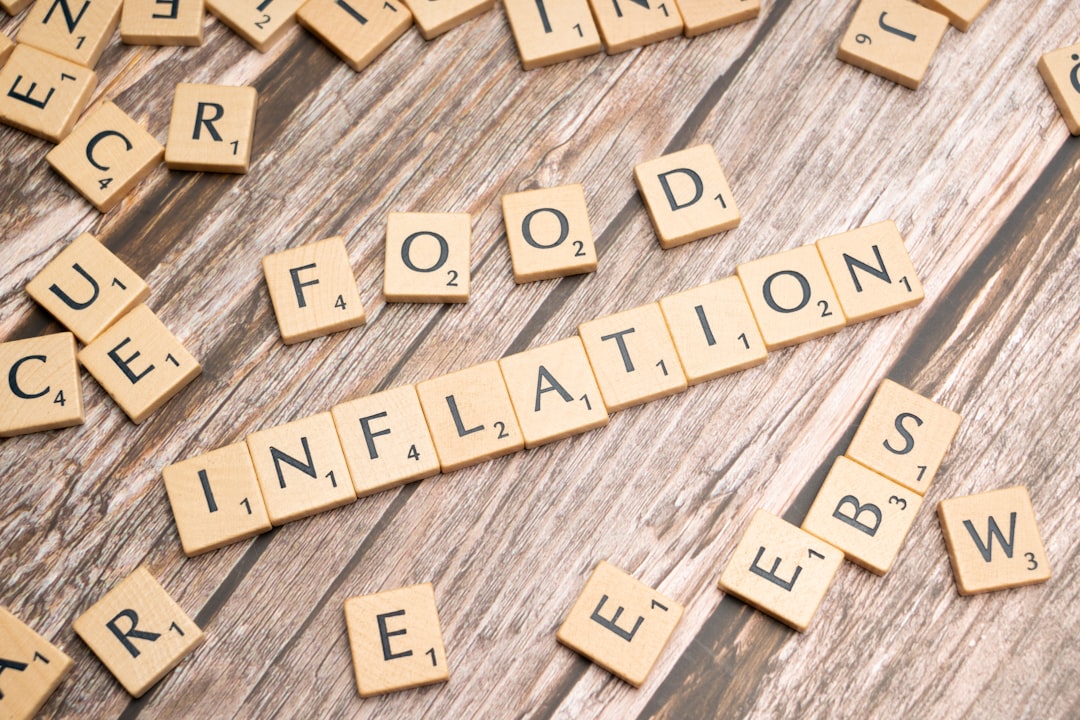
UK inflation remained steady at 2.8% in May 2026, as food price increases slowed to a 17-month low, presenting new challenges and opportunities for retailers and consumers alike.
UK inflation remained steady at 2.8% in May 2026, as food price increases slowed to a 17-month low. This unexpected stability in inflation rates comes at a time when many analysts had anticipated a rise due to ongoing geopolitical tensions. The Office for National Statistics (ONS) reported that while transport costs surged, food inflation fell significantly, presenting a unique landscape for food industry economists and retail price analysts.
The ONS noted that food inflation decreased from 3% in April to 2.2% in May, marking the slowest rate since December 2024. Key items such as meat, dairy, and vegetables saw a reduction in price increases, with beef and veal rising only 9.4% compared to much higher rates earlier in the year. This trend indicates a shift in the pricing dynamics within the food sector, which could influence strategic decisions for retailers and suppliers alike. According to Bloomberg, the stability in inflation rates is particularly notable given the pressures from rising energy costs and supply chain disruptions that have characterized the market in recent months.
Impact of Steady Inflation on Food Pricing Strategies
The steady inflation rate presents both challenges and opportunities for food retailers. With food prices stabilizing, analysts must reconsider their pricing strategies to remain competitive while managing profit margins. Career Ahead’s analysis finds that the current environment allows retailers to adopt more flexible pricing models, potentially leading to short-term promotions or loyalty discounts to attract consumers. The British Retail Consortium (BRC) has emphasized that the competitive nature of the supermarket sector is likely to intensify as retailers strive to maintain market share amid these shifting consumer preferences.
Retail price analysts should monitor consumer behavior closely. As food prices stabilize, consumers may shift their purchasing habits, opting for bulk buys or switching to private label brands. This behavioral change can impact sales forecasts and inventory management. The BRC highlighted that the competitive nature of the supermarket sector is likely to intensify as retailers strive to maintain market share amid these shifting consumer preferences. Furthermore, the easing of food inflation could lead retailers to reconsider their long-term pricing strategies. Analysts may find that maintaining lower prices could enhance customer loyalty, while also preparing for potential future price increases due to external factors like energy costs or supply chain disruptions. The Food and Drink Federation cautioned that prices might not reflect all inflationary pressures immediately, suggesting that retailers should be strategic in their pricing approaches to balance consumer expectations with operational costs.
Career Ahead’s analysis finds that the current environment allows retailers to adopt more flexible pricing models, potentially leading to short-term promotions or loyalty discounts to attract consumers.
The implications of this hiring slowdown are profound. With fewer positions available, job seekers face increased competition for roles, while HR managers must rethink their…
As food prices stabilize, retailers may also explore innovative pricing strategies, such as dynamic pricing models that adjust according to real-time market data. This approach can help retailers respond quickly to changes in consumer demand or competitor pricing, ensuring they remain agile in a fluctuating market. The implications of steady inflation are profound, as they could reshape the competitive landscape of the food retail sector. Retailers may also need to invest in technology that enables better data analytics to forecast trends and consumer behavior more accurately, thus enhancing their pricing strategies.
Consumer Behavior in Response to Food Price Changes
Consumer behavior will be a critical factor in how food retailers navigate the current inflation landscape. As prices stabilize, consumers may exhibit varying responses, from increased brand loyalty to a heightened sensitivity to price changes. Career Ahead’s research identifies that consumers are likely to become more price-conscious, seeking value in their purchases as inflationary pressures ease. Additionally, the demographic shifts in consumer preferences are noteworthy. Younger consumers, particularly those aged 16-35, are increasingly influenced by social media and online reviews when making purchasing decisions. This shift means that retailers must not only focus on competitive pricing but also on brand perception and customer engagement strategies. Retailers that effectively communicate their value propositions and engage with consumers through digital channels are likely to fare better in this environment.
The BRC’s findings suggest that as food inflation eases, consumers may become more willing to experiment with new products or brands, especially if they perceive them as offering better value. This trend presents an opportunity for retailers to introduce new items and capitalize on changing consumer preferences. However, they must also be cautious, as any sudden price increases could lead to backlash from price-sensitive shoppers. Understanding the psychological aspects of consumer behavior during inflationary periods can also provide insights for retailers. Many consumers associate price stability with economic confidence, which can enhance their willingness to spend. Retailers should consider leveraging marketing strategies that emphasize price stability and value to attract and retain customers during this period.
Ultimately, the interplay between steady inflation and consumer behavior will dictate how retailers adjust their strategies moving forward. Retailers that anticipate these changes and adapt accordingly will be better positioned to thrive in this evolving market. The recent report by The Guardian highlights that the current economic climate, characterized by steady inflation, could lead to a more cautious consumer base, prompting retailers to refine their offerings and pricing strategies to meet these new expectations.
As the economic landscape evolves, one question remains: how will retailers adapt their strategies in response to the potential for rising costs, and what impact will this have on consumer purchasing behavior in the coming months?
Triyoga, once a favorite among celebrities and fitness enthusiasts, faced significant financial challenges leading to its downfall. Instructors reported that they had not received their…
This trend presents an opportunity for retailers to introduce new items and capitalize on changing consumer preferences.
Frequently Asked Questions
How can food industry economists adapt to changing inflation rates?
Food industry economists can adapt to changing inflation rates by closely monitoring price trends and consumer behavior. This allows them to forecast market changes and adjust pricing strategies effectively.
What strategies should retail price analysts consider in a steady inflation environment?
Retail price analysts should consider flexible pricing models and promotions to attract consumers. They should also analyze consumer behavior trends to anticipate shifts in purchasing habits.
How should food retailers adjust their pricing in response to inflation trends?
Food retailers should adopt dynamic pricing strategies that respond to real-time market data. This approach can help them remain competitive while managing profit margins effectively.



 Industry & Global Trends
Industry & Global Trends