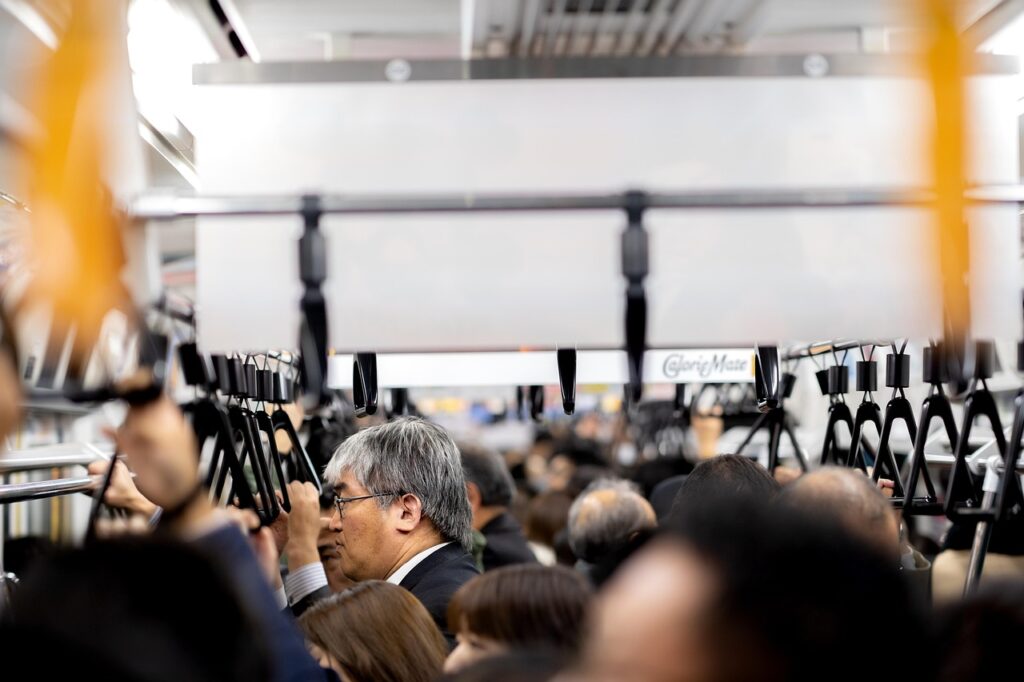
innovation is reshaping public transit in the U.S., and a group of MIT alumni is at the forefront of this transformation. The Massachusetts Bay Transportation Authority (MBTA), which serves Greater Boston, is undergoing significant changes to improve service and efficiency. This evolution matters now more than ever as cities globally seek to modernize their transit systems amidst growing urban populations and increased demand for reliable public transportation.
At the helm of this change are key figures like Katie Choe, Melissa Dullea, and Karti Subramanian. Their leadership is not only enhancing the operational efficiency of the MBTA but also fostering a culture of innovation that aligns with modern expectations. This shift is crucial for cities aiming to provide effective public transportation solutions while managing aging infrastructure and limited budgets.
Choe, who recently transitioned from the MBTA to become the CEO of Virginia Railway Express, emphasized the importance of a proactive approach to problem-solving. Under her guidance, the MBTA has adopted a more agile mindset, focusing on delivering results rather than getting bogged down in lengthy planning processes. This shift is vital in a system where public resources are often constrained, making efficiency a core priority.
How MIT Alumni Are Driving Change at MBTA
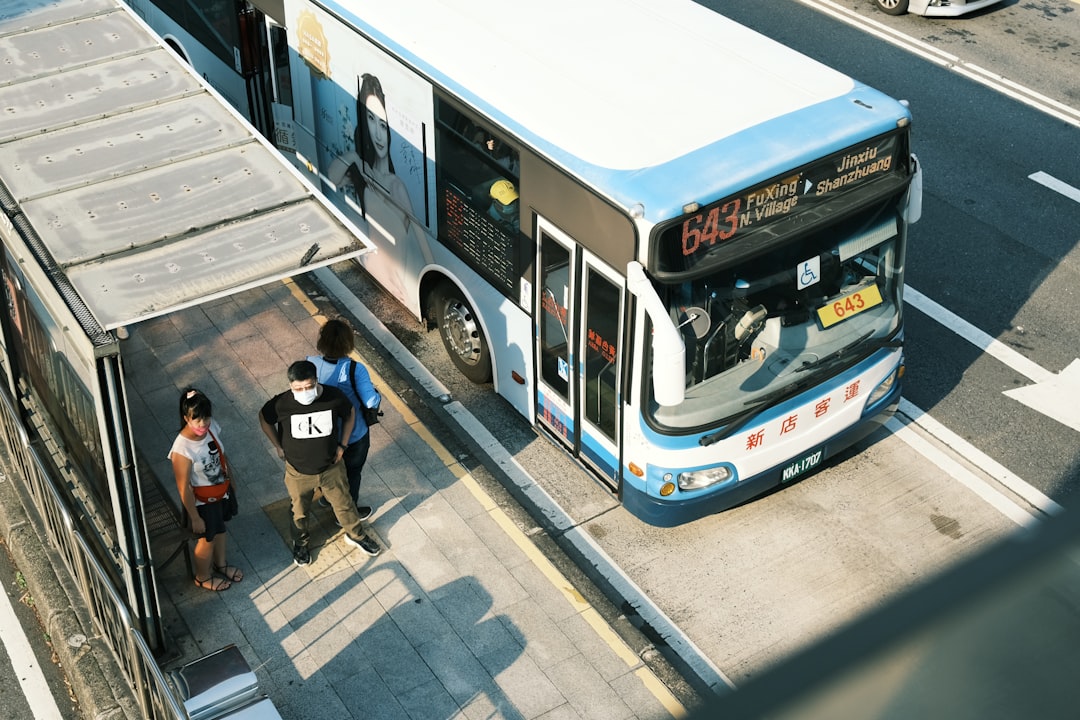
The MBTA’s transformation is rooted in innovative practices introduced by its leadership. Melissa Dullea, the senior director of service planning, leads a team that has redefined how routes are planned and scheduled. By utilizing data analytics, including anonymized cell-phone data, her team has mapped travel patterns to create a bus network that reflects current demand. This data-driven approach resulted in nearly doubling the number of bus routes with frequent service, significantly improving access for riders.
How MIT Alumni Are Driving Change at MBTA The MBTA’s transformation is rooted in innovative practices introduced by its leadership.
Karti Subramanian, the senior director of rider tools, has been instrumental in enhancing the digital experience for riders. His team manages the MBTA’s digital ecosystem, including the MBTA Go app, which provides real-time information to passengers. This focus on technology not only enhances user experience but also streamlines operations, making the agency more responsive to rider needs.
 Entrepreneurship & Business
Google Alumni Fund $11.3M for Profitable AI Startups
BAG Ventures, founded by former Google executives, has closed an $11.3 million fund aimed at early-stage AI startups that demonstrate clear value to enterprises. The…
Read More →These innovations come at a crucial time. The pandemic exposed vulnerabilities in public transit systems, including staffing shortages and service reliability issues. The MBTA has responded by rethinking its hiring practices and improving working conditions for operators, which is essential for retaining talent in a competitive job market. Dullea noted that creating a better work environment for bus operators is fundamental to ensuring consistent service for the public.
Positioning Yourself for Opportunities in Transit Innovation
As the MBTA continues to evolve, there are several actionable steps you can take if you’re interested in a career in public transit or related fields:
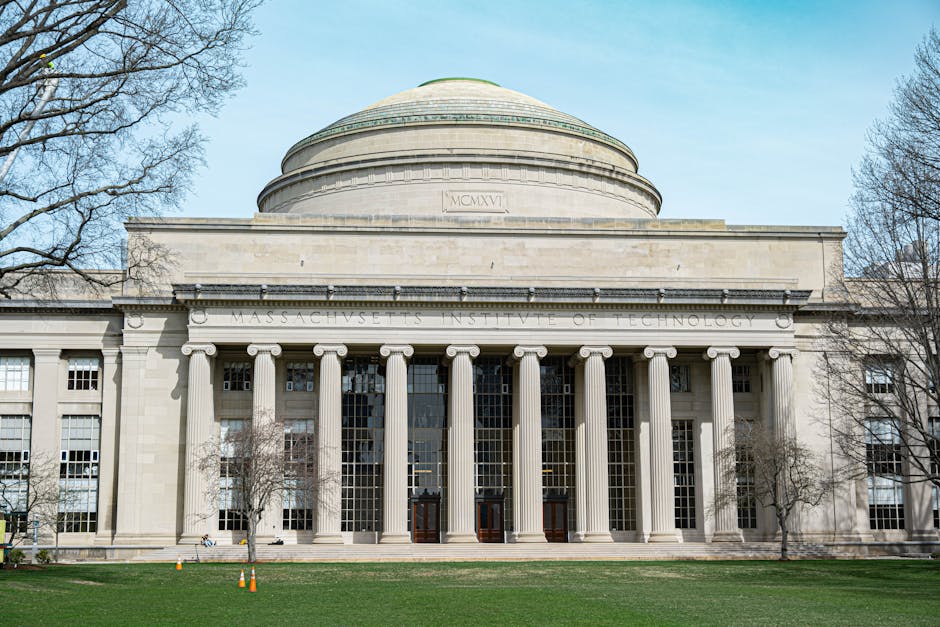
- Explore educational opportunities: Consider programs that focus on urban planning, transportation engineering, or public administration. Institutions like MIT offer courses that can provide a solid foundation in these areas.
- Join professional networks: Engage with organizations such as the American Public Transportation Association (APTA) or local transit advocacy groups. Networking can open doors to job opportunities and mentorship.
- Stay informed on industry trends: Follow developments in public transit innovation and technology. Websites like Transport Topics and industry newsletters can keep you updated on the latest advancements.
- Gain practical experience: Look for internships or volunteer opportunities with transit agencies. Hands-on experience can be invaluable in understanding the complexities of public transportation systems.
However, experts warn that such rapid innovation may not be sustainable long-term. The focus on immediate results can sometimes overshadow the need for comprehensive planning and community engagement. Critics argue that without a balanced approach, the MBTA risks alienating certain rider demographics that rely on public transit the most.
Join professional networks: Engage with organizations such as the American Public Transportation Association (APTA) or local transit advocacy groups.
The Future of Public Transit in the U.S.
The trajectory of public transit in the U.S. is poised for further transformation. With ongoing advancements in technology and a growing emphasis on sustainability, agencies like the MBTA will need to adapt continuously. The integration of electric buses, improved data analytics, and enhanced rider engagement tools are just a few areas where innovation will play a critical role.
As cities grapple with the challenges of urbanization and climate change, the lessons learned from the MBTA’s transformation can serve as a blueprint for other transit agencies. How will future leaders in public transit harness innovation to create more resilient, efficient, and equitable systems for all riders?
Written by Career Ahead AI. AI can make mistakes, so verify key facts. Report errors to support@careeraheadonline.com.