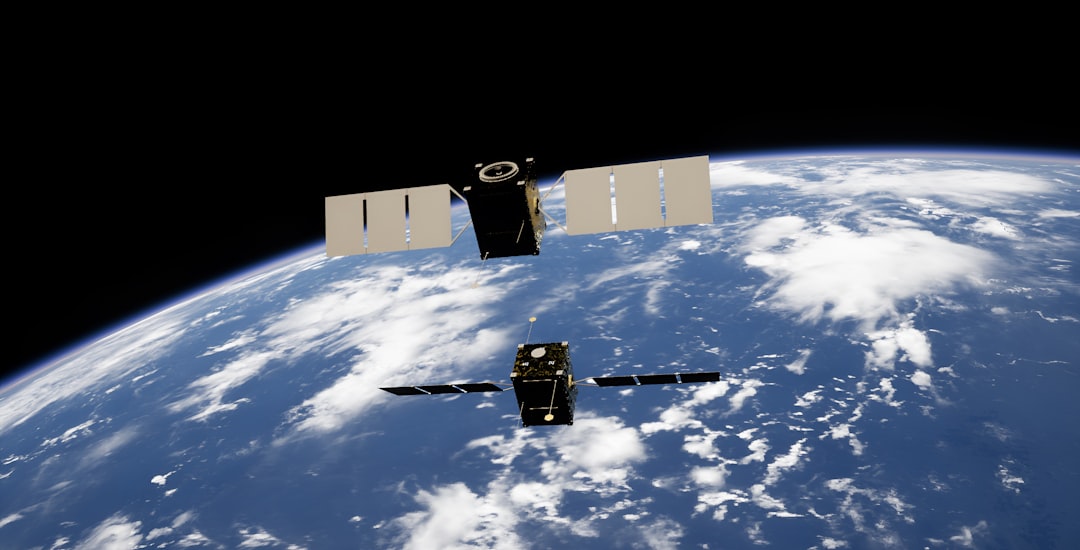
Open Cosmos, a European satellite manufacturer, recently raised about $346 million in funding. This funding shows a growing trend of investment in space start-ups. It reflects investors’ increasing confidence in the commercial potential of satellite technologies. The money will help the company enhance its capabilities and expand operations in the fast-changing space sector.
This funding round is part of a larger wave of investment in the space industry. Venture capital flows have increased significantly. Investors are drawn to satellite technologies, which are vital for communication, Earth observation, and scientific research. This trend has major implications for satellite engineers and venture capitalists eager to profit from the growing space economy.
Emerging Technologies and Their Impact on Satellite Manufacturing
The recent funding for Open Cosmos will support the development of advanced satellite technologies. These include miniaturized satellites and new manufacturing techniques. These technologies promise to lower costs and boost efficiency in satellite production. As technology evolves, engineers must adapt to new tools and methods that improve design and manufacturing.
Career Ahead’s analysis shows that small satellite constellations are driving investment in the sector. These constellations can provide global internet coverage and real-time data. Companies like Open Cosmos lead this change by creating smaller, more capable satellites that can be deployed quickly. This shift opens new opportunities for engineers skilled in miniaturization and systems integration.
Advancements in artificial intelligence (AI) are also shaping satellite manufacturing. AI is being used in satellite design and operation, leading to more autonomous systems and better data processing. Satellite engineers skilled in AI and machine learning will be in high demand as the industry grows. According to Orbital Radar, the space economy is expected to reach $1 trillion by 2030, driven by innovations in satellite technology and commercial applications. This growth means satellite engineers will play a key role in the future of the space industry, making it essential to stay updated on new technologies.
This growth means satellite engineers will play a key role in the future of the space industry, making it essential to stay updated on new technologies.
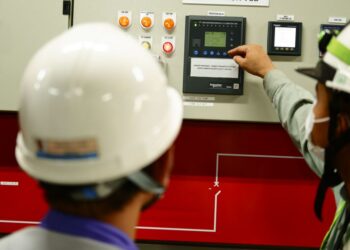
Schneider Electric's aggressive investments in automation are reshaping the industry landscape in Europe. This shift is set to create significant job opportunities for automation engineers…
Moreover, AI integration streamlines operations and enhances satellites’ data collection and analysis capabilities. AI algorithms can process large amounts of data from satellites in real-time. This allows for quicker decision-making in areas like disaster response and environmental monitoring. The demand for timely and accurate data is rising in sectors like agriculture and urban planning. A recent article in The New York Times highlights that the growing reliance on satellite data for critical decisions underscores the need for engineers who can effectively use these advanced technologies.
Investment Trends and Opportunities in the Space Sector
The surge in funding for companies like Open Cosmos indicates a broader trend in the space sector. Venture capitalists are increasingly willing to invest in innovative start-ups. This trend is often called the “SpaceX effect.” The success of major companies has inspired confidence in new entrants. Investors are now more willing to fund projects once seen as too risky. The New York Times reports that this funding influx is part of a sustained interest in the space sector, with many investors recognizing the long-term potential of satellite technologies.
Career Ahead research shows that this capital influx benefits not just established players but also emerging start-ups. Many new companies are entering the space market, focusing on niche applications like satellite-based agriculture monitoring and disaster response. This diversification attracts a wide range of investors eager to capitalize on space technologies. As the market grows, competition among start-ups increases, creating a more dynamic and innovative environment.
With the space industry becoming more accessible, satellite engineers have a unique chance to engage with start-ups at different development stages. Engineers looking to join newly funded companies should consider the specific technologies and applications these companies pursue. This understanding will be crucial for fitting into the organization. Additionally, the rising investment in space technologies signals a shift toward a stronger space economy, driven by private and public sector initiatives. This partnership is likely to foster innovation and accelerate the development of new technologies that will shape the future of space exploration.
The implications of these investment trends are significant for satellite engineers and venture capitalists. With more funding flowing into the sector, job growth and innovation potential are substantial. This makes it an exciting time for professionals in the field. As reported by Shutterstock, increasing investment in space technologies is expected to create many job opportunities across various sectors, from engineering to data analysis. This will contribute to a more skilled workforce in the space industry.
The Indian stock market experienced a notable boost as the Sensex surged by 473 points and the Nifty gained 134 points, driven by softer-than-expected US…
This partnership is likely to foster innovation and accelerate the development of new technologies that will shape the future of space exploration.
In summary, the funding landscape for space start-ups is changing quickly. This change is driven by technological advancements and growing investor confidence. As the sector continues to grow, satellite engineers and investors must adapt to the evolving demands and opportunities in this dynamic market.
Frequently Asked Questions
What skills are in demand for satellite engineers in funded start-ups?
Satellite engineers are increasingly expected to have skills in AI integration, systems design, and data analysis. Companies seek professionals who can work with miniaturized satellites and understand new technologies in satellite manufacturing.
How can venture capitalists identify promising space start-ups?
Venture capitalists should look for start-ups focusing on innovative applications of satellite technology and having a clear business model. Engaging with industry experts and attending space technology conferences can also help identify potential investment opportunities.
What should satellite engineers consider when applying to newly funded companies?
Satellite engineers should assess the specific technologies and applications the start-up is pursuing. Understanding the company’s vision and how their role contributes to that vision is crucial for a successful application.



Industry & Global Trends
Industry & Global Trends