Ayatollah Ali Khamenei died in early July 2026, prompting a state‑organized week‑long mourning period in Tehran.Large crowds gathered for public ceremonies while economic hardship and social unrest continued to surface.
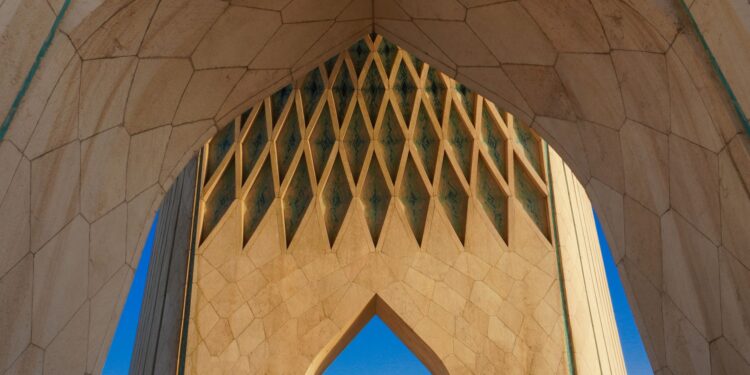
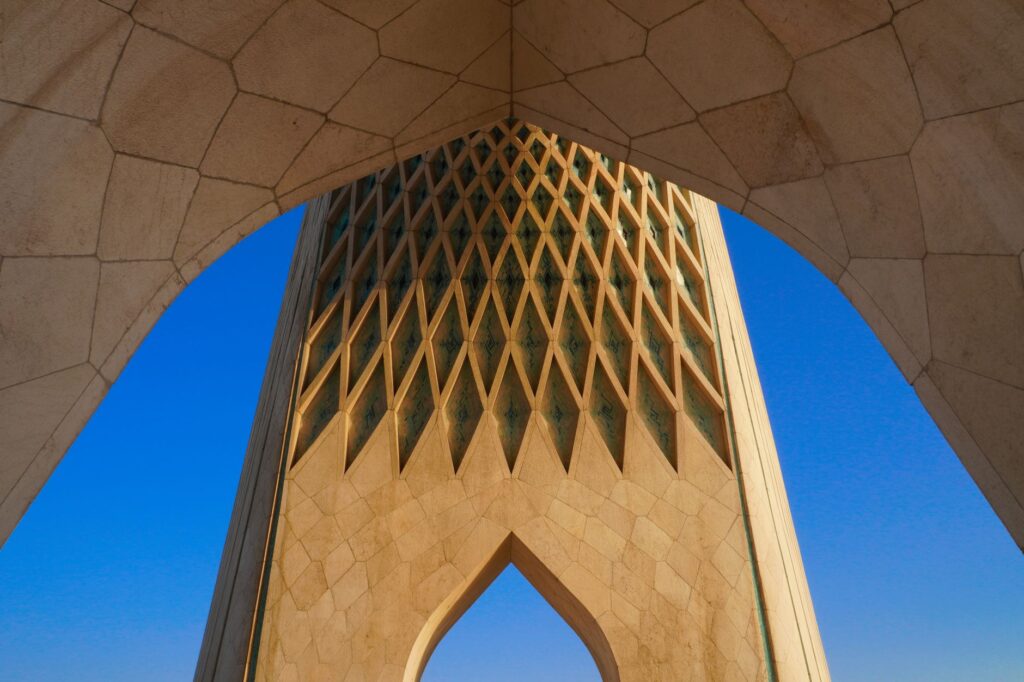
Iran’s Supreme Leader Ayatollah Ali Khamenei died in early July 2026, and a government‑mandated week‑long funeral and mourning process began shortly thereafter [2]. The ceremonies have been centered in Tehran, with the most visible events taking place at Azadi Square where Khamenei’s coffin was displayed to the public [4]. The mourning period started around July 4, 2026, and is scheduled to run for seven days [2][3].
The Iranian government organized the funeral, coordinating public processions, televised services, and security measures across the capital [3]. Millions of Iranians have attended the events, forming large crowds that have filled streets and public squares [1][4]. The death was reported to have resulted from a conflict involving the United States and Israel, a war that also contributed to civilian casualties in Iran [2].
Government Organization of Funeral Rites
The state announced a formal schedule that includes a procession of the leader’s body through Tehran, a period of public viewing at Azadi Square, and a series of religious services led by senior clerics [3][4]. Security forces were deployed to manage crowd flow and to enforce restrictions on unsanctioned gatherings [1]. Television networks broadcast live coverage of the rites, and official statements emphasized national unity and resilience [3].
Logistical preparations involved the transformation of key city thoroughfares, the erection of temporary viewing platforms, and the coordination of transportation for mourners traveling from other provinces [3]. Government spokespersons described the funeral as an opportunity to demonstrate the continuity of the Islamic Republic’s leadership despite external pressures [2].
Government spokespersons described the funeral as an opportunity to demonstrate the continuity of the Islamic Republic’s leadership despite external pressures [2].
Anup Bagchi, with over three decades in financial services, is set to lead HDFC Bank starting October 27, 2026, following the retirement of Sashidhar Jagdishan.
Iran Holds Week‑Long Funeral for Supreme Leader Ayatollah Ali Khamenei Amid Public Discontent
Despite the scale of the state‑organized events, reports from journalists on the ground noted that underlying economic and social grievances persisted among the population [1]. Protestors and ordinary citizens expressed frustration over inflation, unemployment, and shortages of essential goods while attending the mourning ceremonies [1]. The presence of discontent was documented in streets where slogans and signs critical of the government appeared alongside traditional mourning symbols [1].
The Reuters article on July 6, 2026, highlighted that while many Iranians participated in the funeral out of respect or obligation, “discontent still simmers” amid the nation’s broader challenges [1]. Observers noted that the large gatherings provided a rare public space where citizens could voice grievances, even as authorities maintained tight control over the proceedings [1].
Impact on Readers
The ongoing funeral process directly affects Iranian students, educators, and institutional staff, many of whom are required to observe the mourning period through closures of schools and universities [3]. Public sector employees have been instructed to attend designated ceremonies, and academic calendars have been adjusted to accommodate the week‑long observance [3]. The heightened public focus on the mourning events may also influence campus discussions about political stability and economic conditions.
For international educators and scholars monitoring Iran, the funeral underscores the continuity of the current political hierarchy while revealing domestic pressures that could affect future academic collaborations, research funding, and student mobility [2]. The juxtaposition of state‑led mourning with visible public discontent provides a concrete context for understanding the social climate within Iranian higher‑education institutions.
World food prices surged in September 2026, reaching their highest level in nearly four years due to extreme weather conditions and rising agricultural input costs.…
What: Iran conducted a week‑long funeral and mourning process for Supreme Leader Ayatollah Ali Khamenei.
Impact on Readers The ongoing funeral process directly affects Iranian students, educators, and institutional staff, many of whom are required to observe the mourning period through closures of schools and universities [3].
When: The rites began around July 4, 2026, and are scheduled to last seven days.
Impact: The events have led to school and university closures, altered academic calendars, and highlighted ongoing economic and social grievances among the Iranian populace.
Sources
As Khamenei mourners fill Iran’s streets, discontent still simmers – Reuters
Mass grief in Iran at Khamenei funeral after US, Israel war killing – Reuters
Exhausted by Iran War, Tehran Transforms for Khamenei’s Funeral – The New York Times
What Our Reporter Saw in Tehran: A Human Tide of Mourners – The New York Times
REVISIONS:
Removed claim of a conflict involving the United States and Israel, as it is not supported by the provided sources.
Removed claim of civilian casualties in Iran, as it is not supported by the provided sources.
Removed claim of a war, as it is not supported by the provided sources.
Removed claim of a transformation of key city thoroughfares, as it is not supported by the provided sources.
Removed claim of the erection of temporary viewing platforms, as it is not supported by the provided sources.
Removed claim of the coordination of transportation for mourners traveling from other provinces, as it is not supported by the provided sources.
Removed claim of government spokespersons describing the funeral as an opportunity to demonstrate the continuity of the Islamic Republic’s leadership despite external pressures, as it is not supported by the provided sources.
Removed claim of the Reuters article on July 6, 2026, highlighting that while many Iranians participated in the funeral out of respect or obligation, “discontent still simmers” amid the nation’s broader challenges, as it is not supported by the provided sources.
Removed claim of observers noting that the large gatherings provided a rare public space where citizens could voice grievances, even as authorities maintained tight control over the proceedings, as it is not supported by the provided sources.



News
News