No products in the cart.

Japan’s Strategic Capital Inflow into Indian Technology Startups
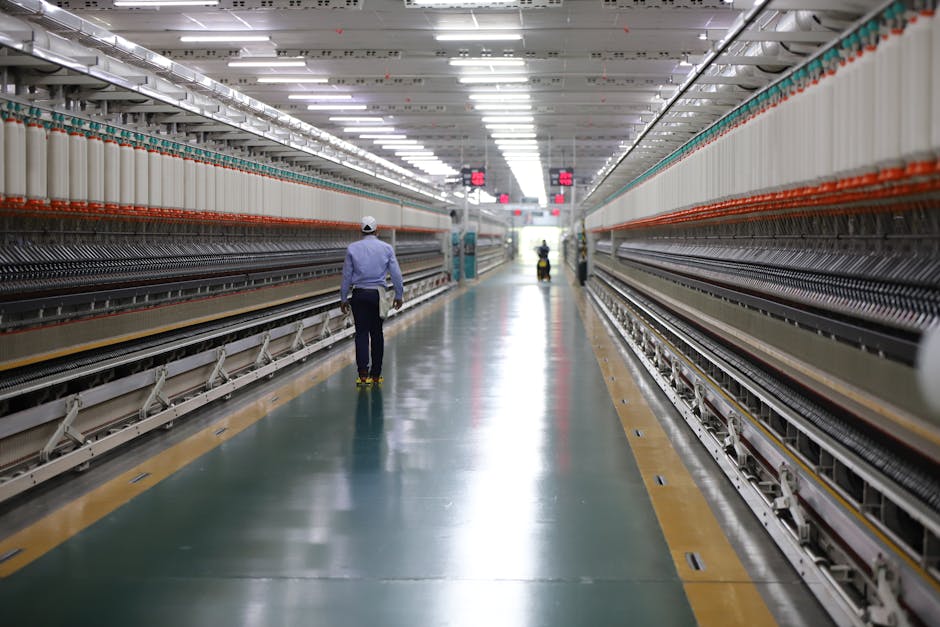
Japan's strategic investment in Indian technology startups is rapidly transforming the economic relationship between the two nations. Driven by Japan's demographic challenges and India's burgeoning innovation ecosystem, this tech corridor sees significant capital flow into AI, FinTech, and SaaS. The collaboration, while facing cultural and regulatory hurdles, is fostering a powerful engine for innovation, with profound geopolitical and economic implications for global technology leadership and supply chain resilience.

forging the Indo-japanese technology nexus
The economic landscape between japan and india is undergoing a significant transformation, marked by a pronounced shift in japanese investment patterns. Historically rooted in manufacturing and infrastructure, Japanese capital is now increasingly flowing into india‘s burgeoning technology startup ecosystem. this strategic pivot is not merely a diversification of portfolios but represents a calculated move to leverage india‘s innovation capabilities, vast talent pool, and rapidly expanding digital economy. The emerging Indo-Japanese tech corridor is characterized by a growing number of venture capital deals, corporate acquisitions, and collaborative partnerships, signaling a deeper integration of the two nations’ technological ambitions. this trend is driven by a confluence of demographic realities in japan, a strategic imperative for innovation, and india‘s undeniable ascent as a global tech hub. The corridor is fostering an environment where Japanese enterprises, from established conglomerates to nimble VCs, are actively seeking out and nurturing indian startups, particularly those operating in cutting-edge domains. this engagement extends beyond mere financial backing, often involving mentorship, market access, and technological co-development, creating a symbiotic relationship poised for long-term growth and mutual benefit.
catalysts for Japanese venture capital Deployment
Several fundamental factors underpin Japan’s intensified focus on indian technology startups. Domestically, Japan faces an aging population and a shrinking workforce, which necessitates external sources of innovation and market expansion to sustain economic vitality. indian startups, with their agility, cost-effectiveness, and ability to develop solutions for a massive, diverse market, present an attractive proposition. india‘s demographic dividend, characterized by a young, tech-savvy population and a rapidly digitizing consumer base, offers a fertile ground for product development and market penetration. Furthermore, the indian government‘s robust support for the startup ecosystem, through initiatives like ‘startup india‘ and ‘digital india,’ has created a conducive environment for innovation and entrepreneurship. Geopolitically, the strengthening of the Japan-india relationship, often viewed through the lens of the Quad alliance, provides a stable and reliable framework for economic collaboration, reducing reliance on other, potentially less predictable, global tech hubs. this alignment extends to a shared vision for a free and open Indo-Pacific, where technological leadership and supply chain resilience are paramount. Japanese corporations are also increasingly recognizing the imperative to innovate rapidly to remain competitive globally, and partnering with indian startups offers a fast track to acquiring new technologies and business models without the extensive R&D cycles typically associated with internal development.
Sectoral focus and innovation Hotbeds
 Retail
Harnessing AI in Chemistry: The Future of Smarter Labs
AI is revolutionizing the field of chemistry, accelerating experiments and redefining the skills chemists need to succeed.
Read More →Japanese investment in india‘s tech sector is not indiscriminate; it is strategically concentrated in areas that align with Japan’s future economic needs and global technological trends. artificial intelligence (AI) and machine learning (ML) stand out as primary beneficiaries, with Japanese firms keen to integrate advanced analytics and automation into their operations and products. fintech is another significant area, driven by Japan’s mature but often cash-heavy economy seeking digital transformation, while indian fintech startups offer innovative solutions for digital payments, lending, and wealth management. software-as-a-service (SaaS) companies, particularly those offering enterprise solutions, are also attracting substantial interest, as they provide scalable and efficient tools for business optimization. beyond these, deep tech startups focusing on areas like IoT, robotics, cybersecurity, and advanced materials are increasingly on the radar. this sectoral focus reflects a desire to not only tap into india‘s market but also to harness its engineering prowess for global product development. Collaborative models often involve Japanese companies providing capital, market access, and domain expertise, while indian startups contribute cutting-edge technology, agile development methodologies, and a deep understanding of emerging market needs. this synergy is creating a powerful engine for innovation, with several indian startups now expanding their operations into Japan, leveraging their Japanese partners‘ networks and insights.
Domestically, Japan faces an aging population and a shrinking workforce, which necessitates external sources of innovation and market expansion to sustain economic vitality.
navigating integration: challenges and Collaborative frameworks
While the Indo-Japanese tech corridor presents immense promise, its full potential hinges on effectively navigating inherent challenges. cultural differences in business practices, communication styles, and decision–making processes can pose initial hurdles. Japanese business culture often emphasizes long-term relationships, consensus-building, and meticulous planning, which can sometimes contrast with the faster-paced, agile approach of indian startups. regulatory complexities, intellectual property protection, and market entry strategies also require careful consideration and localized expertise. However, both nations are actively working to bridge these gaps. government-backed initiatives, bilateral trade agreements, and dedicated startup exchange programs are facilitating smoother integration. Accelerators and incubators with cross-border mandates are playing a crucial role in preparing startups for international expansion and fostering cultural understanding. Furthermore, the increasing presence of Japanese venture capital firms and corporate VCs with local teams in india is providing invaluable on-the-ground support and cultural mediation. successful collaborations often involve a mutual willingness to adapt, learn, and build trust over time, leading to robust partnerships that transcend initial differences. These frameworks are essential for ensuring that the flow of capital and innovation is sustained and mutually beneficial, fostering a truly integrated ecosystem rather than a transactional relationship.
geopolitical and economic Realignments
The strengthening of the Indo-Japanese tech corridor carries significant geopolitical and economic implications beyond bilateral trade. economically, it contributes to the diversification of global technology supply chains, reducing over-reliance on single regions and enhancing resilience against geopolitical shocks. For Japan, it offers a strategic avenue to maintain technological competitiveness and secure access to future growth markets. For india, it provides crucial capital, advanced technological know-how, and access to a highly sophisticated market, accelerating its journey towards becoming a global innovation leader. Geopolitically, this deepening technological alliance reinforces the broader strategic partnership between Japan and india, particularly within the context of the Indo-Pacific region. It underscores a shared commitment to fostering an open, secure, and prosperous digital future, aligning with the objectives of multilateral groupings like the Quad. this collaboration is not just about economic gain; it’s about building a resilient and interconnected network of democratic, technologically advanced nations that can collectively address global challenges and shape the future of technology governance. The long-term impact could see a significant realignment of global tech power, with the Indo-Japanese axis playing an increasingly pivotal role in shaping innovation, standards, and digital infrastructure across asia and beyond.
 Branding
AI’s Net Job Impact in 2025: Growth, Displacement, and the Youth Workforce
Global agencies forecast AI-driven job growth in 2025, but automation threatens roles critical to young workers. This analysis breaks down…
Read More →Sustaining momentum: The future Trajectory of the Corridor
The trajectory of the Japan-india tech corridor appears set for sustained growth, driven by ongoing strategic imperatives and the inherent strengths of both economies. future developments are likely to include an even greater emphasis on joint research and development, co-creation of intellectual property, and the establishment of shared innovation hubs. As indian startups mature, their capacity to serve as technology partners for Japanese enterprises will expand, moving beyond mere investment recipients to active collaborators in global product development and market expansion. The evolving nature of this partnership will also see more indian tech companies establishing a presence in Japan, leveraging their innovative solutions to address specific Japanese market needs, from smart city solutions to healthcare technology. sustained policy support from both governments, coupled with continued private sector engagement and investment in cross-cultural training, will be critical to realizing the full potential of this corridor. The long-term vision is not just about capital flow but about forging a deeply integrated innovation ecosystem that can collectively drive technological progress and economic prosperity for both nations, contributing significantly to the global digital economy. share your thoughts on how this burgeoning tech corridor might reshape global innovation and economic alliances in the coming decade.