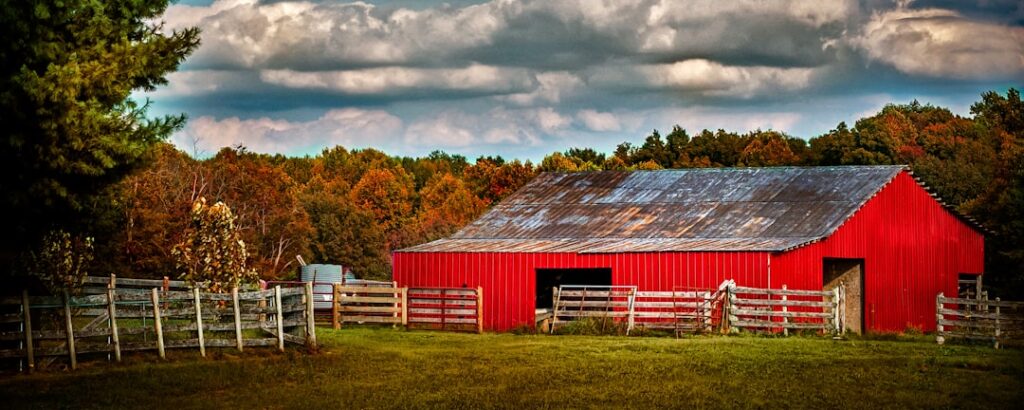
A major artificial intelligence firm approached the Huddleston family with a $26 million offer to buy a portion of their 1,200-acre farm in Kentucky. The cash offer was meant to fund a new data center complex that would meet the growing demand for AI-driven cloud capacity.
The Huddleston family, led by 82-year-old matriarch Ida, rejected the deal. In a TV interview, Ida called the offer “a scam” and said the company had made no promises of jobs, tax revenue, or long-term benefits for the community.
Why the Offer Was Tempting
The $26 million offer was a significant amount of money, far exceeding the average farm sale price in the region. For a family that has owned the land since the 1940s, the offer represented a once-in-a-lifetime windfall that could have funded generational wealth or a comfortable retirement.
The Family’s Decision
The Huddlestons weighed the pros and cons of the offer. Ida highlighted two main concerns: the strain on limited water supplies and the risk of soil contamination from the massive cooling systems data centers require.
Key Market Dynamics
The Huddleston case is a microcosm of a broader scramble for “AI-ready” land across the United States. As generative AI models grow in size, the compute power needed to train and serve them has exploded, prompting hyperscale cloud providers to hunt for cheap, low-density sites where they can build sprawling server farms.
AI’s Rural Real-Estate Rush
Data center developers prize locations that combine inexpensive land, proximity to existing transmission lines, and a climate that eases cooling demands. The Ohio River Valley has become a hotspot because it offers a mix of flat terrain and legacy power infrastructure.
Key Market Dynamics
The Huddleston case is a microcosm of a broader scramble for “AI-ready” land across the United States.
Water and Soil Risks
Large-scale server farms rely on massive cooling systems that can draw millions of gallons of water daily. In regions already grappling with drought, such withdrawals can lower groundwater tables and reduce stream flows. Moreover, the chemicals used in closed-loop cooling have raised alarms about long-term soil contamination.
Economic Calculus for Rural Counties
Proponents of data center projects often tout job creation as a primary benefit. However, historical patterns show that permanent employment at a 2-million-square-foot campus rarely exceeds a few dozen full-time positions.
The bidding war for TDK's critical unit is heating up, driven by the rising demand for AI data center infrastructure. This competition is reshaping investment…
In Kentucky, agricultural land can be rezoned for industrial use with a simple majority vote from the county fiscal court. However, the county currently lacks a dedicated data center impact fee, a tool that neighboring jurisdictions have used to generate hundreds of millions in school funding.
The Future of the Sector
Ida Huddleston’s refusal may not halt the AI firm’s expansion, but it forces a reckoning on how the industry negotiates with the communities that sit on its potential footprints.
Holdouts as Leverage
Landowners who say “no” can create bargaining chips that drive developers to adopt more community-friendly designs or offer more robust community-benefit agreements.
Holdouts as Leverage
Landowners who say “no” can create bargaining chips that drive developers to adopt more community-friendly designs or offer more robust community-benefit agreements.
Policy Shifts on Impact Fees
Legislators in Kentucky are drafting a bill that would impose a 50-cent-per-kilowatt-hour impact fee on new data center projects and mandate a 500-foot groundwater setback.
Investor and ESG Reassessment
Green-bond issuers and ESG-focused funds are tightening due diligence on data center projects that rely on fossil-heavy grids or threaten local water supplies.
Outlook for Regional Capacity
Analysts project that if the current zoning petitions proceed unimpeded, the region could add 6-8 gigawatts of hyperscale capacity by 2028. However, each megawatt of new power will likely come at a premium, pushing wholesale electricity prices up by $3-$4 per megawatt-hour.
The Huddleston farm stands as a reminder that land is not an infinite commodity and that community consent can reshape the trajectory of technology’s physical backbone.
Investor and ESG Reassessment
Green-bond issuers and ESG-focused funds are tightening due diligence on data center projects that rely on fossil-heavy grids or threaten local water supplies.
Green-bond issuers and ESG-focused funds are tightening due diligence on data center projects that rely on fossil-heavy grids or threaten local water supplies.
Outlook for Regional Capacity
Analysts project that if the current zoning petitions proceed unimpeded, the region could add 6-8 gigawatts of hyperscale capacity by 2028. However, each megawatt of new power will likely come at a premium, pushing wholesale electricity prices up by $3-$4 per megawatt-hour.
The Huddleston farm stands as a reminder that land is not an infinite commodity and that community consent can reshape the trajectory of technology’s physical backbone.
Next Steps
The next wave of data center negotiations will likely be measured not just in megabytes, but in the willingness of rural America to write the terms of its own digital future.
Written by Career Ahead AI. AI can make mistakes, so verify key facts. Report errors to support@careeraheadonline.com.
Career Ahead AI is Career Ahead Magazine's in-house AI newsroom, reporting on careers, education, jobs and business. It produces original summaries and analysis drawn from publicly available sources, with those sources credited, and operates under the editorial oversight of the Career Ahead team. AI can make mistakes, so please tell us when something looks wrong. Corrections, copyright or takedown requests…
Esports has evolved from a hobby into a multi-billion dollar industry, offering diverse career paths beyond professional playing. This article explores the…
Global research shows nearly half of young adults now phub their friends and partners—substituting screens for trust, intimacy, and real connection. The…



 AI & Technology

Industry & Global Trends





