LinkedIn has introduced new tools to combat fake profiles and false work histories, enhancing trust and credibility on its platform. These features allow verified users to endorse colleagues and give companies more control over their pages.
LinkedIn has launched new tools to combat fake profiles, false work histories, and impersonation. Announced on September 23, 2026, these features aim to build trust and credibility in the professional networking space. They will significantly change how recruiters and hiring managers assess potential candidates.
As AI-generated identities become more common, LinkedIn’s initiatives are timely. The platform now lets verified users endorse the work and education of their colleagues. This adds authenticity to profiles. Companies can also block fake employee claims linked to their organizations. This feature helps businesses maintain integrity and protect their brand from misrepresentation.
AI-Driven Verification Tools Enhance Trust
One standout feature is the ability for verified members to endorse others’ work and educational experiences. This goes beyond the existing endorsement system. It requires a verified connection and a year-long relationship between the members involved. This measure ensures that only genuine associations are validated, which is crucial in a landscape where fake profiles can mislead recruiters. According to TechCrunch, this new feature aims to create a trustworthy environment. Hiring managers can rely on verified endorsements instead of self-reported information, which can be misleading.
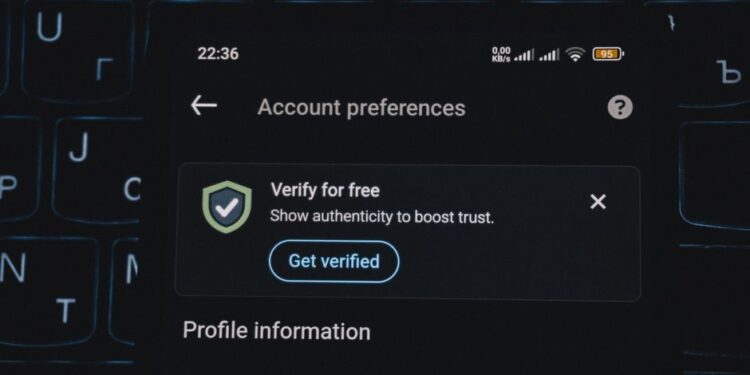
LinkedIn’s verification system is already used by over 115 million members and more than 700,000 companies. This shows a strong foundation for the new tools. The platform is committed to expanding verification partnerships, like its recent integration with Truecaller. This partnership allows users to display their LinkedIn profiles alongside their professional information on Truecaller. It makes it easier for potential employers to verify candidate identities during phone interactions. This integration streamlines the verification process and enhances the overall user experience.
With these changes, LinkedIn is proactively working to create a more trustworthy environment for professionals. This is significant for recruiters who face many fraudulent accounts and misrepresented qualifications. The new tools can reduce the time spent verifying candidate backgrounds, streamlining the hiring process. As noted in a recent Livemint article, these features reflect LinkedIn’s commitment to building professional trust, essential in today’s competitive job market.
With these changes, LinkedIn is proactively working to create a more trustworthy environment for professionals.
This initiative responds to the growing need for reliable payment solutions in places with limited internet. By using technologies for offline transactions, the RBI wants…
Career Ahead’s analysis shows that these verification features respond to growing concerns about identity fraud in the job market. As AI tools become more advanced, the potential for creating convincing fake profiles increases. This makes it vital for platforms like LinkedIn to adapt. This evolution in verification practices could set a new standard for professional networking, influencing how other platforms approach identity verification.
Impact on Recruitment Strategies
The new verification tools will profoundly impact recruitment strategies across various sectors. Hiring managers will need to adapt their methods for evaluating candidates. They will place greater emphasis on verified credentials. This shift may decrease reliance on traditional resumes, which can be easily manipulated. As demand for verified profiles grows, candidates with such endorsements will likely gain a competitive edge. Those without them may struggle to secure interviews.
Moreover, companies can now actively protect their reputations online. By blocking fake profiles claiming employment at their organizations, companies safeguard their brand integrity. This feature helps maintain a credible presence on LinkedIn, essential for attracting top talent. As the recruitment landscape evolves, hiring managers must stay informed about these changes. Leveraging LinkedIn’s new tools can lead to more informed hiring decisions and improve the quality of hires.
Career Ahead’s research indicates that demand for verified profiles will likely increase, leading to a more competitive job market. Candidates who provide verified endorsements and work histories will stand out. Those without such credentials may face challenges in securing interviews. This trend emphasizes the importance of building a credible professional network and maintaining transparency in career advancements. In a world where misinformation spreads easily, LinkedIn’s initiatives represent a significant step toward fostering trust in professional connections. As these tools gain adoption, they could reshape expectations for both recruiters and job seekers regarding the authenticity of online profiles.
Looking ahead, the implications of LinkedIn’s new verification tools extend beyond immediate recruitment practices. As more professionals use these features, it will be interesting to see how they influence industry standards for profile verification. Other platforms may feel pressured to implement similar measures to stay competitive. Furthermore, as AI technology advances, the challenge of distinguishing between real and fake profiles will persist. LinkedIn’s proactive approach may inspire other companies to develop innovative solutions against impersonation and fraud. This could lead to a broader industry shift toward enhanced verification processes across various professional networking platforms.
The ECB's latest report indicates that the Eurozone is showing signs of stronger growth than previously expected. Lagarde stated that the region's economy has demonstrated…
This trend emphasizes the importance of building a credible professional network and maintaining transparency in career advancements.
Recruiters and hiring managers must remain vigilant and adapt to these changes. The evolving landscape of online recruitment requires continuous learning to leverage new tools effectively. The success of LinkedIn’s verification initiatives may serve as a benchmark for future developments in professional networking. As the job market continues to evolve, the need for authenticity in professional profiles will only grow. Both job seekers and employers will closely monitor the effectiveness of LinkedIn’s new tools in addressing these challenges, raising questions about how this will reshape the future of online recruitment.
Frequently Asked Questions
How can recruiters identify fake profiles on LinkedIn?
Career Ahead’s analysis shows that recruiters can spot fake profiles by looking for verified endorsements and work histories. LinkedIn’s new tools let users vouch for each other’s experiences, making it easier to identify genuine profiles.
What new features does LinkedIn offer for verifying work histories?
LinkedIn now allows verified users to endorse colleagues’ work experiences. Companies can also block fake profiles claiming employment at their organizations, enhancing the verification process for work histories.
What should hiring managers do to adapt to LinkedIn’s new verification tools?
Hiring managers should learn about LinkedIn’s new verification features and use them in their recruitment processes. By focusing on verified profiles, they can make more informed hiring decisions and reduce the risk of hiring candidates with inflated credentials.



News

News