No products in the cart.

Low-Paid Workers Join Savings Scheme for Cash Bonus

The UK government has launched a savings scheme for low-paid workers, offering cash bonuses to encourage saving. Participants can save up to £50 monthly, potentially earning a bonus of £1,200 over four years.

The UK government has launched a new savings scheme aimed at low-paid workers, encouraging them to save by offering cash bonuses. This initiative allows individuals to earn a bonus of 50p for every £1 saved over a four-year period. The scheme targets those receiving universal credit, with the aim of improving their financial stability and encouraging better savings habits.
As of now, participants can save up to £50 each month, with a maximum total contribution of £2,400 over four years. This could result in a maximum bonus of £1,200 at the end of the savings period. The government hopes to reach more individuals, as recent reports indicate that the take-up of this scheme remains low, with many missing out on the opportunity to build a financial safety net. According to a report by The Guardian, the debt charity StepChange has highlighted that the take-up of the Help to Save scheme is still far too low, emphasizing the need for increased awareness and participation among eligible workers.
Understanding the Help to Save Scheme
The Help to Save scheme was introduced to assist low-paid workers, particularly those on universal credit, in building savings. According to government data, 656,700 accounts have been opened since the scheme’s launch in September 2018, with savers contributing a total of £676 million. Notably, 94% of those who opened an account save the maximum amount of £50 each month, demonstrating a strong commitment to saving among participants. This high engagement rate suggests that when individuals are aware of the benefits, they are likely to take advantage of the scheme.
With the current economic climate, many low-paid workers face financial challenges. The Help to Save scheme provides an essential lifeline, offering a structured way to save money while receiving a substantial bonus. The bonuses are paid at the end of the second and fourth years, which incentivizes long-term savings. This approach not only helps individuals accumulate savings but also promotes financial literacy by encouraging participants to engage with their finances more actively. The scheme’s design aligns with broader government objectives to enhance financial resilience among low-income households, as highlighted in various government publications.
Moreover, the scheme is set to expand its eligibility criteria in 2028, allowing parents and carers on universal credit to participate. This change is expected to increase the number of individuals who can benefit from the scheme, further enhancing the financial security of low-paid workers in the UK. Career Ahead analysis finds that this expansion could lead to a significant increase in savings among vulnerable groups, providing them with a better chance to improve their financial situations. The potential for increased participation underscores the importance of ongoing government efforts to promote the scheme effectively.
By encouraging individuals to save and understand the importance of financial planning, the Help to Save scheme aims to equip low-paid workers with the tools they need to secure their financial futures.
You may also like
 Government & Policy
How the Pentagon’s Ruling on Anthropic Affects AI Startups
The Pentagon's ruling on Anthropic's blacklisting clarifies the legal landscape for AI startups, emphasizing the need for compliance with government regulations. This decision will influence…
Read More →Financial literacy is a crucial component of this initiative. By encouraging individuals to save and understand the importance of financial planning, the Help to Save scheme aims to equip low-paid workers with the tools they need to secure their financial futures. As more people engage with the scheme, it is likely that they will develop better savings habits, which can lead to greater financial independence. The scheme not only serves as a financial tool but also as an educational platform that fosters a culture of saving among participants.
The Impact on Financial Literacy and Savings Habits
Participating in the Help to Save scheme can significantly impact the financial literacy of low-paid workers. By actively engaging in saving and tracking their contributions, individuals can learn about budgeting and the importance of having an emergency fund. This knowledge is essential for making informed financial decisions in the future. The Guardian’s coverage of the scheme emphasizes that the cash bonuses provided serve as an additional motivator for participants, reinforcing the idea that saving is not just a necessity but can also be rewarding.
Career Ahead research indicates that individuals who participate in savings schemes are more likely to develop positive financial behaviors. This includes budgeting effectively, planning for future expenses, and understanding the benefits of saving. As low-paid workers become more financially literate, they can make better choices that enhance their overall financial well-being. The Help to Save scheme, therefore, acts as a catalyst for change, encouraging individuals to rethink their financial habits and prioritize saving.
Furthermore, the cash bonuses provided by the Help to Save scheme serve as an additional motivator for participants. Knowing that their savings will be rewarded with a substantial bonus encourages individuals to prioritize saving over unnecessary spending. This shift in mindset can lead to healthier financial habits that persist beyond the duration of the scheme. As the scheme continues to evolve, it is essential to monitor its effectiveness in improving financial literacy among low-paid workers. The government’s commitment to expanding eligibility and promoting the scheme will be crucial in ensuring that more individuals can benefit from the initiative.
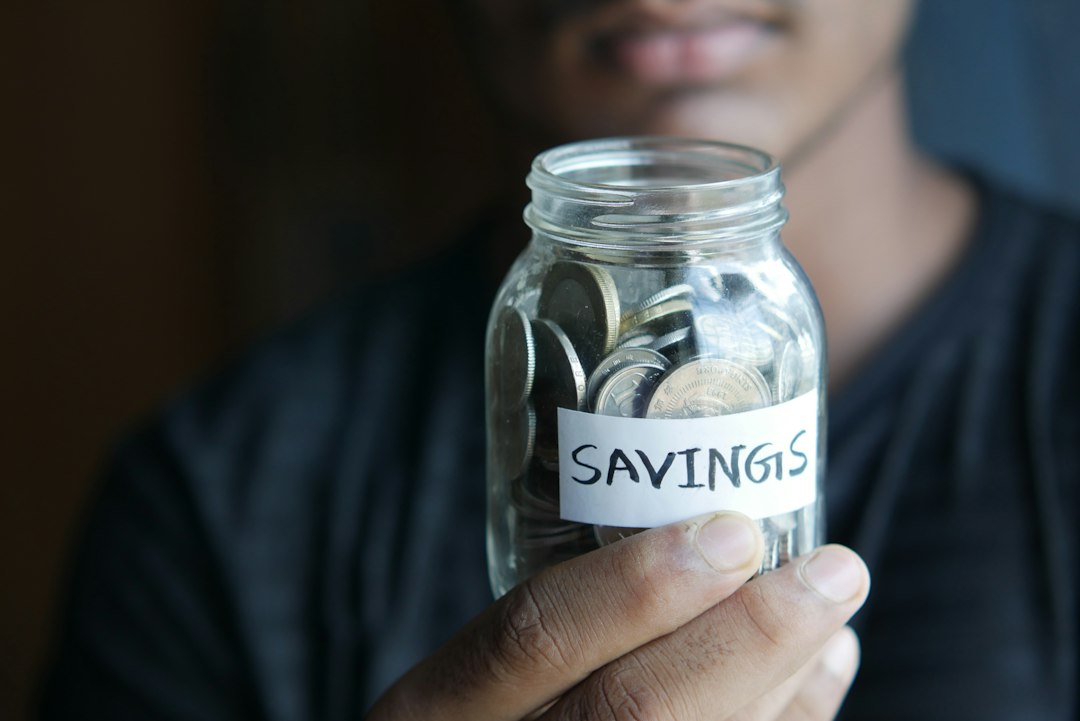
As the scheme continues to evolve, it is essential to monitor its effectiveness in improving financial literacy among low-paid workers.
The impact of the Help to Save scheme extends beyond individual participants. As more low-paid workers engage with the scheme and improve their financial literacy, there is potential for a broader positive effect on the economy. Increased savings can lead to greater consumer spending, which can stimulate economic growth and job creation. This ripple effect can benefit not only individuals but also communities and the economy as a whole. As highlighted by various economic analyses, fostering a culture of savings among low-income earners could lead to a more stable and resilient economy.
You may also like
 Government & Policy
PRIM, Mutual Funds, PMS: Understand Key Differences
The introduction of PRIM is significant as it offers a new avenue for investors looking for tailored investment solutions.
Read More →Looking ahead, the launch of the Help to Save scheme marks a significant step towards improving the financial stability of low-paid workers in the UK. However, there is still much work to be done to ensure that all eligible individuals are aware of and can access the benefits of this initiative. The government’s ongoing efforts to promote the scheme will be crucial in increasing participation rates. As the financial landscape evolves, it will be essential to assess the effectiveness of the Help to Save scheme and its impact on low-paid workers. Future evaluations should focus on understanding the long-term benefits of participation and how it contributes to improved financial literacy and savings habits. This information will be vital for refining and expanding the scheme to better meet the needs of low-income earners.
Ultimately, the Help to Save scheme represents a significant opportunity for low-paid workers to enhance their financial stability. As more individuals take advantage of this initiative, it could pave the way for a more financially secure future for many. Will the government continue to innovate and adapt its approach to savings initiatives, ensuring that all low-paid workers have the opportunity to build a better financial future?
Frequently Asked Questions
How do I sign up for the savings scheme?
To sign up for the Help to Save scheme, eligible individuals can visit the official government website and complete the application process. It is designed to be straightforward, ensuring that low-paid workers can easily access the benefits.
It is designed to be straightforward, ensuring that low-paid workers can easily access the benefits.
What are the benefits of the cash bonus for low-paid workers?
The cash bonus allows low-paid workers to earn an additional 50p for every £1 they save, significantly enhancing their savings over time. This bonus can provide a crucial financial boost for those on low incomes.

How can low-paid workers improve their financial situation through savings?
By participating in savings schemes like Help to Save, low-paid workers can develop better financial habits and build a safety net for emergencies. This encourages a culture of saving, which can lead to greater financial independence.
You may also like
 Government & Policy
States Raise Age Limits for Government Job Recruitment
Andhra Pradesh has raised the upper age limit for direct recruitment to government jobs to 44 years, reflecting a trend among states to extend age…
Read More →