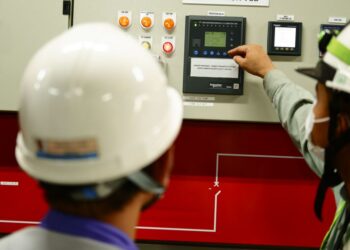
As the geopolitical landscape shifts due to the ongoing conflict in Iran, Malaysia is stepping up to support its industries. The government has fiscal room to maneuver, allowing it to deploy measures to shield businesses from the economic impact. This proactive approach could stabilize its economy amidst rising commodity prices and supply chain disruptions.
As the geopolitical landscape shifts due to the ongoing conflict in Iran, Malaysia is stepping up to support its industries. Finance Minister Zafrul Aziz confirmed that the country has fiscal room to maneuver, allowing it to deploy measures to shield businesses from the economic impact. This decision comes at a critical time as global markets react to increased tensions in the Persian Gulf.
The Malaysian Investment Development Authority (MIDA) has been tasked with identifying sectors that require urgent assistance. Industries such as oil and gas, manufacturing, and export-oriented businesses are likely to be prioritized. The government aims to ensure that these sectors remain resilient despite external pressures.
As the war in Iran disrupts supply chains and raises commodity prices, Malaysia’s proactive approach could stabilize its economy. The fiscal measures are designed not only to provide immediate relief but also to foster long-term growth in strategic sectors.
Global Economic Context and Its Impact on Malaysia
The ongoing conflict in Iran has sent shockwaves through global markets. Crude oil prices surged, impacting countries reliant on oil imports. Malaysia, while a net exporter of palm oil and natural gas, is not immune to these fluctuations. The rise in energy costs could lead to inflationary pressures domestically.
According to reports, Malaysia’s inflation rate is expected to rise as the cost of goods increases. This scenario poses a challenge for the government, which must balance fiscal support with the need to control inflation. The government’s fiscal strategy will be crucial in navigating these turbulent waters. As highlighted by Bloomberg, the government has indicated that it is prepared to implement measures to mitigate the economic fallout from the Iran war, emphasizing the importance of maintaining economic stability during this crisis.
This scenario poses a challenge for the government, which must balance fiscal support with the need to control inflation.
Additionally, Malaysia’s trade with China, its largest trading partner, is under scrutiny. Recent reports indicate that China’s imports of oil and gas have shrunk due to the turmoil in the Persian Gulf. This development could affect Malaysia’s export revenues, further complicating the economic landscape. The potential reduction in demand from China, as noted in a Bloomberg report, could lead to a significant decline in Malaysia’s export performance, particularly in the oil and gas sector.
In light of these challenges, Malaysia’s fiscal flexibility is a vital asset. The government’s ability to respond swiftly to changing global conditions will determine the resilience of its economy.
Targeted Industry Support Amidst Rising Costs
As Malaysia gears up to support its industries, specific sectors are likely to receive targeted assistance. The oil and gas sector, already feeling the pinch from rising costs, will be a primary focus. BP’s recent report highlighted exceptional trading gains due to soaring prices, indicating that while some companies thrive, others struggle to cope with increased operational costs. This dichotomy presents a unique challenge for the Malaysian government as it seeks to balance support for struggling sectors while not over-subsidizing those that are currently profitable.
Manufacturers are also at risk. Supply chain disruptions linked to the Iran conflict could hinder production schedules and lead to increased operational costs. The Malaysian government is expected to introduce measures such as tax incentives and subsidies to help manufacturers adapt to these changes. These measures may include direct financial assistance and the facilitation of loans to ensure that manufacturers can maintain operations during this turbulent period.
Furthermore, the export-oriented sectors may face challenges as demand fluctuates. With China’s imports shrinking, Malaysian exporters must find new markets or adjust their strategies to maintain competitiveness. The government’s support will be crucial in helping these businesses pivot effectively. The recent decline in China’s oil and gas imports, as reported by Bloomberg, underscores the urgency for Malaysia to diversify its export markets and reduce reliance on a single trading partner.
Project Jagrook aims to combat the influence of anonymous financial advisors and so-called "finfluencers," who often provide misleading advice to unsuspecting retail investors.
The government’s support will be crucial in helping these businesses pivot effectively.
In this environment, the focus on innovation and technology adoption will be essential. The government’s investment in digital infrastructure and skills training could provide the necessary boost for industries looking to modernize and remain competitive in a changing global market. This strategic shift towards technology is not only vital for immediate recovery but also for long-term economic sustainability.
Looking Ahead: Economic Resilience and Future Strategies
As Malaysia navigates the complexities of the Iran war’s fallout, the emphasis on fiscal flexibility is paramount. The government’s proactive stance could serve as a model for other nations facing similar challenges. However, the effectiveness of these measures will depend on timely implementation and the ability to adapt to evolving conditions.
In the near future, the focus will be on monitoring the impacts of the Iran war on global supply chains and commodity prices. The government must remain vigilant and ready to adjust its strategies as necessary. The balance between supporting industries and managing inflation will be a delicate one. As highlighted by recent analyses, the potential for increased collaboration with ASEAN partners could provide new opportunities for trade and investment. Strengthening regional ties may help mitigate some of the adverse effects of global disruptions.
Ultimately, Malaysia’s response to the Iran war will be a test of its economic resilience. As the situation evolves, the government’s ability to adapt its fiscal policies will play a crucial role in shaping the nation’s economic future. This ongoing situation raises questions about the long-term implications of global conflicts on local economies. How will Malaysia position itself in a rapidly changing geopolitical landscape? The answers to these questions will be pivotal in determining the trajectory of Malaysia’s economic policies in the coming years.



Government & Policy
Government & Policy