No products in the cart.

Malaysia’s Growth Forecast Hits 6% Amid Central Bank Optimism
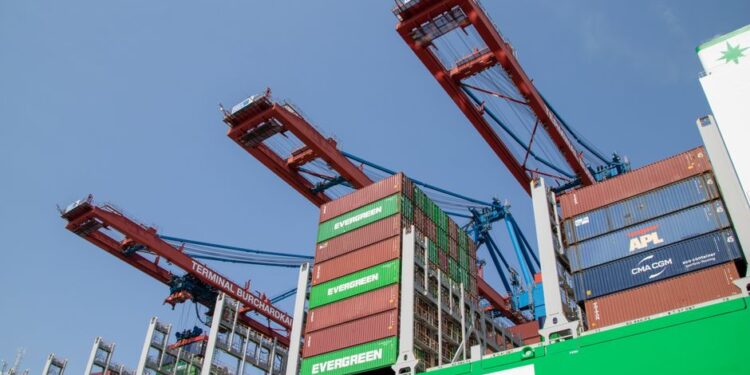
This economic boost is significant for export managers in Malaysia and economists specializing in the region. The implications of this growth extend beyond mere statistics; they indicate a shift in how businesses may approach their export strategies moving forward. Export managers will need to adapt to this evolving…

Malaysia’s economy is now projected to grow by 6% in the second quarter of 2026, according to the central bank. This increase is due to stronger exports, especially in sectors affected by artificial intelligence (AI). The growth shows that domestic demand is resilient, even amid geopolitical tensions like the ongoing war in the Middle East.
This economic boost is important for export managers and economists in Malaysia. It goes beyond just numbers; it signals a change in how businesses may shape their export strategies. Export managers must adapt to this new landscape, while economists should adjust their forecasts accordingly.
AI’s Role in Driving Export Growth
AI technologies have greatly improved Malaysia’s export capabilities. As more industries adopt AI, productivity and efficiency have increased. This leads to higher quality goods that compete better in global markets. The manufacturing and technology sectors benefit the most, as AI streamlines production and enhances innovation. Bloomberg reports that the AI boom has reshaped Malaysia’s economy, helping the country use its tech advancements to boost exports.
Career Ahead’s analysis suggests that AI-driven exports will keep growing due to local innovations and international demand for advanced tech. For example, Malaysia’s electronics sector, which has invested heavily in AI, is set to gain a larger share of the global market. This shift offers export managers a chance to refine their strategies, focusing on high-tech products that utilize AI. The electronics industry has always been vital to Malaysia’s export economy, and AI improvements are expected to enhance its success.
Additionally, as global markets focus more on sustainability, AI can help Malaysian exporters meet these new standards. AI can optimize supply chains and reduce waste, positioning Malaysian products well in eco-conscious markets. This is crucial for export managers looking to boost their market appeal and competitiveness. The Edge Malaysia notes that the government supports these efforts, creating a favorable environment for AI-driven innovations.
Export managers must keep up with technological advancements and ensure their teams have the skills to use AI effectively.
You may also like
 Industry & Global Trends
Netflix Closes Two Game Studios Amid Shift to TV-Based Gaming
Netflix's closure of two game studios marks a significant shift in the gaming industry, moving from mobile to TV-based gaming, impacting developers and the job…
Read More →However, the fast pace of AI adoption brings challenges. Export managers must keep up with technological advancements and ensure their teams have the skills to use AI effectively. Continuous learning and adaptation are vital for strategic planning in export operations. As Channel News Asia points out, Malaysia’s growth as one of ASEAN’s fastest economies depends on its ability to harness AI in its export strategies.
In summary, AI is more than just a tool for efficiency; it is a key driver of growth in Malaysia’s export sector. As the economy changes, export managers must harness AI’s potential to stay competitive.
Domestic Demand Trends and Their Implications
Strong domestic demand has also been crucial for Malaysia’s economic growth. Consumer confidence has risen, thanks to stable employment and government initiatives to boost local spending. This strong domestic market lays a solid foundation for businesses to expand their export activities. The Edge Malaysia reports that government measures, like tax incentives and infrastructure improvements, have greatly boosted consumer confidence.
Career Ahead’s research shows that as domestic consumption increases, companies will likely boost production to meet both local and international needs. This can create economies of scale, making Malaysian products more competitive abroad. For export managers, understanding this trend is key to aligning production and export strategies with market needs. A stronger domestic demand also encourages innovation and diversification, enhancing Malaysia’s export capabilities.
The Malaysian government has introduced various policies to support local industries, including tax incentives and infrastructure upgrades. These initiatives not only strengthen domestic demand but also improve the overall business environment, encouraging companies to explore export opportunities. Export managers should stay informed about these developments and consider how to benefit from government support in their strategic planning. However, geopolitical tensions, especially the conflict in the Middle East, could pose risks to this growth. Disruptions in global supply chains or changes in trade policies could impact Malaysia’s export landscape. Export managers must remain alert and flexible, ready to adjust their strategies as conditions change.
Career Ahead’s research shows that as domestic consumption increases, companies will likely boost production to meet both local and international needs.
You may also like
 Industry & Global Trends
Gulf Oil Giants Bypass Strait of Hormuz with Billions
Gulf oil companies are investing billions to develop alternative pipelines and maritime routes, reducing reliance on the Strait of Hormuz amid rising geopolitical tensions.
Read More →In essence, the interaction between domestic demand and geopolitical factors will greatly affect Malaysia’s export future. Export managers must navigate this complex environment to seize growth opportunities while managing risks. The current economic climate, with a 6% growth rate, offers a unique chance for Malaysian exporters to strengthen their global market presence, provided they stay agile and informed.
The recent revision of Malaysia’s GDP growth to 6% marks a crucial moment for the economy. As AI drives exports and domestic demand grows, export managers must stay alert and adaptable to take advantage of these changes. The question remains: how will these factors shape Malaysia’s role in the global market in the years ahead?
Frequently Asked Questions
What are the implications of Malaysia’s GDP growth for export managers?
Malaysia’s GDP growth to 6% signals new opportunities for export managers, especially in AI-driven sectors. They should adjust their strategies to align with this growth and leverage domestic demand.
They should adjust their strategies to align with this growth and leverage domestic demand.
How can economists leverage the AI boom in their forecasts for Malaysia?
Economists can factor in the AI boom by analyzing its effects on productivity and export capabilities. This will give a clearer view of Malaysia’s economic direction.

What strategies should export managers adopt in response to changing economic conditions in Malaysia?
Export managers should focus on using AI advancements, understanding domestic demand trends, and staying updated on geopolitical factors that may impact trade dynamics.
You may also like
 Industry & Global Trends
Pharma Exports Hit $8.1bn, U.S. Dominates Demand
The increase in exports is driven by various factors, including the growing reliance on affordable generic medicines and the expansion of India's pharmaceutical manufacturing capabilities.
Read More →