No products in the cart.

Manufacturing Sector Growth Hits 5-Year Low
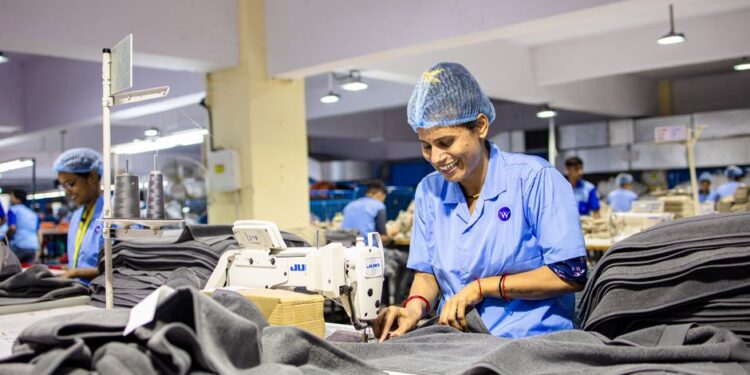
India's manufacturing sector growth fell to a five-year low in July 2026, raising concerns about job stability and future employment prospects in the industry. The decline is attributed to a slowdown in new business orders and ongoing supply chain disruptions, reflecting deeper issues within the sector.

India’s manufacturing sector growth fell to a five-year low in July 2026. The HSBC India Manufacturing Purchasing Managers’ Index (PMI) dropped to 53.5 from 54.2 in June. This is the lowest level since August 2021. The decline is due to a slowdown in new business orders and tough market conditions. This raises concerns about job stability in the sector.
This decline has significant implications for manufacturing engineers and supply chain managers. As the PMI shows a contraction in growth, companies may cut back on hiring. This could lead to fewer job openings in manufacturing. This trend is worrying, especially as the sector recovers from the pandemic and demand for skilled labor increases. According to a report by The Hindu, the decline in manufacturing activity reflects deeper issues, such as rising costs and ongoing supply chain disruptions since the pandemic.
Impacts on Job Openings in Manufacturing Firms
The PMI drop signals a possible reduction in job openings in manufacturing. Career Ahead’s analysis shows that employment growth in manufacturing has weakened for three months. July’s rate was the slowest in nearly two and a half years. This suggests firms may hesitate to expand their workforce amid uncertain market conditions.
Furthermore, the survey reveals that growth in new orders was the second-weakest in over four years. This lack of demand could lead to layoffs or hiring freezes. As companies focus on cutting costs, manufacturing engineers and supply chain managers may face stiff competition for fewer roles.
The report from Swarajya emphasizes that the slowdown in new orders is a key indicator of future employment prospects. It directly correlates with production levels and staffing needs. In response, firms are likely to prioritize retaining existing talent over hiring new employees. This shift may create a skills gap, as companies seek to upskill their current workforce instead of bringing in new hires. For manufacturing engineers, those who show adaptability and proficiency in new technologies will be better positioned to keep their jobs.
Additionally, the decline in job openings may lead many professionals to explore alternative career paths or upskilling opportunities.
Additionally, the decline in job openings may lead many professionals to explore alternative career paths or upskilling opportunities. Specialized skills in automation, data analysis, and lean manufacturing will become increasingly important as companies adapt to market changes. The recent analysis highlights that digital skills and technological proficiency are becoming crucial in the job market. Continuous learning will be essential for career advancement.
You may also like
 Industry & Global Trends
$600 Billion Food Market Expands, Processing Gains Focus
India’s food market, now estimated to be worth $600 billion, is experiencing a robust growth rate of 7% compounded annually, driven by economic expansion and…
Read More →Overall, the outlook for job openings in manufacturing seems bleak. Ongoing instability may arise as firms adjust to the current economic climate. The balance between reduced hiring and the need for upskilling creates a challenging environment for job seekers in this sector.
Shifts in Supply Chain Management Strategies
The decline in manufacturing activity is prompting changes in supply chain management strategies. Companies facing reduced production levels are likely to reevaluate their supply chains. They aim to enhance efficiency and mitigate risks. Career Ahead’s analysis finds that firms are starting to rebuild their supply chain buffers. They are increasing inventories of inputs and finished goods to guard against disruptions.
This shift is evident in improved supply chain conditions reported in July, where input lead times shortened significantly. However, renewed tensions in the Middle East present new challenges that could affect supply chain stability. Supply chain managers must navigate these complexities while ensuring resilient operations.
Moreover, companies are likely to invest in technology and automation to streamline their supply chains further. As firms optimize operations, there will be a growing demand for professionals skilled in supply chain analytics and logistics management. This trend highlights the importance of upskilling for supply chain managers who want to remain competitive in a contracting market. The analysis from Moneycontrol indicates that firms adapting their supply chain strategies can survive and potentially thrive by capturing new market opportunities.

As firms optimize operations, there will be a growing demand for professionals skilled in supply chain analytics and logistics management.
As manufacturers adapt, they may explore new markets for growth. The increase in new export orders reported in July shows that some firms are tapping into international demand. Supply chain managers will play a crucial role in facilitating these expansions, ensuring products reach global markets efficiently. This adaptability is essential as companies seek to diversify their revenue streams in response to domestic market challenges.
You may also like
 Industry & Global Trends
First Enhanced Geothermal Power Plant Launches Fast
Fervo Energy's Cape Station power plant has begun selling electricity to the grid, designed to generate 100 megawatts of power with potential expansion to 4…
Read More →In summary, the decline in manufacturing activity requires a reevaluation of supply chain strategies. The focus must be on resilience and adaptability. Supply chain managers should embrace new technologies and methodologies to thrive in this evolving landscape. The current environment underscores the importance of strategic foresight and operational agility in navigating global supply chain complexities.
The need for upskilling in lean manufacturing practices is not just a response to current challenges. It is a proactive strategy for long-term success in a competitive environment. As companies navigate these changes, skills development will shape the future of the manufacturing sector.
The decline in manufacturing activity in India raises critical questions about future job opportunities. Will companies adapt quickly enough to the changing landscape? How will this impact the workforce in the coming months? Answers to these questions are crucial for manufacturing professionals facing an uncertain job market.
Frequently Asked Questions
What should manufacturing engineers do in response to the PMI decline?
Manufacturing engineers should focus on upskilling in lean manufacturing practices and emerging technologies. This proactive approach will help them adapt to the changing landscape and enhance their value in the job market.
Manufacturing engineers should focus on upskilling in lean manufacturing practices and emerging technologies.
How can supply chain managers adapt to reduced manufacturing activity?
Supply chain managers can adapt by reevaluating their supply chain strategies and investing in technology. Improving efficiency and emphasizing resilience will be key in navigating current challenges.

What skills are becoming essential for engineers in a contracting manufacturing sector?
You may also like
 Industry & Global Trends
Stripe Expands Hiring Amid AI Job Losses
Stripe's expansion in Dublin, with plans to hire 496 roles, highlights a growing demand for software engineers and data analysts amid rising AI job losses.…
Read More →Engineers in the manufacturing sector should prioritize skills in automation, data analytics, and lean methodologies. These competencies will be crucial as companies seek to optimize operations and reduce waste.