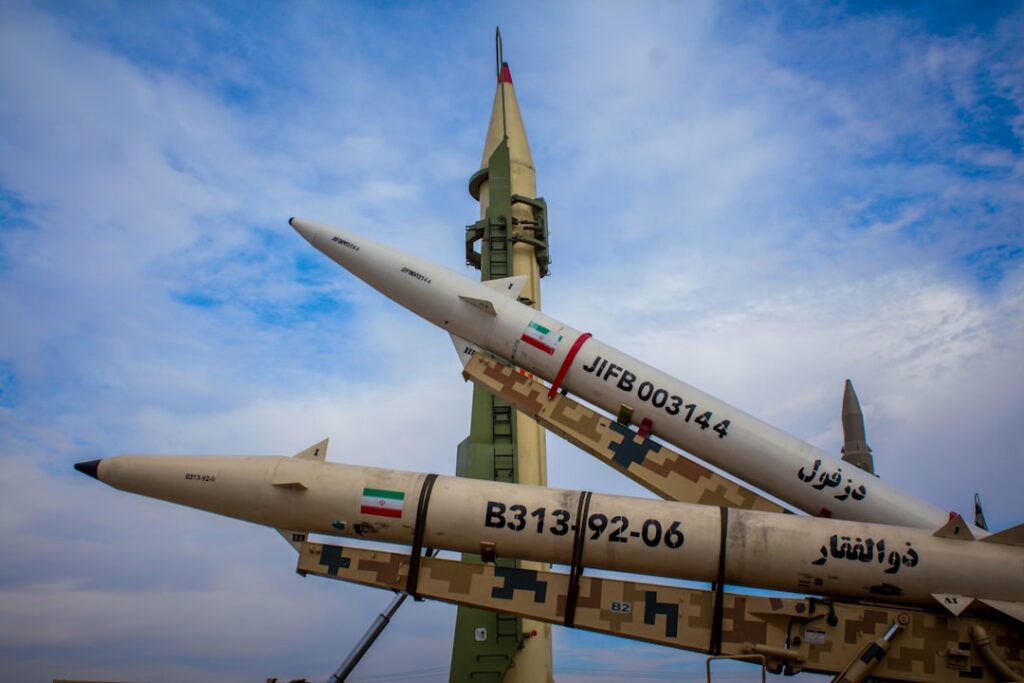
Geopolitical Tensions and Market Reactions
The Middle East is once again at the forefront of global economic concern. Recent escalations in Iran’s nuclear enrichment activities have sent shockwaves through financial markets, prompting investors to reassess their strategies amid rising geopolitical risks. The uncertainty surrounding Iran’s actions has heightened volatility in energy and defense sectors, which are crucial components of the global economy.
According to Knowledge at Wharton, the renewed tensions have led to a significant uptick in oil prices. As Iran’s nuclear ambitions come under scrutiny, fears of potential sanctions or military actions loom large, prompting many investors to seek safer assets and leading to a temporary flight from equities.
Moreover, the ripple effects of these tensions extend beyond oil prices. Sectors such as defense are experiencing increased interest, as governments may ramp up military spending in response to perceived threats. This shift in investor focus underscores how geopolitical events can directly influence market dynamics.
Federal Reserve’s Uncertain Policy Direction
Compounding the effects of geopolitical tensions is the Federal Reserve’s ambiguous policy stance. Recent communications from the Fed have left many investors puzzled about the future of interest rates. With inflationary pressures and economic growth concerns at play, the Fed’s next moves are critical for market stability.
As reported by Reuters, mixed signals from the Fed have led to fluctuations in market confidence. Investors are grappling with the implications of potential rate hikes amid ongoing economic uncertainty. The Fed’s decisions on interest rates will play a pivotal role in shaping investor sentiment in the coming months.
With inflationary pressures and economic growth concerns at play, the Fed’s next moves are critical for market stability.
This ambiguity has fostered an environment of caution among investors, many of whom are adopting a wait-and-see approach, contributing to market volatility. The intertwining of geopolitical factors and monetary policy creates a complex landscape for market participants.
Shifts in Investor Behavior
In light of these developments, investor behavior is evolving towards more defensive strategies. Investors are increasingly drawn to assets perceived as safe havens, such as gold and government bonds.
Data from the Federal Reserve indicates that during periods of geopolitical uncertainty, investors often pivot towards less volatile investments. This trend is evident as stock markets react to news from Iran and the Fed, with a desire for stability driving shifts in portfolio allocations.
Furthermore, the rise of AI-driven investment tools is influencing how investors respond to market changes. Many are leveraging technology to analyze risks and adjust their strategies in real-time, reflecting a broader trend towards data-driven decision-making.
Furthermore, the rise of AI-driven investment tools is influencing how investors respond to market changes.
Global Implications of Market Dynamics
The interplay between Iran’s actions and U.S. monetary policy has global implications. Countries that rely heavily on oil imports are particularly vulnerable to price fluctuations caused by tensions in the Middle East, which can lead to economic instability in regions dependent on stable energy prices.
According to Bloomberg, countries in Europe and Asia are closely monitoring the situation, concerned about the potential for increased energy costs to impact their economies. This interconnectedness highlights the importance of geopolitical stability for global economic health.

Moreover, trade relationships may be affected as countries reassess their positions in light of rising tensions, potentially leading to significant changes in global trade patterns and further complicating the economic landscape.
Contrasting Perspectives on Market Reactions
While many investors are adopting a cautious approach, there are contrasting perspectives on the potential outcomes of the current situation. Some analysts argue that the market’s reaction may be overblown, believing that diplomatic efforts could stabilize the situation and alleviate fears of military confrontation.
Contrasting Perspectives on Market Reactions While many investors are adopting a cautious approach, there are contrasting perspectives on the potential outcomes of the current situation.
However, others caution that the risks associated with Iran’s nuclear program are significant and warrant a more defensive stance. The debate centers on how much weight to give to geopolitical risks versus economic fundamentals, reflecting the complexity of the current market environment.
Additionally, the Federal Reserve’s role in this dynamic is under scrutiny. Some experts argue that the Fed should take a more proactive stance to mitigate the impacts of geopolitical risks on the economy, while others contend that the Fed must prioritize domestic economic growth over international concerns, leading to differing views on the appropriate policy response.
Written by Career Ahead AI. AI can make mistakes, so verify key facts. Report errors to support@careeraheadonline.com.