No products in the cart.

Mastering GPU Computing with CuPy and CUDA

Explore how CuPy simplifies GPU programming for Python developers, enabling high-performance computing through custom CUDA kernels and efficient memory management.

Navigating the GPU Landscape
GPU computing is revolutionizing high-performance computing. As applications demand increased processing power, developers are turning to efficient methods to leverage GPUs. CuPy has emerged as a leading solution, offering a familiar interface for Python users while harnessing the capabilities of NVIDIA’s CUDA architecture.
CuPy simplifies GPU programming with a NumPy-like API, allowing developers to write efficient and comprehensible code. Users can execute complex numerical computations faster than traditional CPU methods, making CuPy ideal for data-intensive tasks.
According to eunomia.dev, the rise of GPU computing is supported by advancements in both hardware and software, highlighting the need for tools that optimize performance and streamline development processes.
Leveraging CuPy and Custom CUDA Kernels
CuPy allows developers to write high-performance code without deep knowledge of CUDA programming, benefiting those less experienced with GPU architectures. It abstracts the complexities of CUDA while providing access to advanced features like custom kernels and memory management.
Custom CUDA kernels are crucial for maximizing GPU performance, enabling developers to tailor kernels to specific tasks for optimized execution speed and resource usage. This flexibility is essential for applications ranging from machine learning to scientific simulations.
This flexibility is essential for applications ranging from machine learning to scientific simulations.
Profiling tools are vital for identifying performance bottlenecks in GPU applications. CuPy includes features that allow developers to profile their code, helping them pinpoint areas for improvement and ensure efficient resource utilization.
Memory Management Strategies
Effective memory management is critical in GPU computing. CuPy’s memory pool system facilitates efficient allocation and deallocation of GPU memory, reducing overhead and enhancing performance. By managing memory intelligently, CuPy helps developers avoid common pitfalls associated with GPU programming.
Profiling performance is equally important. CuPy provides tools to measure execution time and memory usage, allowing developers to optimize their applications. Understanding how code performs on the GPU can lead to significant improvements in execution speed and efficiency.
Real-World Applications of CuPy
CuPy’s applications span various fields, including scientific computing, data analysis, and machine learning. In scientific research, CuPy accelerates simulations and data processing tasks, enabling researchers to analyze larger datasets more quickly.
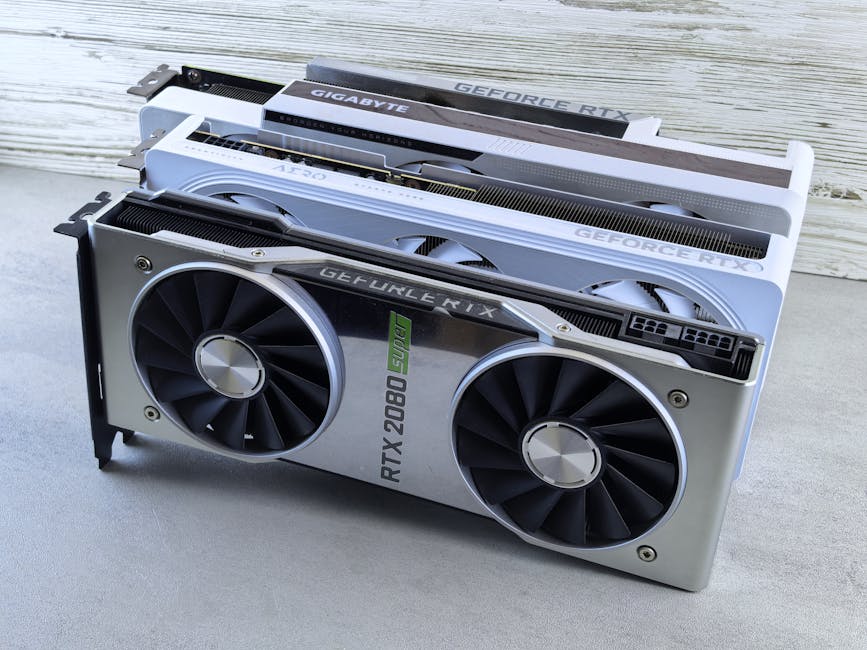
While CuPy simplifies many aspects, developers must grasp key concepts to fully optimize their applications.
Industries are increasingly adopting GPU computing to enhance data processing capabilities. CuPy’s user-friendly interface makes it accessible to a broader range of developers, allowing companies to leverage GPU power without extensive CUDA training.
Addressing Challenges in GPU Computing
Despite its advantages, GPU computing presents challenges, including a steep learning curve for understanding GPU architecture and programming. While CuPy simplifies many aspects, developers must grasp key concepts to fully optimize their applications.
You may also like
 Entrepreneurship & Business
Nike
Nike's recent sales slump has prompted its CEO to reconsider strategies, significantly impacting marketing and product management roles. Understanding the implications for consumer engagement and…
Read More →Performance gains from GPU computing can vary based on the specific task and implementation. Some applications may not benefit significantly from GPU acceleration, leading to debates about the cost-effectiveness of transitioning to GPU-based solutions.

Understanding when and how to leverage GPU computing is crucial for developers. The decision to adopt GPU technology should be based on a careful analysis of specific use cases and potential performance improvements.
Future Developments in CuPy
The future of CuPy appears promising as GPU computing gains traction. As hardware capabilities improve and more applications require high-performance computing, CuPy is well-positioned to evolve alongside these trends. Ongoing development will likely focus on enhancing performance, expanding functionality, and improving ease of use.
Future Developments in CuPy The future of CuPy appears promising as GPU computing gains traction.
As more developers adopt CuPy, community contributions will play a vital role in its growth. Open-source projects like CuPy benefit from user feedback and collaboration, driving innovation and expanding capabilities.
As industries increasingly rely on data-driven decision-making, the demand for tools that facilitate efficient data processing will rise. CuPy’s ability to bridge the gap between traditional programming and GPU acceleration makes it a valuable asset in this evolving landscape.