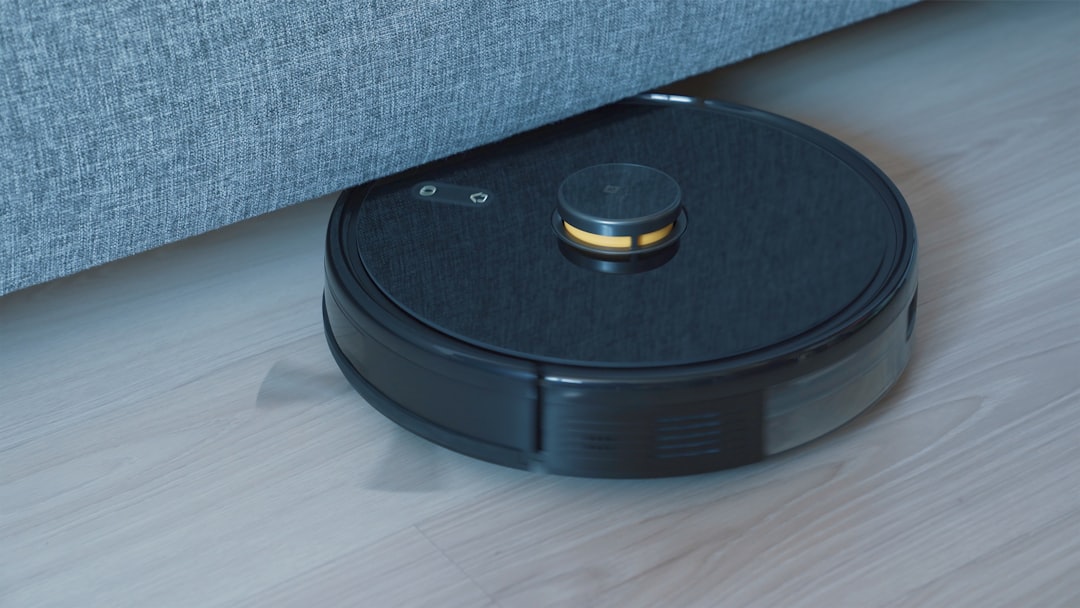
Matic will increase the price of its robot vacuum by $250 starting September 9, 2026, raising concerns about consumer accessibility in the smart home market.
Matic is set to increase the price of its popular robot vacuum by $250, effective September 9, 2026. The price will rise from $1,245 to $1,495, reflecting significant increases in component costs, including memory and other essential parts, which have reportedly risen tenfold. To soften this blow for consumers, Matic is offering a year’s supply of replacement bags valued at $96, alongside an extended return policy from 60 days to six months.
This price hike is significant for the smart home market, particularly as the demand for innovative home cleaning solutions continues to grow. Matic’s robot vacuum has been praised for its human-like navigation and ability to operate offline, distinguishing it from competitors. Such features have made it a favorite among consumers, but this new price point raises questions about its accessibility and the potential impact on consumer purchasing behavior. According to a report from The Verge, the price increase is a direct response to the escalating costs of production materials, which have been exacerbated by ongoing supply chain disruptions.
Impact on Consumer Demand for Smart Home Devices
The increase in price for Matic’s robot vacuum may lead to a shift in consumer sentiment regarding the value versus cost of smart home devices. As consumers weigh the benefits of advanced features against the rising costs, many may reconsider their purchasing decisions. Career Ahead’s analysis shows that consumers are increasingly looking for value in their purchases, especially in the face of rising inflation and economic uncertainty. This trend suggests that Matic’s price increase could deter potential buyers who might have otherwise invested in high-end cleaning technology.
Moreover, the timing of this price hike coincides with a broader trend in consumer electronics where manufacturers are adjusting prices due to increased production costs. According to data from the World Bank, global supply chain disruptions and rising material costs have significantly impacted the electronics sector. This situation may lead consumers to explore more budget-friendly alternatives rather than opting for premium products like Matic’s vacuum. A survey conducted by PwC indicates that nearly 70% of consumers are willing to switch brands if they find better value elsewhere, highlighting the potential risk Matic faces as it raises prices.
Retailers may also need to adapt their strategies in light of this price increase. Many retailers in the smart home sector have relied on the popularity of Matic’s products to drive sales. With the new price point, retailers may find themselves needing to reassess their inventory strategies and pricing models to remain competitive. For instance, they might emphasize promotions on lower-priced alternatives or bundle products to maintain consumer interest. As noted by Bing News, retailers are likely to face challenges in selling competing products at lower price points, which may lead to a reevaluation of their marketing tactics.
Retailers may also need to adapt their strategies in light of this price increase.
As a result, Matic’s price increase not only influences individual purchasing decisions but also impacts the overall dynamics of the smart home market. Consumers may turn to other brands that offer similar features at lower prices, leading to increased competition among manufacturers. This shift could ultimately reshape the landscape of smart home devices, as companies strive to balance quality and affordability. The increased competition may also spur innovation, as brands seek to differentiate themselves in a crowded marketplace.
Retail Pricing Strategies in Response to Matic’s Price Hike
As Matic raises its robot vacuum price, retailers will need to rethink their pricing strategies. With the cost of Matic’s vacuum now at $1,495, retailers may face challenges in selling competing products at lower price points. Career Ahead research finds that consumers are often influenced by perceived value and brand reputation when making purchasing decisions, which means retailers must carefully position their offerings to attract buyers.
Retailers may consider implementing promotional strategies to counteract the price increase. This could include special discounts, bundled offers, or financing options that make products more accessible to budget-conscious consumers. For example, retailers could offer financing plans that allow consumers to pay for the vacuum over time, making the higher price tag more palatable. Additionally, retailers might enhance their marketing efforts to highlight the unique features of competing products. By emphasizing attributes such as energy efficiency, ease of use, and maintenance costs, retailers can differentiate their offerings and appeal to consumers who are hesitant about spending more on Matic’s vacuum.
Furthermore, retailers may also explore partnerships with manufacturers to create exclusive product lines or limited-time offers that can draw consumer interest. By collaborating with brands that provide similar technology at a lower cost, retailers can establish themselves as go-to destinations for affordable smart home solutions, potentially offsetting the impact of Matic’s price hike. This approach not only helps retailers maintain sales volumes but also fosters a competitive environment that encourages innovation across the industry.
Ultimately, how retailers respond to Matic’s price increase will be critical in shaping their success in the evolving smart home market. Adapting to consumer preferences and market conditions will be essential for maintaining competitiveness in a landscape increasingly influenced by price sensitivity. As noted by The Verge, the ripple effects of Matic’s decision may lead to a broader reevaluation of pricing strategies across the smart home sector, as companies grapple with the implications of rising costs and shifting consumer expectations.
Divergent Technologies is set to revolutionize defense manufacturing through advanced technologies like 3D printing, aiming to enhance efficiency and reduce costs.
Ultimately, how retailers respond to Matic’s price increase will be critical in shaping their success in the evolving smart home market.
Looking ahead, the impact of Matic’s price increase will be closely watched. With rising costs affecting the entire electronics sector, how consumers and retailers respond may set the tone for future developments in the smart home market. As consumer sentiment continues to evolve, manufacturers like Matic may need to consider future adjustments to their pricing strategy or product offerings to stay relevant in this increasingly competitive landscape.
Frequently Asked Questions
What features justify the price increase of Matic’s robot vacuum?
Matic’s robot vacuum includes advanced navigation capabilities, a self-cleaning roller mop, and the ability to operate offline. These features have been highlighted as key selling points that differentiate it from competitors, but the price hike raises questions about whether consumers will perceive these features as worth the additional cost.
How should retailers adjust their pricing strategies in response to Matic’s price hike?
Retailers may need to implement promotional strategies, such as discounts or financing options, to attract consumers who are deterred by Matic’s price increase. Emphasizing the unique features of competing products can also help retailers maintain sales volumes in a changing market.
What alternatives to Matic’s robot vacuum are available at lower price points?
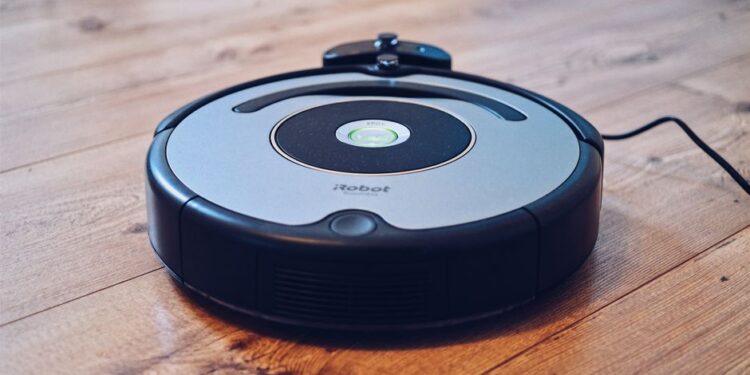
There are several alternatives on the market that offer similar features at lower prices, such as the Roomba and Eufy models. These products may appeal to budget-conscious consumers who are looking for effective cleaning solutions without the higher price tag of Matic’s vacuum.



Industry & Global Trends
Industry & Global Trends