No products in the cart.

Fintech Valuations Stall Post-Acquisition
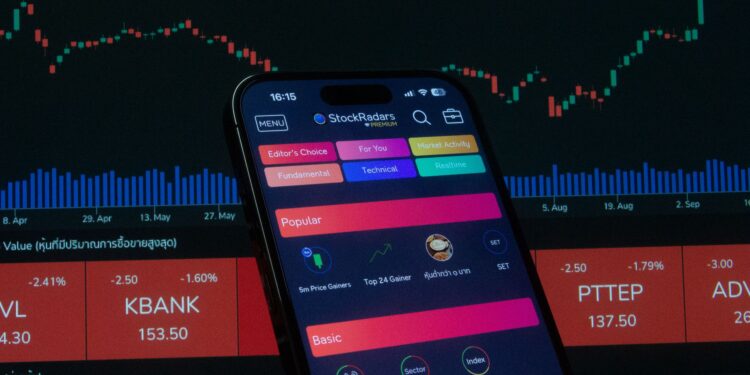
Fintech valuations often tumble after acquisition due to a structural mismatch between integration demands and growth engines, a pattern we term the Acquisition Integration Paradox.

Acquired fintechs often see their market caps shrink faster than startups that stay independent, even when the purchase price reflects a premium.
The Acquisition Integration Paradox
The most common explanation for post-acquisition valuation erosion is a mismatch between the acquiring firm’s integration agenda and the fintech’s growth engine. Acquirers typically prioritize cost synergies, legacy system harmonization, and risk compliance, while fintechs thrive on rapid product iteration, data-driven experimentation, and a culture of “move fast.” The paradox emerges when the very levers that create short-term financial discipline simultaneously blunt the innovative edge that justified the original premium.
Our analysis shows that the paradox is not a one-off anomaly but a structural pattern. When a bank absorbs a payments startup, the new unit is often forced into the bank’s governance framework within the first twelve months, curtailing the startup’s ability to launch new features without multiple approvals. The resulting slowdown in product velocity translates into a slower top-line trajectory, which investors read as a loss of growth potential, prompting a re-rating of the firm’s valuation.
Our view is that the era of prioritizing growth above all else is coming to an end, and investors now demand proof of sustainable earnings rather than headline-grabbing user metrics. Consequently, the integration paradox creates an asymmetry between the acquirer’s short-term cost focus and the fintech’s long-term value creation, a tension that erodes valuation momentum.
Growth Multiple Mirage: the bubble that bursts

Fintech valuations have long been inflated by multiples that assume perpetual expansion. In 2025, the sector’s aggregate deal value hit its lowest point, yet the following year recorded a significant increase in deal value. The surge was driven more by a competitive frenzy than by underlying fundamentals.
Our view is that the era of prioritizing growth above all else is coming to an end, and investors now demand proof of sustainable earnings rather than headline-grabbing user metrics.
The mirage becomes evident when the raw deal count is examined. Fintech deal volume declined in Q1 ’26, signaling that investors are becoming more selective, scrutinizing whether the premium paid can be justified through post-integration earnings. When the premium is based on a growth multiple that cannot survive the integration drag, the valuation inevitably contracts.
You may also like
 Industry & Global Trends
HFCL Stock Rises Amid AI, Defence Demand
HFCL's stock has tripled in the last six months, driven by a surge in orders for artificial intelligence and defence, indicating a growing demand for…
Read More →Our view is that the multiple mirage is a self-reinforcing loop: inflated purchase prices raise expectations for rapid scaling, integration frictions impede that scaling, and the resulting under-performance forces a valuation correction. The loop persists until the market re-aligns multiple expectations with realistic post-acquisition growth paths.
Regulatory and cultural asymmetries
Beyond internal integration, external constraints amplify the valuation decline. Fintechs operate in a regulatory environment that is both fragmented and rapidly evolving. When an acquisition brings the fintech under the umbrella of a larger, heavily regulated institution, compliance obligations multiply. The need to satisfy multiple jurisdictional requirements often stalls product launches and forces resource reallocation toward legal and compliance teams.
Cultural clashes compound the regulatory burden. Fintechs typically foster flat hierarchies and data-centric decision-making, while traditional financial institutions rely on layered approvals and risk-averse mindsets. The resulting friction not only delays execution but also erodes talent retention, as key engineers and product managers depart for more agile environments. The loss of human capital further diminishes the acquired firm’s ability to meet the growth forecasts embedded in the acquisition price.
AI-driven resilience: when the paradox is mitigated
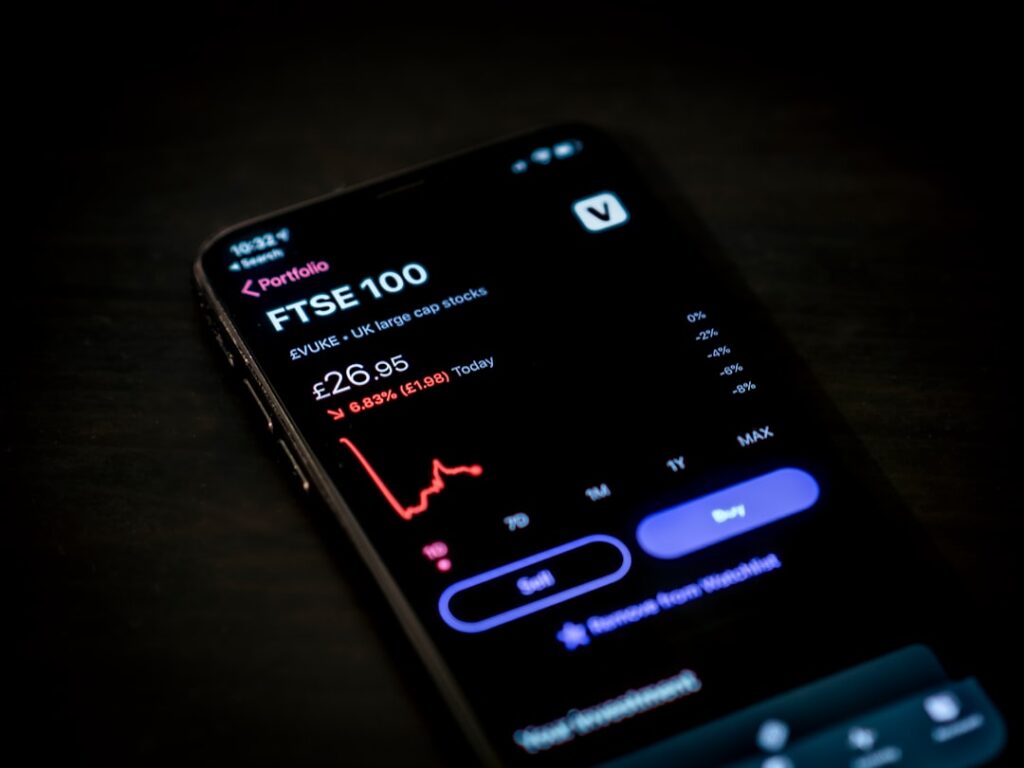
A subset of fintechs—those whose core offerings are AI-enabled financial services—demonstrate a higher propensity to preserve valuation momentum after acquisition. AI platforms provide immediate, quantifiable efficiency gains for the acquirer, such as automated underwriting, fraud detection, and personalized recommendation engines. These tangible benefits create a clearer path to cost savings and revenue uplift, aligning the acquirer’s short-term priorities with the fintech’s long-term innovation agenda.
When an acquiring bank integrates an AI-centric fintech, the integration roadmap can be reframed around data pipeline consolidation rather than product overhaul. This alignment reduces the cultural shock and shortens the time to realize synergies, thereby sustaining investor confidence and stabilizing valuation.
The loss of human capital further diminishes the acquired firm’s ability to meet the growth forecasts embedded in the acquisition price.
Our editorial stance is that career-focused professionals in fintech should view the acquisition landscape through the lens of the Acquisition Integration Paradox. Understanding where the paradox is likely to be amplified—or mitigated by AI capabilities—provides a strategic compass for navigating post-deal career trajectories and for advising firms on structuring deals that preserve long-term value.
The persistent erosion of fintech valuations after acquisition is not merely a market quirk; it is the predictable outcome of a structural asymmetry between integration imperatives and growth engines. Recognizing and addressing this paradox is essential for preserving both corporate value and professional momentum.
You may also like
 Industry & Global Trends
Wall Street’s $10 billion India hospital bet sparks a fight over bills | Career Outlook
Wall Street's $10 billion investment in Indian hospitals raises concerns about rising healthcare costs and access to care, mirroring challenges in the U.S. healthcare system.
Read More →The path forward lies in designing acquisition frameworks that respect the fintech’s innovation cadence while delivering measurable synergies, thereby aligning expectations and sustaining valuation trajectories.