No products in the cart.

Mumbai Implements Citywide Water Rationing Amid Prolonged Drought
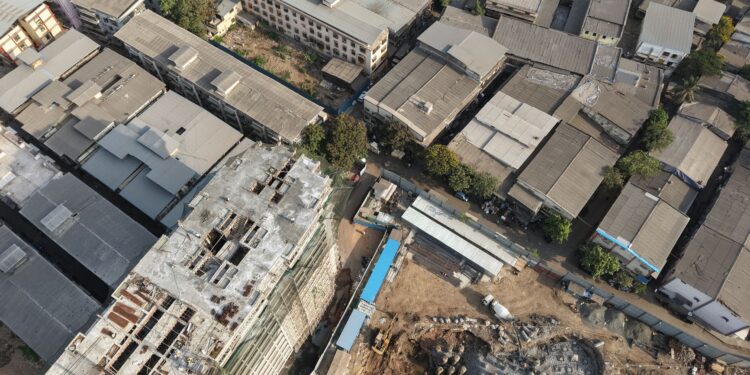
Mumbai’s municipal authorities have begun a citywide water‑rationing schedule to curb consumption as reservoir levels fall below 30 percent of capacity.

Mumbai’s municipal authorities have begun a citywide water‑rationing schedule to curb consumption as reservoir levels fall below 30 percent of capacity. The plan restricts supply to designated hours for residential, commercial and industrial users until the onset of the monsoon.
The Municipal Corporation of Greater Mumbai (MCGM) announced the activation of a water‑rationing plan on 12 June 2026 in response to a multi‑year drought that has reduced the city’s primary water sources to historically low levels [1]. The schedule, which will remain in effect until the monsoon season traditionally begins in early June and lasts through September, limits municipal tap water to two‑hour windows per day for most households and imposes stricter curbs on commercial and industrial consumers [2].
The directive covers the entire jurisdiction of the Brihanmumbai Municipal Corporation (BMC), encompassing all residential neighborhoods, business districts and manufacturing zones within the city’s 603 square‑kilometre limits [3]. Adjacent municipalities in the Mumbai Metropolitan Region, including Thane and Navi Mumbai, have been advised to adopt similar measures as they experience comparable reservoir deficits [4].
Implementation Details and Timeline
The rationing schedule assigns water‑supply windows based on the last digit of a consumer’s meter number. Households with meters ending in 0‑1 receive water from 04:00 to 06:00, while those ending in 2‑3 receive it from 06:00 to 08:00, and so forth, rotating through the 24‑hour day [5]. Commercial establishments classified as “essential services” (hospitals, schools, data centres) receive a continuous supply, whereas non‑essential businesses such as retail outlets and restaurants are limited to four hours per day, split into two‑hour morning and evening slots [6].
The BMC has instituted a penalty framework that levies fines of up to ₹5,000 per 1,000 litre excess usage beyond allotted quotas, with repeat violations subject to service disconnection after a three‑strike warning [7]. Water tankers are being deployed to critical zones, including slum areas with limited storage capacity, to mitigate short‑term shortages [8].
The BMC has instituted a penalty framework that levies fines of up to ₹5,000 per 1,000 litre excess usage beyond allotted quotas, with repeat violations subject to service disconnection after a three‑strike warning [7].
Authorities and Stakeholders
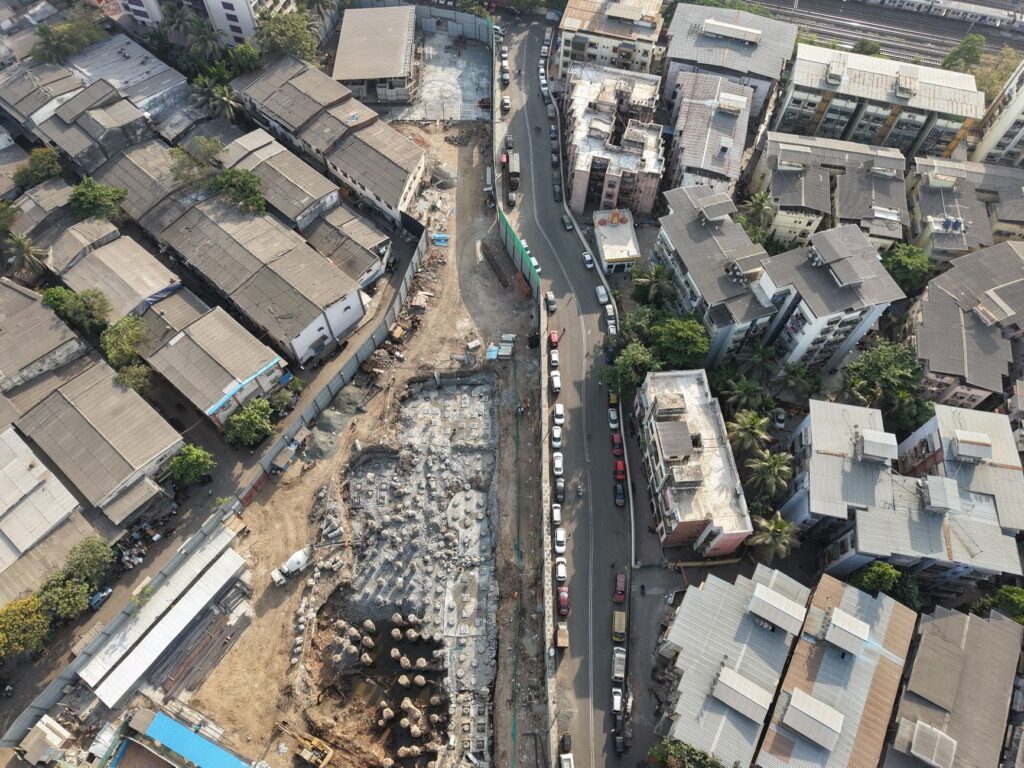
The water‑rationing plan is coordinated by the MCGM’s Water Supply and Sewerage Department in conjunction with the Maharashtra State Water Resources Department, which monitors reservoir inflows and forecasts monsoon arrival [9]. The state government’s Chief Minister, Shri Eknath Shinde, endorsed the plan in a televised briefing, emphasizing that “conservation now safeguards the city’s water security for the coming months” [10].
You may also like
 News
NewsIIT Madras Director Disguises Himself as Freshman; IIT Bombay Director Speaks at TechEDU Summit; IIT Indore Announces Innovation-Focused Strategy
Kamakoti participated in a freshman orientation incognito, a video of which went viral.
Read More →Key stakeholders include the Mumbai Residents’ Welfare Association, the Federation of Indian Chambers of Commerce & Industry (FICCI) Mumbai chapter, and the Maharashtra Industrial Development Corporation (MIDC). The Residents’ Welfare Association submitted a petition requesting extended supply windows for high‑density housing blocks, while FICCI has urged the BMC to provide clear guidelines for water‑intensive industries such as textiles and petrochemicals [11][12].
Public and Business Response
Initial surveys conducted by the Indian Institute of Public Health (IIPH) indicate that 68 percent of surveyed households are aware of the rationing schedule, with 42 percent reporting concerns about reduced water availability for daily hygiene and cooking [13]. The BMC has launched a public‑information campaign via SMS alerts, local radio, and multilingual flyers to ensure compliance across the city’s linguistically diverse population [14].
Industrial users have begun implementing water‑recycling systems to stay within allotted limits. The Tata Power plant in Bhandup reported a 15 percent reduction in freshwater intake after installing on‑site reverse‑osmosis units, citing the rationing policy as a catalyst for operational efficiency upgrades [15]. Small‑scale businesses, particularly in the hospitality sector, are adjusting operating hours to align with water‑supply windows, potentially affecting revenue streams during the rationing period [16].
Immediate Impact on Residents and Industries
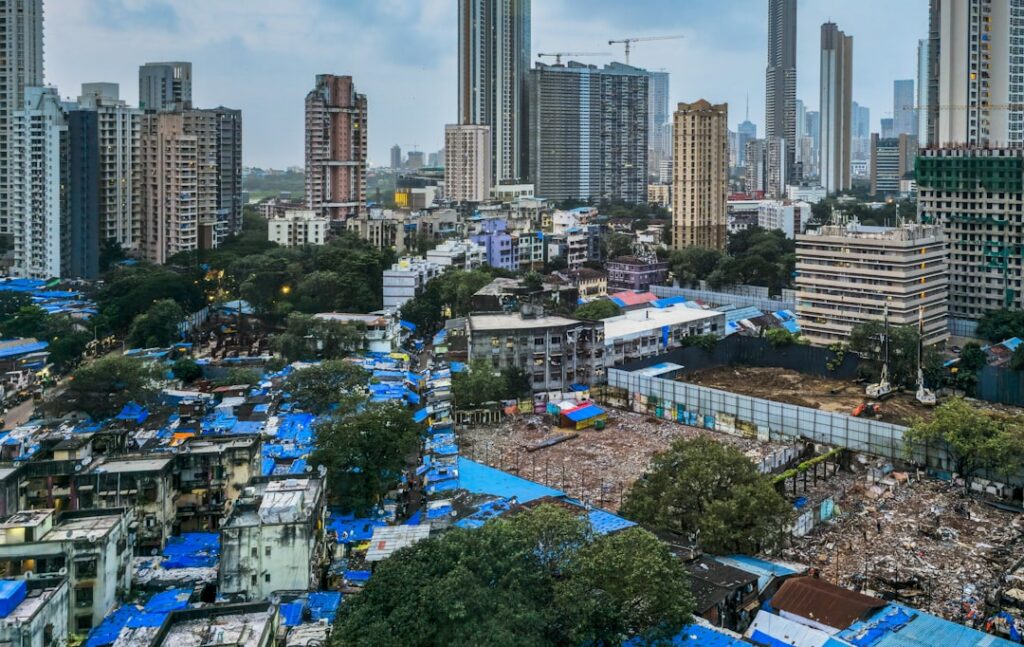
For residents, the rationing plan translates into a daily two‑hour tap water supply, prompting many households to purchase storage containers and increase reliance on groundwater wells, where permissible [17]. The BMC has warned that illegal well drilling will be monitored and penalized to prevent further depletion of aquifers [18].
Small‑scale businesses, particularly in the hospitality sector, are adjusting operating hours to align with water‑supply windows, potentially affecting revenue streams during the rationing period [16].
Commercial entities face operational constraints, especially those dependent on continuous water flow, such as food‑processing units and car‑wash services. The BMC’s penalty regime aims to incentivize water‑saving technologies, with a reported 22 percent increase in applications for water‑efficiency retrofits since the plan’s announcement [19].
You may also like
 News
NewsSingapore’s Digital Banking Expansion Extends Into Education Sector
Singapore’s digital banking expansion is prompting formal collaborations with schools and universities to embed fintech competencies into curricula.
Read More →The broader impact includes heightened scrutiny of Mumbai’s water‑management infrastructure. City planners are reviewing long‑term strategies, including rainwater harvesting mandates and the expansion of desalination capacity, to reduce reliance on monsoon‑dependent reservoirs [20].
Key Facts
What: Mumbai’s municipal authorities have enacted a citywide water‑rationing schedule to address critically low reservoir levels.
When: The plan began on 12 June 2026 and will remain in effect until the monsoon season, expected to start in early June and continue through September.
Impact: Residents receive limited daily water windows; businesses must adjust operations and may face fines for excess use, prompting immediate water‑conservation measures.
Impact: Residents receive limited daily water windows; businesses must adjust operations and may face fines for excess use, prompting immediate water‑conservation measures.
You may also like
 News
NewsIndia’s Prime Minister Narendra Modi Launches Instagram Campaign to Reach Young Voters
Prime Minister Narendra Modi began posting raw‑style Instagram reels on August 6, 2026, targeting India's Gen Z electorate after youth job protests.
Read More →Sources
- Mumbai Rationing Plan Launched Amid Drought – The Times of India
- BMC Announces Water Supply Schedule for Residents – Indian Express
- Maharashtra State Water Resources Department Bulletin – June 2026 – Maharashtra Government
- Resident Welfare Association Petition on Water Supply – Mumbai Residents’ Forum
- FICCI Mumbai Calls for Clear Industry Guidelines – FICCI Press Release
- IIPH Survey on Public Awareness of Water Rationing – Indian Institute of Public Health
- Tata Power Reduces Freshwater Intake with New RO Units – Business Standard
- Mumbai Water Penalty Framework Details – BMC Official Gazette