No products in the cart.

NASA’s Artemis II Mission: A New Era for Lunar Exploration
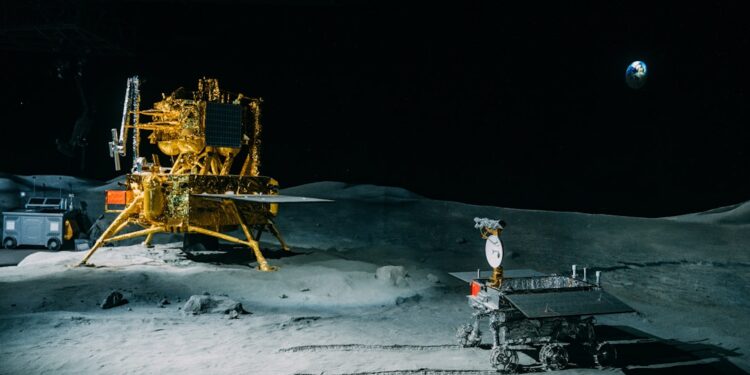
NASA's Artemis II mission successfully launched, sending four astronauts toward the Moon. This marks a pivotal moment in lunar exploration and future space careers.

The Artemis II mission marks a significant milestone in space exploration. NASA launched four astronauts toward the Moon on April 1, 2026, for the first crewed lunar mission in over 50 years. This historic flight is part of NASA’s broader Artemis program, which aims to return humans to the Moon by 2028 and eventually establish a sustainable presence there.
The crew, consisting of Reid Wiseman, Victor Glover, Christina Koch, and Canadian astronaut Jeremy Hansen, will orbit the Moon aboard the Orion spacecraft. This ten-day mission is a critical step in testing the capabilities of the Space Launch System (SLS) rocket and the Orion capsule, paving the way for future lunar exploration and potential missions to Mars.
Why does this matter now? The Artemis II mission represents not just a leap for NASA but also a significant moment for the global space industry. As nations and private companies invest in space exploration, the implications for careers in this sector are profound.
Why Artemis II Matters for Global Space Exploration
The Artemis II mission is the first crewed flight of the SLS, a rocket designed to carry astronauts beyond low Earth orbit. According to NASA, the SLS is the most powerful rocket ever built, with the ability to carry larger payloads and support longer missions than previous rockets. This capability is crucial for future missions aimed at establishing a human presence on the Moon and beyond.
The mission’s significance extends beyond technical achievements. It symbolizes a renewed commitment to human space exploration. NASA’s previous lunar missions were part of the Apollo program, which concluded in the early 1970s. The Artemis program aims to build on that legacy, not only by returning humans to the Moon but also by fostering international partnerships and collaborations in space exploration.
This capability is crucial for future missions aimed at establishing a human presence on the Moon and beyond.
You may also like
 Entrepreneurship & Business
Bajaj Finance set to mop up Rs 17,500 crore via QIP, warrants
Bajaj Finance plans to raise ₹17,500 crore through a qualified institutional placement (QIP) and warrants, marking its first major capital raise since November 2023. This…
Read More →Moreover, the Artemis II mission serves as a platform for testing new technologies that will be essential for future missions. The Orion spacecraft will be tested for life support systems, navigation, and communication capabilities. These advancements will be vital for upcoming missions, including the goal of sending astronauts to Mars in the 2030s.
As nations around the world ramp up their space programs, the Artemis II mission highlights the importance of collaboration. According to NASA, partnerships with international space agencies and private companies are crucial for the success of the Artemis program. This collaborative approach not only enhances the capabilities of space missions but also creates opportunities for knowledge sharing and innovation.
The Artemis II mission is also a beacon for aspiring space professionals. With the space industry expanding, new job opportunities are emerging. Roles in engineering, science, and technology are in high demand, and organizations are increasingly looking for talent with diverse backgrounds and skills.
As a result, educational institutions are adapting their programs to prepare the next generation of space leaders. Universities are offering specialized degrees in aerospace engineering, astrophysics, and space policy. Online courses and boot camps are also gaining popularity, providing flexible learning options for those looking to enter the field.
This shift in education and training reflects the evolving landscape of the space industry. As the Artemis II mission demonstrates, the future of space exploration is not just about rockets and spacecraft; it’s also about the people who will drive these missions forward.
As the demand for skilled professionals rises, understanding what this means for your career trajectory is essential.
How Artemis II Will Shape Careers in Space
The implications of the Artemis II mission on careers in the space industry are significant. As the demand for skilled professionals rises, understanding what this means for your career trajectory is essential. Here’s a breakdown:
You may also like
 Entrepreneurship & Business
Zoho Arattai Challenges WhatsApp Business Pricing | Career Outlook
Arattai for Business is designed to facilitate communication within organizations and with customers. According to Zoho's founder, Sridhar Vembu, the platform not only supports messaging…
Read More →- Entry-Level Positions: For recent graduates, the Artemis program opens doors to internships and entry-level roles in various capacities. Companies are seeking candidates with hands-on experience in engineering and technology, often gained through internships or co-op programs.
- Mid-Career Opportunities: Professionals with experience in aerospace or related fields can find new opportunities in project management and leadership roles. The Artemis program’s expansion will require experienced personnel to oversee complex missions and coordinate between teams.
- Career Switchers: For those looking to transition into the space sector, the Artemis II mission highlights the importance of transferable skills. Fields such as data analysis, software development, and project management are increasingly relevant in the space industry.
Positioning Yourself for Opportunities in Space
As the Artemis II mission unfolds, there are actionable steps you can take to position yourself for a career in the space industry:
- Expand Your Skill Set: Consider enrolling in courses related to aerospace engineering, robotics, or data science. Institutions like MIT and Stanford offer online courses that can enhance your qualifications.
- Network within the Industry: Join professional organizations such as the American Institute of Aeronautics and Astronautics (AIAA) or attend industry conferences. Networking can lead to mentorship opportunities and job referrals.
- Stay Informed: Follow developments in the space sector through reputable sources like NASA, Space.com, and industry publications. Understanding current trends can help you identify potential job opportunities.
- Engage in Community Projects: Participate in local STEM initiatives or volunteer with organizations focused on space education. This not only builds your resume but also demonstrates your commitment to the field.
However, experts warn that while the Artemis II mission is a significant step, the sustainability of such ambitious programs is uncertain. A recent report from the National Academy of Sciences highlights that the funding for ongoing lunar missions may face challenges as political priorities shift. It’s essential for aspiring space professionals to remain adaptable and aware of the changing landscape.
The Future of Lunar Missions Beyond Artemis II
The Artemis II mission is just the beginning. As NASA continues to develop its Artemis program, the future of lunar exploration looks promising. The goal is to establish a sustainable human presence on the Moon by the end of the decade, which will serve as a launchpad for missions to Mars.

The Future of Lunar Missions Beyond Artemis II The Artemis II mission is just the beginning.

Looking ahead, the space industry is likely to see increased collaboration between government agencies and private companies. This partnership model will drive innovation and efficiency, leading to faster advancements in technology and exploration capabilities.
As the Artemis II mission demonstrates, the future of space exploration is bright. The next generation of space professionals will have unprecedented opportunities to shape the industry. Are you ready to be part of this exciting journey into the cosmos?
You may also like
 Entrepreneurship & Business
Nscale Hires Meta’s Justin Osofsky to Be COO Ahead of IPO
Nscale has appointed Justin Osofsky as COO, leveraging his extensive experience from Meta to enhance operational efficiency ahead of its IPO. This strategic hiring reflects…
Read More →