NASA is set to launch a nuclear-powered spacecraft to Mars by 2028. This mission could redefine space exploration and has significant implications for technology and international competition.
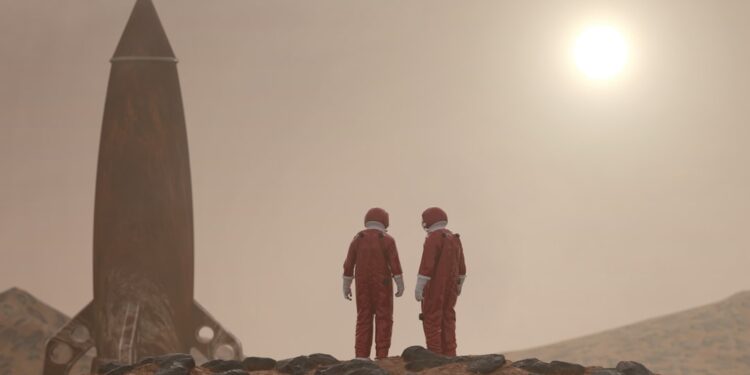
Nuclear power is on the verge of transforming space exploration. NASA’s ambitious plan to send a nuclear-powered spacecraft to Mars by 2028 marks a pivotal moment in the history of space travel. This mission not only aims to enhance our capabilities in interplanetary travel but also positions the United States at the forefront of a new era of space exploration amid rising global competition.
The significance of this mission extends beyond mere technological advancement. It symbolizes a strategic move in the geopolitical landscape, particularly as nations increase their own space ambitions. With the unveiling of this nuclear spacecraft, NASA is not just looking to explore Mars; it is also signaling its intent to lead in the space race.
Nuclear Thermal Propulsion: A Game Changer
NASA’s plan involves developing a nuclear thermal propulsion system, which could drastically reduce travel time to Mars. Traditional chemical rockets take about six to nine months to reach the Red Planet. In contrast, a nuclear-powered spacecraft could cut that time significantly, potentially to just three to four months. This advancement could make manned missions to Mars more feasible and sustainable.
Experts suggest that nuclear propulsion systems could also enable more ambitious missions, such as crewed missions to the outer planets or even beyond our solar system. According to a report by MIT Technology Review, this technology could pave the way for longer and more complex missions, enhancing our understanding of the universe.
However, the technical challenges are substantial. Developing a reliable nuclear reactor that can operate in the harsh conditions of space is no small feat. NASA has been collaborating with various organizations and experts to address these challenges, aiming to ensure safety and reliability in the spacecraft’s design.
Moreover, the political and public perception of nuclear energy plays a crucial role in this mission.
Moreover, the political and public perception of nuclear energy plays a crucial role in this mission. While nuclear power is often seen as a controversial topic on Earth due to safety concerns, its potential in space travel offers a different perspective. Proponents argue that the benefits of nuclear propulsion far outweigh the risks, especially when considering the long-term goals of human space exploration.
International Competition and Collaboration
The race to Mars is not just a matter of scientific curiosity; it is deeply intertwined with national pride and international relations. As NASA gears up for its nuclear mission, other countries are also making significant strides in their own space programs.
Nscale has appointed Justin Osofsky as COO, leveraging his extensive experience from Meta to enhance operational efficiency ahead of its IPO. This strategic hiring reflects…
Analysts suggest that the global competition in space exploration is intensifying, with countries investing heavily in technology and infrastructure. This competition raises questions about collaboration versus rivalry in space. The potential for shared international missions exists, but national interests often complicate these discussions.
Furthermore, the implications of nuclear-powered spacecraft extend beyond exploration. The technology developed for these missions could have applications on Earth, particularly in energy generation and environmental sustainability. As nations explore the possibilities of nuclear power in space, they may also reconsider its role in addressing climate change and energy needs back home.
Future Missions and Technological Integration The future of space exploration is poised for transformation with the advent of nuclear technology.
However, the debate surrounding nuclear technology is contentious. Critics argue that the risks associated with launching nuclear materials into space could have catastrophic consequences in the event of an accident. This concern is particularly relevant given the increasing frequency of space missions and the potential for failures during launch or operation.
Future Missions and Technological Integration
The future of space exploration is poised for transformation with the advent of nuclear technology. As NASA prepares to launch its nuclear spacecraft, the implications for future missions are profound. Success in this endeavor could lead to more ambitious projects, including potential colonization efforts on Mars and beyond.
Moreover, the integration of artificial intelligence in spacecraft design and operation is becoming increasingly relevant. AI could play a crucial role in optimizing mission parameters, managing resources, and enhancing safety protocols. The intersection of AI and nuclear technology could yield unprecedented advancements in how we approach space exploration.
Looking ahead, the challenges of public perception and international collaboration will need to be addressed. Building a consensus on the use of nuclear technology in space will be vital for its acceptance. Engaging the public in discussions about the benefits and risks of nuclear propulsion could foster a more informed dialogue.
For young professionals and students interested in careers in aerospace and engineering, this mission presents exciting opportunities.
Amazon has expanded its ultra-fast delivery service, Amazon Now, to over 120 cities in India, doubling its reach in just two weeks. This growth signifies…
The potential for nuclear-powered spacecraft to revolutionize space travel is immense. As we stand on the cusp of this new era, the outcomes of NASA’s mission will not only shape our understanding of the universe but also redefine our approach to technology and international relations.
For young professionals and students interested in careers in aerospace and engineering, this mission presents exciting opportunities. The demand for skilled workers in these fields is expected to grow as space exploration continues to expand. Engaging with emerging technologies and understanding their implications will be crucial for those looking to make an impact in the future of space exploration.



 Entrepreneurship & Business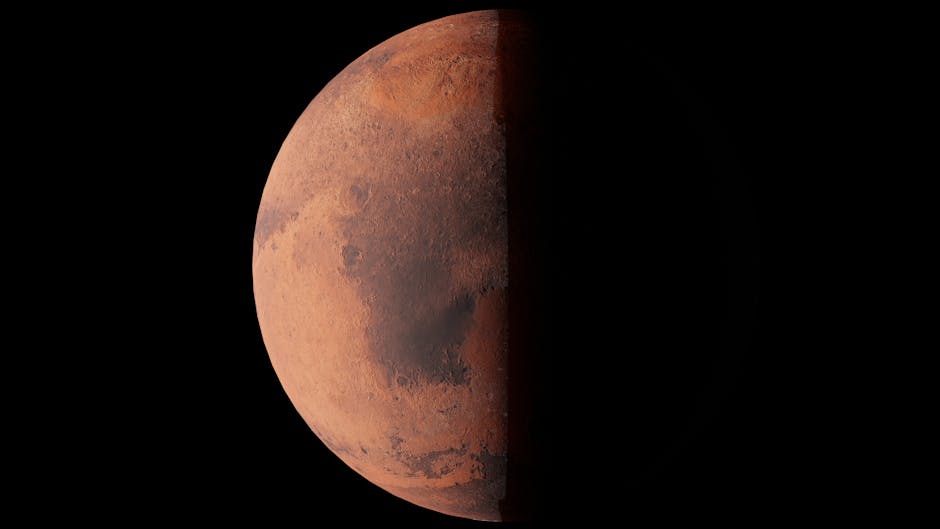
Entrepreneurship & Business