No products in the cart.

Navigating the Art of Managing Up

Managing up can enhance workplace communication and relationships. Explore effective strategies to do so without feeling manipulative.

Chicago, USA — In the intricate web of workplace dynamics, the ability to manage up is an essential skill. This concept, often misunderstood, is about effectively communicating with supervisors and managers without feeling manipulative. As workplaces evolve, mastering this art can not only foster better relationships but also pave the way for career advancement.
The term ‘managing up’ refers to the proactive approach of influencing your boss’s actions and decisions. It’s not just about making your own work easier; it’s about aligning your goals with those of your manager, ensuring that both parties can achieve success together. The challenge lies in doing this authentically, without coming off as insincere or self-serving.

Understanding the dynamics of your workplace is crucial. According to a study by Gallup, 70% of employee engagement is influenced by their manager’s ability to create an environment of trust and respect [1]. This statistic underscores the importance of positive communication. To start, it’s vital to develop a deep understanding of your manager’s priorities and pressures. Regularly check in to clarify their expectations and how you can align your work with their goals.
One effective strategy for managing up is the art of active listening. When you engage in conversations with your supervisor, focus on understanding their perspective. Paraphrase their points to show you are listening and value their insights. This approach not only helps in building rapport but also allows you to tailor your contributions to better meet their needs.
Additionally, providing regular updates on your work can significantly enhance your relationship with your manager. By keeping them informed, you demonstrate accountability and initiative. However, it’s essential to balance the frequency of these updates; too many can be overwhelming, while too few can lead to disengagement. Finding the right balance is key.
Feedback is another cornerstone of effective upward management.
Feedback is another cornerstone of effective upward management. Requesting constructive feedback signals your willingness to grow and adapt. When you receive feedback, respond positively, showing appreciation for their insights. This creates a culture of open communication, where both you and your manager can thrive.
You may also like
 Career Guidance
4,000 Students Connect with 85 Recruiters at AVASAR 2026
The University of Delhi's AVASAR 2026 placement drive will connect over 4,000 students with more than 85 recruiters, highlighting the growing demand for skilled graduates…
Read More →However, the approach to managing up can vary based on individual personalities and workplace cultures. For instance, in a high-pressure environment like Wall Street, assertiveness might be more appreciated than in a collaborative setting like a non-profit organization. Adaptability is crucial; gauge your manager’s style and adjust your approach accordingly.
Moreover, emotional intelligence plays a significant role in managing up. Recognizing and understanding your own emotions, as well as those of your supervisor, can enhance communication. According to a report from the World Economic Forum, emotional intelligence is among the top skills required for the future workforce [2]. By developing this skill, you can navigate challenging conversations more effectively.
On the flip side, it’s essential to be aware of potential pitfalls. Over-managing up can lead to perceptions of manipulation. It’s crucial to maintain authenticity. Ensure your motives are aligned with the broader objectives of your team and organization. Transparency in your intentions helps in establishing trust.
Another common mistake is failing to recognize the importance of boundaries. While managing up, it’s vital to maintain professionalism and not overstep your role. Respect your manager’s authority while also asserting your own ideas and contributions. This balance is crucial in fostering a healthy working relationship.
Additionally, consider leveraging technology to enhance your communication. Tools like project management software can keep your manager updated on your progress without the need for constant check-ins. This not only streamlines communication but also showcases your organizational skills.
According to a report from the World Economic Forum, emotional intelligence is among the top skills required for the future workforce [2].
As remote work gains traction, managing up has also evolved. Virtual communication requires different strategies. Utilize video calls to foster personal connections and ensure clarity in your communications. Being proactive in scheduling these calls can show your commitment to maintaining a strong working relationship, even from a distance.
Looking ahead, the ability to manage up will only grow in importance as workplaces continue to evolve. With the rise of hybrid models and remote work, strong communication skills will be paramount. Professionals who master this skill will not only enhance their own career trajectories but also contribute positively to their organizations.
You may also like
 Career Guidance
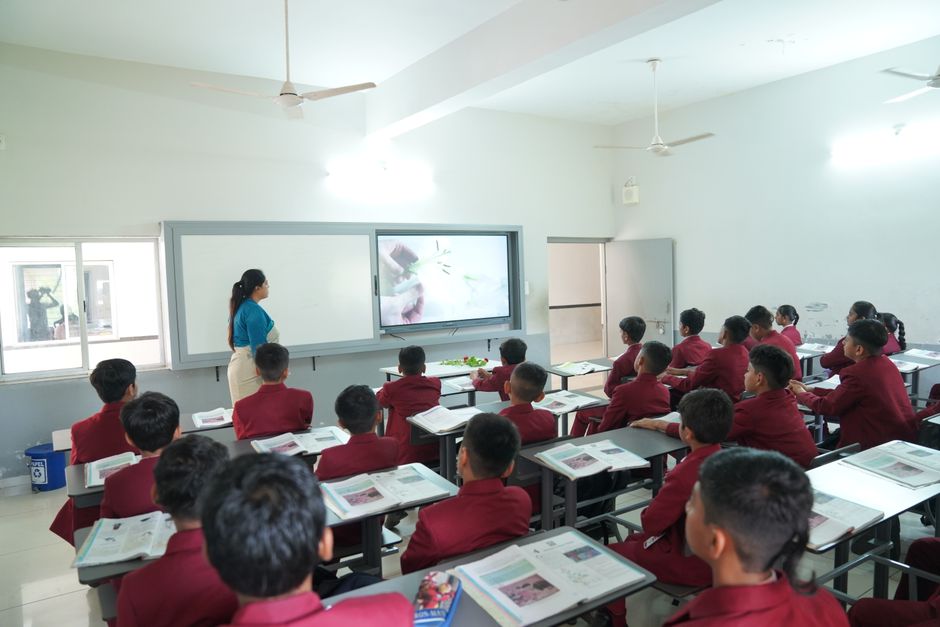
Gujarat Empowers Teachers with Career Guidance Training
Gujarat's education department has launched a training program to equip teachers with skills for providing informed career guidance to students, covering various educational and vocational…
Read More →In today’s fast-paced work environment, those who can effectively manage up will find themselves better positioned for promotions and leadership roles. By cultivating strong relationships with supervisors through active listening, regular updates, and emotional intelligence, employees can navigate their careers with confidence and authenticity. The future of work will demand not just technical skills, but also the soft skills required to build and maintain fruitful workplace relationships.