No products in the cart.

NCERT Class 6 Kannada Textbook “Krishna” Draws Criticism Over Cultural Representation
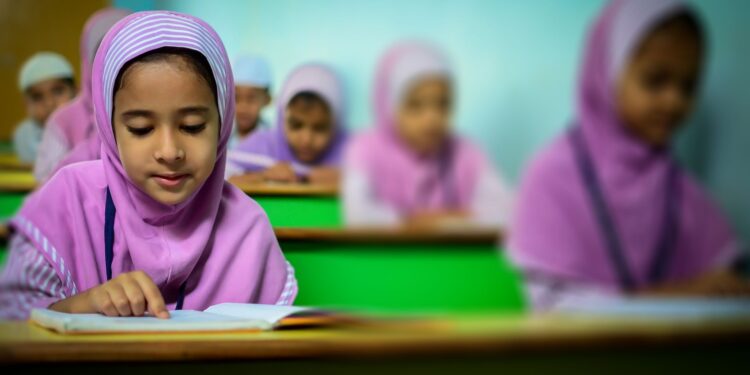
Karnataka educators and rights groups have formally objected to NCERT’s new Class 6 Kannada textbook, citing cultural bias and a lack of regional representation.

The National Council of Educational Research and Training’s new Class 6 Kannada textbook, titled “Krishna,” has become the focus of objections from Karnataka educationists and rights groups. Critics say the book’s title and content do not reflect the state’s linguistic and cultural diversity and may conflict with the CBSE three‑language policy.
The textbook was released this month as part of the National Council of Educational Research and Training (NCERT) curriculum for Class 6 students under the Central Board of Secondary Education (CBSE) framework. The controversy emerged in June 2026, with public statements from advocacy groups and educators based in Bengaluru, Karnataka [1].
Education experts, the People’s Alliance for Fundamental Right to Education (PAFRE), and other regional advocacy organizations have formally objected to the book, alleging that it promotes a cultural and ideological bias that marginalises Karnataka’s regional heritage [2][3]. The objections were lodged after the textbook was introduced as the “third language” resource required by CBSE’s three‑language policy, which mandates instruction in Hindi, English, and a regional language [4].
Background and Content of the Textbook
NCERT’s Class 6 Kannada textbook, designated as “R3” in the series, carries the title “Krishna” and is intended to serve as the primary Kannada language resource for students enrolled in CBSE schools across India [4]. The book was prepared by a committee of language scholars appointed by NCERT and aligns with the national curriculum framework released in 2025 [1].
The three‑language policy, formally adopted by CBSE in 2024, requires students to study a third language in addition to Hindi and English, with the choice of the third language varying by state [4]. Karnataka schools that follow CBSE have selected Kannada as the third language, prompting the rollout of the new textbook for the 2026‑27 academic year [2].
The textbook’s content includes a selection of poems, short stories, and cultural excerpts centered on the mythological figure Krishna, alongside exercises on grammar and vocabulary [1]. Critics argue that the exclusive focus on the deity and the omission of regional literary figures, folk traditions, and linguistic variations fails to represent Karnataka’s diverse cultural landscape [3].
The three‑language policy, formally adopted by CBSE in 2024, requires students to study a third language in addition to Hindi and English, with the choice of the third language varying by state [4].
Objections Raised by Karnataka Educators and Rights Groups

The People’s Alliance for Fundamental Right to Education (PAFRE) submitted a formal objection to NCERT on 12 June 2026, requesting revisions to the book’s title, content, and its placement within the CBSE curriculum [2]. PAFRE’s statement cited “cultural and ideological imposition” and warned that the textbook could undermine the linguistic rights of Karnataka’s students [3].
You may also like
 News
NewsBloomberg This Weekend 10/4/2026
The launch comes at a time when media consumption patterns are rapidly changing. Viewers increasingly prefer on-demand content and real-time updates, prompting networks like Bloomberg…
Read More →Educationists from Bengaluru, including senior faculty at the University of Mysore’s Department of Kannada, have echoed these concerns, noting that the textbook does not include works by prominent Kannada writers such as Kuvempu, Bendre, or contemporary folk poets [4]. The group also highlighted that the title “Krishna” may be perceived as privileging a pan‑Indian religious narrative over local cultural identities [1].
In addition to PAFRE, the Karnataka State Teachers’ Association (KSTA) issued a public notice on 15 June 2026 urging the state government to intervene and request a review of the textbook before it is adopted in schools [4]. The association argued that the book’s current form could affect students’ connection to their regional heritage and impact language acquisition outcomes [3].
Responses from NCERT and CBSE
NCERT released a statement on 18 June 2026 acknowledging the concerns raised by Karnataka stakeholders and confirming that the textbook had undergone the standard review process involving language experts and curriculum planners [1]. The agency indicated that it would consider the feedback and explore the possibility of issuing supplementary material to address regional representation [2].
CBSE’s Director of Curriculum, Dr. Anjali Mehta, reiterated that the three‑language policy allows for state‑specific adaptations and that the board remains open to collaborating with state education departments to ensure cultural relevance [4]. The board has not announced any immediate suspension of the textbook but has scheduled a meeting with Karnataka’s Department of Education for the week of 24 June 2026 to discuss potential amendments [3].
Anjali Mehta, reiterated that the three‑language policy allows for state‑specific adaptations and that the board remains open to collaborating with state education departments to ensure cultural relevance [4].
No legal action has been filed against NCERT as of the reporting date, and the textbook remains in circulation for the upcoming academic session [1].
Impact on Students and Schools in Karnataka
The controversy has prompted several CBSE‑affiliated schools in Karnataka to pause the adoption of the “Krishna” textbook pending clarification from the board [4]. Teachers report uncertainty in lesson planning, as the textbook’s content may not align with state‑specific cultural programs and extracurricular activities [3].
You may also like
 News
NewsJobs Slow but Inflation Keeps Fed on Alert
In September, the economy added just 150,000 jobs, a stark contrast to the 200,000 jobs analysts had predicted. This slowdown comes amid ongoing inflationary pressures,…
Read More →Parents in Bengaluru have expressed concerns on social media platforms, questioning whether the textbook will adequately prepare their children for state‑level language examinations that emphasize regional literature [2]. The debate may also influence enrollment decisions, with some families considering a shift to state‑run schools that follow the Karnataka State Board curriculum [1].
If NCERT issues revised content or supplementary modules, schools will need to integrate these materials before the start of the 2026‑27 term, potentially affecting timetables and resource allocation [4]. The ongoing dialogue underscores the broader challenge of aligning national curriculum standards with regional linguistic diversity in a multilingual nation [3].
Key Facts
What: NCERT’s Class 6 Kannada textbook “Krishna” faces objections over cultural representation.
If NCERT issues revised content or supplementary modules, schools will need to integrate these materials before the start of the 2026‑27 term, potentially affecting timetables and resource allocation [4].
When: Objections were publicly raised in June 2026 following the textbook’s release.
Impact: Karnataka students, teachers, and CBSE schools may experience curriculum adjustments and delayed textbook adoption.
You may also like
 News
NewsUAE may halt UK investments after Manchester City guilty verdict
The UAE's potential withdrawal of investments in the UK, following Manchester City's guilty verdict for financial breaches, could significantly impact the sports and real estate…
Read More →Sources
- NCERT Class 6 Kannada Textbook Sparks Karnataka Cultural Representation … – NewsFlash Daily
- NCERT’s ‘Krishna’ Textbook Faces Criticism Over Lack of Karnataka’s … – TimesNowNews
- Rights Group Objects To NCERT Kannada Textbook, Alleges Cultural And … – NDTV
- Name, content of NCERT class 6 Kannada textbook turn contentious – The Hindu