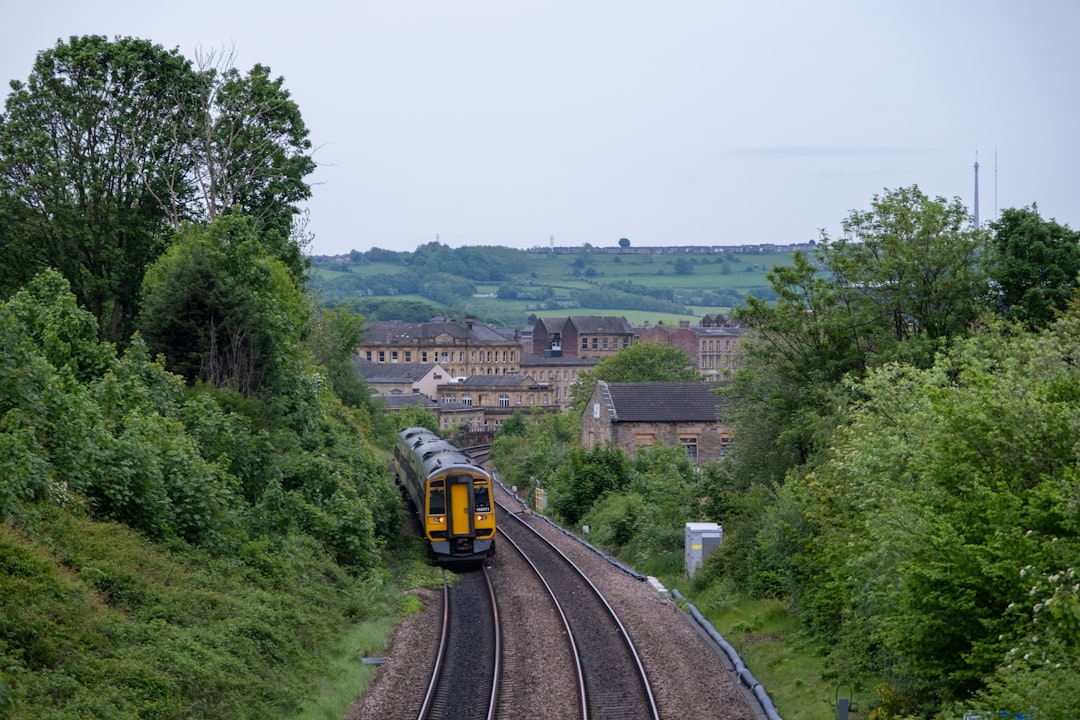
The Northern Rail Project, a £45 billion initiative, faces scrutiny from MPs who warn it may repeat the costly mistakes of HS2, highlighting concerns over management and budgeting.
UK — The Northern Rail Project, a £45 billion initiative aimed at enhancing rail connectivity across Northern England, is under intense scrutiny. Members of Parliament (MPs) have raised alarms that the project could replicate the costly failures seen in the HS2 high-speed rail project, which has been plagued by delays and budget overruns. This warning comes as the government plans to connect key cities such as Liverpool, Manchester, and Leeds with new or upgraded rail lines.
The Public Accounts Committee (PAC) has expressed serious doubts regarding the Department for Transport’s (DfT) ability to manage the Northern Rail Project effectively. The committee’s report indicates a lack of a convincing plan to deliver the project within its proposed budget, raising concerns about potential mismanagement and the risk of failing to achieve the intended benefits. These concerns echo a recent report by The Guardian, which emphasized the need for a more detailed and transparent approach to project planning and execution.
Learning from HS2: Risk Management and Budgeting
The challenges faced by HS2 serve as a cautionary tale for the Northern Rail Project. The PAC’s analysis highlights that HS2 struggled due to poor risk management and flawed budgeting practices. The DfT’s past record on cost estimation for rail projects is troubling, and the committee’s report suggests that lessons have not been adequately learned, putting the Northern Rail Project at risk.
One critical lesson from HS2 is the necessity for robust risk management strategies in large infrastructure projects. Effective risk management involves early identification of potential risks and the implementation of strategies to mitigate them. The PAC pointed out that the DfT’s failure to properly scope the Northern Rail Project could lead to unrealistic budget estimates, mirroring issues encountered with HS2. Without a clear understanding of the project’s scope, the DfT may struggle to justify the £45 billion funding cap, which some analysts believe could be significantly underestimated.
Moreover, the PAC’s concerns regarding the £45 billion funding cap highlight the need for accurate budgeting. The committee questioned how the Treasury arrived at this figure without a fully designed project, suggesting that such uncertainty could hinder the project’s ability to deliver on its promises. This situation echoes the rising costs and extended timelines seen with HS2. According to a BBC report, the Northern Powerhouse Rail initiative is closely linked to the Northern Rail Project and could face similar scrutiny if the DfT does not address these budgeting concerns promptly.
Importance of Stakeholder Engagement
Effective stakeholder engagement is vital for the success of any large infrastructure project.
The ongoing debate surrounding utilities suggests a critical shift towards prioritizing public service over profit. This has profound implications for regulatory practices and public policy…
Effective stakeholder engagement is vital for the success of any large infrastructure project. The PAC’s report emphasizes that the DfT must ensure adequate scrutiny from mayoral authorities and other stakeholders. Engaging local communities in the planning process is essential to avoid the pitfalls experienced by HS2.
Research indicates that successful projects often depend on strong communication and collaboration among stakeholders. For the Northern Rail Project, this means involving local authorities, community groups, and transport users in the planning stages. Such engagement helps identify potential issues early and fosters a sense of ownership among stakeholders, which is crucial for garnering project support. The PAC’s findings suggest that without this level of engagement, the DfT risks repeating HS2’s mistakes, where stakeholder concerns were often overlooked, leading to public backlash and increased scrutiny.
Additionally, the PAC’s concerns about governance and oversight reflect broader issues within the rail industry. Lessons from HS2 underscore the need for clear governance structures and accountability mechanisms. Transport planners and project managers must establish effective lines of communication and decision-making processes that involve all stakeholders. As the Northern Rail Project progresses, it will be essential for the DfT to demonstrate that it has learned from past mistakes. Prioritizing stakeholder engagement and transparent governance can help mitigate risks of mismanagement and budget overruns.
Implications for Future Infrastructure Projects
The implications of the Northern Rail Project extend beyond its immediate scope. As the UK government seeks to enhance rail connectivity across the North, the project’s success or failure will significantly impact public trust in infrastructure initiatives. If the Northern Rail Project encounters the same issues as HS2, it could lead to skepticism about future rail investments.
The PAC has already pointed out that without a clear plan and effective management, the project may not achieve its goals. The Northern Powerhouse Rail initiative, which aims to transform rail travel in the North, is at stake. If the Northern Rail Project fails to deliver, it could jeopardize the broader vision of enhancing economic growth and connectivity in the region.
The GOBARdhan initiative aims to significantly boost India's compressed biogas production, creating jobs and enhancing energy security while promoting sustainability through innovative waste management.
Transport planners and project managers must remain vigilant as the project unfolds. The lessons learned from HS2 remind us that without careful planning, even well-intentioned initiatives can falter. The future of the Northern Rail Project hinges on the DfT’s ability to learn from past mistakes and implement effective strategies that address the unique challenges of this ambitious undertaking. As the government prepares for further announcements, stakeholders and industry observers will be watching closely to see if the DfT can deliver a project that meets the needs of the North.
The PAC has already pointed out that without a clear plan and effective management, the project may not achieve its goals.
Frequently Asked Questions
What are the key risks identified in the Northern Rail Project?
The primary risks include poor cost estimation, inadequate project scoping, and potential mismanagement, which could hinder the project’s ability to deliver its promised benefits.
How can project managers avoid pitfalls seen in HS2?
Project managers should implement strong risk management strategies, conduct thorough feasibility studies, and ensure effective stakeholder engagement throughout the project’s lifecycle.
What best practices should transport planners adopt from HS2’s experience?
Transport planners should prioritize accurate budgeting, transparent governance, and strong stakeholder engagement to reduce risks and improve the likelihood of successful project execution.




Government & Policy

 Government & Policy