No products in the cart.

Nuclear Waste Management and AI’s Future Impact
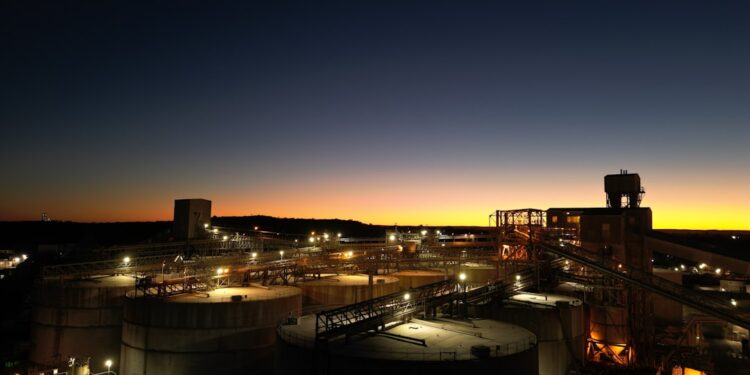
This article explores the urgent need for nuclear waste storage solutions and the transformative role of AI agents in the workforce.

Urgent Need for Nuclear Waste Solutions
Nuclear energy is gaining unprecedented support across various political lines, driven by the increasing demand for clean energy sources amid climate change concerns. However, this growth brings a critical issue to the forefront: the management of nuclear waste. Each year, the United States generates approximately 2,000 metric tons of high-level nuclear waste, and the current infrastructure for its storage is insufficient.
As major technology companies invest heavily in nuclear energy to meet rising electricity needs, the urgency for a permanent waste storage solution becomes even more pressing. The lack of a clear plan for nuclear waste disposal poses significant risks, both environmentally and politically. The conversation around nuclear waste is not just about energy production; it’s about ensuring a sustainable future.
AI Agents Reshaping the Workforce
Alongside the nuclear energy discourse, the rise of AI agents is reshaping the landscape of white-collar work. These AI systems, capable of performing complex tasks and collaborating autonomously, promise to revolutionize industries. Tools like Codex and Claude Cowork exemplify this shift, enabling teams of AI agents to tackle tasks that traditionally required human intelligence.
The potential of AI agents extends beyond mere automation; they could fundamentally change how knowledge work is conducted, much like assembly lines transformed manufacturing. This shift raises questions about the future of jobs and the skills required in an increasingly automated workforce.
Moreover, the integration of AI agents into business processes could lead to increased efficiency and productivity. However, it also poses challenges, including concerns over job displacement and the ethical implications of relying on AI for critical decision-making.
This shift raises questions about the future of jobs and the skills required in an increasingly automated workforce.
Policy and Regulatory Considerations
The intersection of nuclear waste management and AI technology highlights significant policy implications. Governments must create regulations that address waste disposal while also overseeing the use of AI in the workplace. The urgency for nuclear waste solutions calls for comprehensive policies that ensure safety and environmental protection.
You may also like
 Entrepreneurship & Business
College Students Shape the Future of A.I. Investment
College students are increasingly influencing the A.I. investment landscape, with initiatives like Dorm Room Fund raising substantial capital. This shift highlights the growing importance of…
Read More →Regulatory challenges in both sectors are complex. In the nuclear domain, the lack of a long-term storage solution complicates the energy landscape. Simultaneously, the rapid advancement of AI technologies outpaces current regulatory frameworks, leaving gaps in oversight and accountability.
These challenges necessitate a collaborative approach among policymakers, industry leaders, and the public. Engaging stakeholders in dialogue can help shape policies that balance innovation with safety and ethical considerations.

Debates Surrounding Energy and AI
Despite the apparent benefits of AI agents and nuclear energy, significant contradictions exist. Critics argue that the focus on nuclear energy may distract from investing in renewable sources like wind and solar. This debate underscores the tension between immediate energy needs and long-term sustainability goals.
Furthermore, the rise of AI agents is met with skepticism regarding their impact on employment. While proponents highlight efficiency gains, opponents warn of potential job losses in sectors reliant on human labor. The conversation around AI often glosses over the need for reskilling workers to adapt to a changing job market.
The conversation around AI often glosses over the need for reskilling workers to adapt to a changing job market.
Preparing for a Dual Future
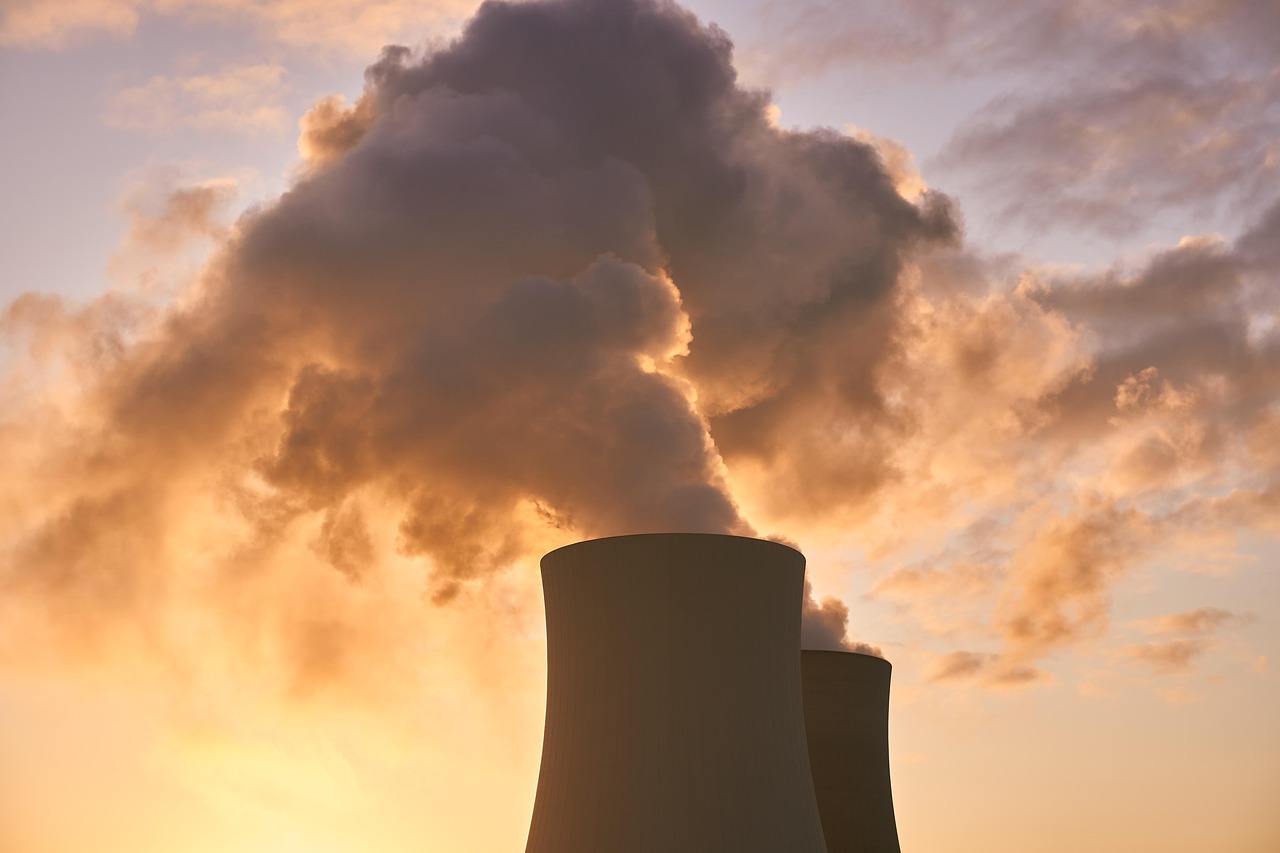
The future of nuclear waste management and AI agents hinges on finding a balance between innovation and responsibility. As nuclear energy continues to play a pivotal role in addressing climate change, developing safe storage solutions is paramount. This necessity will likely drive technological advancements in waste management systems.
Simultaneously, the evolution of AI agents will shape the workforce landscape. Companies will need to invest in training programs that equip workers with the skills necessary to collaborate with AI systems. This proactive approach can help mitigate job displacement concerns and foster a more adaptable workforce.
You may also like
 Entrepreneurship & Business
Earnings Must Validate AI Investments
Tiffany McGhee emphasizes the need for companies to demonstrate the effectiveness of their AI investments in earnings reports, as global AI spending is projected to…
Read More →In the coming years, the dialogue around these issues will become increasingly critical. Stakeholders must engage in conversations that prioritize safety, sustainability, and ethical considerations in both nuclear energy and AI deployment.