No products in the cart.

Nvidia revenue doubles on continued AI demand
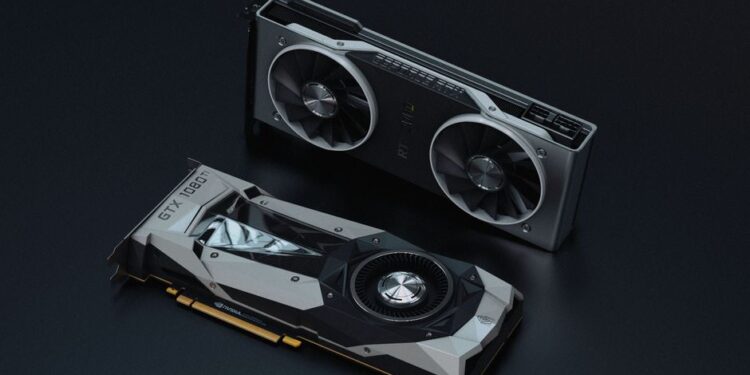
CEO Jensen Huang emphasized that AI has reached an inflection point, with infrastructure development proceeding at full speed.

Nvidia has reported a staggering revenue of $96 billion for the second quarter of 2026, more than double its earnings from the same period last year. This rapid growth is largely attributed to the increasing demand for artificial intelligence (AI) infrastructure, as companies worldwide race to enhance their AI capabilities. The company also projected its revenue to reach $108 billion in the next quarter, indicating a robust trajectory fueled by the ongoing AI boom.
CEO Jensen Huang emphasized that AI has reached an inflection point, with infrastructure development proceeding at full speed. Nvidia’s data center division alone generated $89 billion last quarter, marking a 117% increase year-over-year. This significant uptick underscores the dependency of tech giants such as Amazon, Meta, Google, and Microsoft on Nvidia’s hardware to build and scale their AI tools. According to a report by BBC News, the revenue figures exceeded Wall Street’s expectations, leading to a notable rise in Nvidia’s stock price, reflecting strong investor confidence in the company’s future prospects.
The Rising Demand for Data Center Infrastructure Skills
The surge in Nvidia’s revenue reflects a broader trend in the tech industry, where the demand for skilled data center engineers is skyrocketing. As organizations invest heavily in AI technologies, the need for professionals who can design, implement, and maintain advanced data center infrastructures becomes critical. Career Ahead’s analysis shows that this shift is creating a wealth of job opportunities for data center engineers, particularly those with expertise in AI-related technologies.
Data center engineers are now required to possess a deep understanding of cloud computing, virtualization, and network architecture. As AI workloads become more complex, engineers must also be adept at deploying solutions that can handle large-scale data processing and storage needs. The integration of AI into data centers necessitates a shift in skill sets, with a focus on automation, security, and efficiency. This evolution is echoed in findings from Fortune, which noted that the rapid buildout of AI data centers is driving demand for engineers who can optimize these environments for performance and cost-effectiveness.
Moreover, the rapid buildout of AI data centers means that engineers with experience in managing distributed systems and optimizing resource allocation are in high demand. Companies are increasingly looking for candidates who can ensure that their data centers are not only capable of supporting AI workloads but also efficient and cost-effective. As highlighted by the New York Times, the increasing reliance on Nvidia’s technology by major corporations indicates that the skills of data center engineers will be paramount in the coming years.
In light of these trends, data center engineers should consider upskilling in areas such as machine learning operations (MLOps) and AI infrastructure management.
In light of these trends, data center engineers should consider upskilling in areas such as machine learning operations (MLOps) and AI infrastructure management. This will not only enhance their employability but also position them as key players in the evolving tech landscape. As Nvidia continues to dominate the AI hardware market, the implications for data center engineers are profound. The skills they acquire today will determine their relevance in a future where AI is central to business operations.
You may also like
 Industry & Global Trends
Let’s build a better future for female scaffolders | Letter | Career Outlook
Emma Claassen, founder of WiSA, emphasizes that scaffolding requires more than just physical strength; it demands skill, teamwork, and proper training.
Read More →Opportunities for AI Researchers and Cloud ML Engineers
The financial success of Nvidia also signals a significant increase in funding opportunities for AI research. As the demand for AI solutions grows, so does the influx of capital into startups and research initiatives focused on AI development. Career Ahead research finds that AI researchers can capitalize on this trend by aligning their projects with the needs of major tech companies that rely on Nvidia’s technology.
AI researchers are now in a prime position to secure grants and funding from both public and private sectors. This funding can be utilized to explore innovative applications of AI, ranging from natural language processing to computer vision. The partnership between researchers and tech giants is becoming increasingly vital, as companies look to stay competitive in a rapidly evolving market. The collaboration is further emphasized by the growing number of partnerships formed between academic institutions and technology firms, which are eager to leverage cutting-edge research to enhance their AI capabilities.
Furthermore, cloud ML engineers play a crucial role in this ecosystem by developing and deploying machine learning models that leverage Nvidia’s hardware. As more organizations adopt cloud-based solutions for AI, the demand for engineers who can optimize these models for performance and scalability is on the rise. This shift emphasizes the need for engineers to be well-versed in cloud platforms and machine learning frameworks. The New York Times reported that the increasing complexity of AI models necessitates a workforce that is not only skilled in traditional programming but also in advanced data analytics and machine learning techniques.

To remain competitive, cloud ML engineers should focus on enhancing their skills in areas such as distributed computing and advanced data analytics. These competencies will enable them to build more efficient AI models that can operate effectively in cloud environments. The collaboration between AI researchers and cloud ML engineers is essential for driving innovation. As Nvidia continues to expand its influence in the AI sector, the synergy between these roles will become increasingly important in shaping the future of technology.
Career Ahead’s analysis indicates that professionals without AI-related skills may find themselves at a disadvantage as companies increasingly seek experts who can navigate the complexities of AI technologies.
Nvidia’s remarkable revenue growth is not just a reflection of its success; it also highlights the transformative impact of AI on the broader tech industry. As companies invest heavily in AI capabilities, the entire landscape of technology is shifting. The reliance on Nvidia’s hardware underscores the importance of specialized skills in AI and data management.
You may also like
 Industry & Global Trends
US Solar Panel Makers Race to Innovate Against China
US solar panel manufacturers are advancing tandem technology to enhance competitiveness against China. This shift opens new investment opportunities and market dynamics in the renewable…
Read More →This trend is reshaping hiring practices across the industry. Organizations are now prioritizing candidates with strong backgrounds in AI and data science, leading to a competitive job market. Career Ahead’s analysis indicates that professionals without AI-related skills may find themselves at a disadvantage as companies increasingly seek experts who can navigate the complexities of AI technologies. Additionally, the financial momentum of Nvidia may lead to increased investment in AI startups and emerging technologies. As more capital flows into the sector, new opportunities for innovation and job creation will arise. This trend could further accelerate the demand for skilled professionals in AI, data centers, and cloud computing.
The implications of Nvidia’s success extend beyond immediate hiring trends. As the company continues to dominate the AI hardware market, it sets a benchmark for other firms to follow. The ripple effects of this growth will likely influence corporate strategies and investment decisions across the tech landscape. The future of the tech industry is closely tied to the advancements in AI infrastructure. As companies adapt to these changes, the skills and roles required will evolve, creating both challenges and opportunities for professionals in the field.
As Nvidia’s influence grows, it will be intriguing to observe how the tech industry adapts to these shifts and what new innovations will emerge as a result.
Frequently Asked Questions
What skills do data center engineers need to support AI growth?
Data center engineers need skills in cloud computing, virtualization, and network architecture to manage AI workloads. Expertise in automation and resource optimization is also essential as AI technologies evolve.
Data center engineers need skills in cloud computing, virtualization, and network architecture to manage AI workloads.
How can AI researchers capitalize on Nvidia’s revenue growth?
AI researchers can secure funding for innovative projects by aligning their work with the needs of major tech companies. The rising demand for AI solutions presents opportunities for collaboration and research funding.
What should cloud ML engineers focus on to stay relevant in the AI landscape?
You may also like
 Industry & Global Trends
Romania Maintains Investment Grade Amid Global Uncertainty
Romania has maintained its BBB- investment grade rating, avoiding a downgrade to junk status, leading to a rally in assets and increased investor confidence. This…
Read More →Cloud ML engineers should enhance their skills in distributed computing and advanced data analytics. These competencies will enable them to build efficient AI models that leverage cloud-based solutions effectively.