Odisha's decision to double rice milling charges aims to support local millers and streamline paddy procurement, significantly impacting operational costs and profitability for rice millers in the state.
India’s Odisha government has doubled the rice milling charges to improve the paddy procurement process. Effective immediately, the milling charge for parboiled rice has increased from Rs 20 to Rs 40 per quintal. The charge for raw rice has risen from Rs 10 to Rs 20 per quintal. This decision aims to support local millers and enhance the efficiency of paddy procurement across the state.
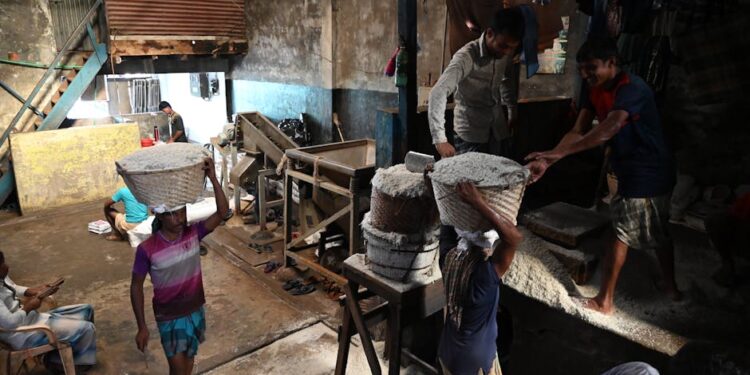
This significant change comes as the government addresses ongoing challenges faced by rice millers. Rising labor wages, increasing fuel prices, and higher operational costs have pressured millers. They have long demanded a revision of milling charges. Chief Minister Mohan Charan Majhi’s approval of this proposal shows a proactive approach to stabilize the rice milling sector.
Implications of Increased Milling Charges for Rice Millers
The doubling of milling charges will have substantial effects on rice millers in Odisha. With the new rates, millers can expect better margins on their operations. This may help them cover rising labor and fuel costs. As reported by newindianexpress.com, the increase in charges aims to enhance millers’ profitability, ensuring their sustainability in a competitive market.
However, the immediate impact will change the operational dynamics of rice milling. Millers will need to adjust their pricing strategies to reflect the increased milling costs. This adjustment could lead to a ripple effect in rice product pricing, potentially affecting consumers. Balancing profitability for millers and keeping rice affordable for consumers will be critical.
Moreover, the increased charges may encourage millers to invest in better technology and processes. By improving efficiency, they can maximize the benefits of the new milling rates. Career Ahead analysis shows that investing in technology is essential for millers who want to thrive in an evolving agricultural landscape.
Career Ahead analysis shows that investing in technology is essential for millers who want to thrive in an evolving agricultural landscape.
While the immediate benefits of the charge increase are clear, the long-term effects depend on how millers adapt. Those who innovate and streamline operations will likely emerge stronger. Others may struggle to keep pace with rising costs. The ability to adapt will shape the future of rice milling in Odisha.
Wider Economic Impact of the Charge Doubling
The decision to double rice milling charges is not just a local issue; it has broader implications for Odisha’s agricultural economy. By supporting rice millers, the government aims to enhance the entire agricultural value chain. This move is expected to facilitate smoother handling of paddy and rice stocks, ultimately benefiting farmers as well.
As highlighted by article.wn.com, the enhanced milling charges are part of a larger strategy to strengthen food security in the state. By ensuring millers are adequately compensated, the government is working to create a stable supply chain that can withstand market fluctuations. This stability is crucial for maintaining food security, especially in a state where rice is a staple food.
Furthermore, the increase in milling charges could lead to stronger paddy procurement from farmers. With millers incentivized to process more rice, farmers may find a more reliable market for their produce. This could encourage increased paddy cultivation, boosting the overall agricultural output of the state.
Balancing support for millers and ensuring affordability for consumers will be key to the success of this policy.
However, the economic impact will also depend on how the market responds to these new charges. If millers raise prices significantly, it could lead to consumer pushback, affecting demand for rice products. Balancing support for millers and ensuring affordability for consumers will be key to the success of this policy.
As the agricultural landscape evolves, the Odisha government’s decision to double rice milling charges may serve as a model for other states facing similar challenges. The focus on supporting local millers while ensuring food security could pave the way for innovative agricultural policies in India.
Ultimately, the success of this policy will depend on cooperation between millers, farmers, and the government. Effective communication and collaboration will be essential to navigate the complexities of the agricultural supply chain.
As the situation develops, stakeholders in the rice milling sector will need to stay vigilant and adaptable. The coming months will reveal whether the increased milling charges lead to a more sustainable and profitable environment for rice millers in Odisha.
Frequently Asked Questions
What are the new rice milling charges in Odisha?
The Odisha government has doubled the rice milling charges. The fee for parboiled rice is now Rs 40 per quintal, and for raw rice, it is Rs 20 per quintal.
Rice millers should invest in technology and improve operational efficiency.
Project Jagrook aims to combat the influence of anonymous financial advisors and so-called "finfluencers," who often provide misleading advice to unsuspecting retail investors.
How will the increased charges affect paddy procurement?
The increased milling charges are expected to encourage rice millers to procure more paddy from farmers. This will benefit the agricultural value chain and ensure smoother handling of rice stocks.
What should rice millers do to adapt to the new milling charges?
Rice millers should invest in technology and improve operational efficiency. This will help them maximize the benefits of the increased charges while maintaining competitive pricing for consumers.



 Government & Policy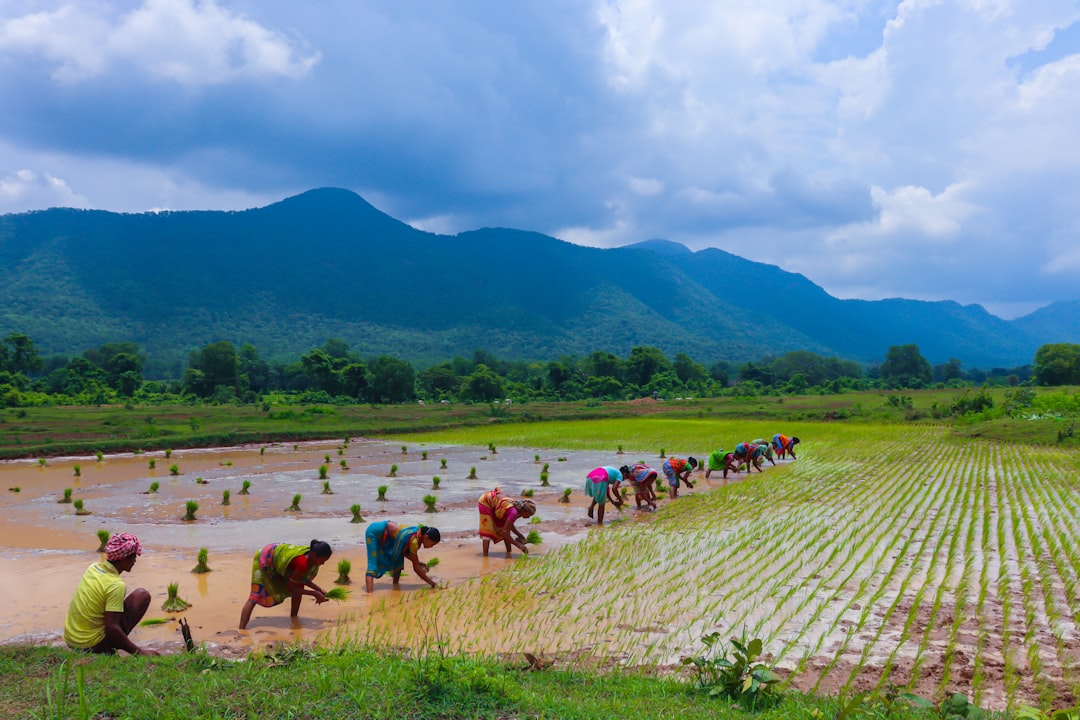
Government & Policy