No products in the cart.

Oil Tanker Operators Earn $1 Million Daily Amid Ship Shortage
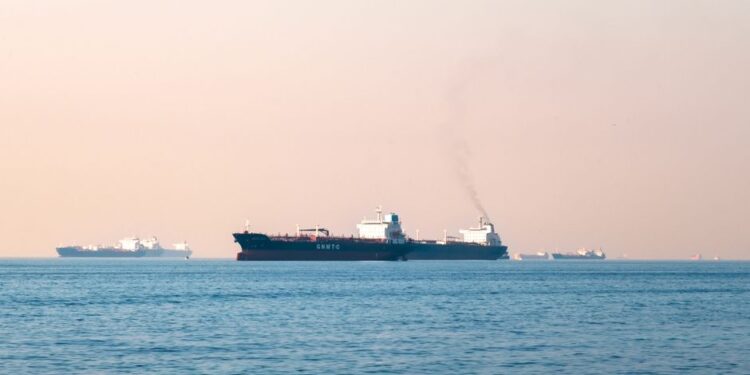
The ongoing geopolitical conflicts have led to a significant shortage of oil tankers, allowing operators to earn over $1 million daily. This situation presents unique opportunities for shipping logistics managers and oil tanker operators to maximize their profits and adapt to changing market dynamics.

Oil tanker operators are now earning over $1 million a day. This is due to a severe shortage of vessels. Ongoing geopolitical conflicts have reshaped the shipping industry. Conflicts disrupt shipping routes and reduce the number of available vessels. As a result, operators find themselves in a very profitable position.
Countries in the Middle East, especially those involved in oil production, are feeling the impact of these conflicts the most. The demand for oil remains high, but transporting it has become much harder. This situation has led oil companies to scramble for available tankers, pushing daily charter rates to record levels.
How the Ship Shortage Affects Earnings
The oil tanker shortage is more than a minor issue; it has caused daily earnings to exceed $1 million for operators. Analysis from Career Ahead shows this surge in earnings is linked to fewer vessels available. With fewer ships in operation, companies are willing to pay more for the limited number of tankers.
Recent reports indicate that supertankers are sailing empty to secure oil amid tight capacity. This shows the urgency of the situation. A report from oceancrew.org notes that some operators are transporting oil without cargo just to keep their market position. This costly tactic reflects the desperation to stay competitive in a market where demand far exceeds supply.
As shipping logistics managers adapt to these changes, they must plan strategically. Career Ahead’s analysis shows that operators who manage their fleet efficiently and optimize routes will likely see greater profits. This adaptability is crucial as the geopolitical landscape continues to change.
The implications for the shipping logistics sector are significant. With earnings at an all-time high, interest in maritime logistics careers is growing. The demand for skilled professionals who can manage and optimize shipping operations is likely to rise as companies seek to capitalize on this unique opportunity.
The demand for skilled professionals who can manage and optimize shipping operations is likely to rise as companies seek to capitalize on this unique opportunity.
Wider Implications for the Maritime Industry
The ongoing ship shortage has broader implications beyond immediate earnings for oil tanker operators. It is reshaping the entire maritime industry. Companies are being forced to rethink their strategies and operations. As conflicts disrupt traditional shipping routes, they are exploring alternative methods for transporting oil and other goods.
You may also like
 Industry & Global Trends
Romania Maintains Investment Grade Amid Global Uncertainty
Romania has maintained its BBB- investment grade rating, avoiding a downgrade to junk status, leading to a rally in assets and increased investor confidence. This…
Read More →According to blog.gettransport.com, the unprecedented oil tanker shortage is changing global shipping patterns. Operators are pushed to innovate, finding new ways to ensure oil delivery while navigating conflict challenges. This innovation could lead to long-term changes in shipping logistics, focusing on resilience and flexibility.
The economic impact is also significant. Countries that rely heavily on oil imports face increased costs, which could lead to inflation. As shipping costs rise, consumers may feel the pinch at the pump. This creates a ripple effect throughout the economy, affecting everything from transportation costs to consumer prices.
For shipping logistics managers, understanding these broader implications is crucial. They must adapt their strategies to navigate a fluctuating market. Staying informed and responsive will be key to maintaining competitiveness in the industry.
As the maritime industry faces these challenges, career opportunities in shipping logistics are expanding. Professionals who can demonstrate adaptability and strategic thinking will thrive in this changing landscape.
Ultimately, the current state of the oil tanker market reminds us of the interconnectedness of global trade and geopolitics. The decisions made today will shape the industry’s future and influence market dynamics for years to come.
As the maritime industry faces these challenges, career opportunities in shipping logistics are expanding.
What Lies Ahead for Oil Tanker Operators?
Looking ahead, the situation presents both challenges and opportunities for oil tanker operators. As conflicts persist, the demand for oil transportation is unlikely to decrease. Operators who navigate the current market complexities stand to benefit significantly.
You may also like
 Industry & Global Trends
Wall Street’s $10 billion India hospital bet sparks a fight over bills
Wall Street's $10 billion investment in India's healthcare sector raises concerns over rising hospital bills and affordability. The influx of private equity is reshaping billing…
Read More →However, the future is uncertain. If geopolitical tensions ease, new vessels could quickly change the landscape, leading to decreased earnings. Operators must remain vigilant and adaptable to these changing conditions.
Moreover, the focus on sustainability and environmental concerns is likely to grow. As the industry evolves, there may be increased pressure to adopt greener practices in oil transportation. This could shift how tankers operate, emphasizing reducing emissions and improving fuel efficiency.
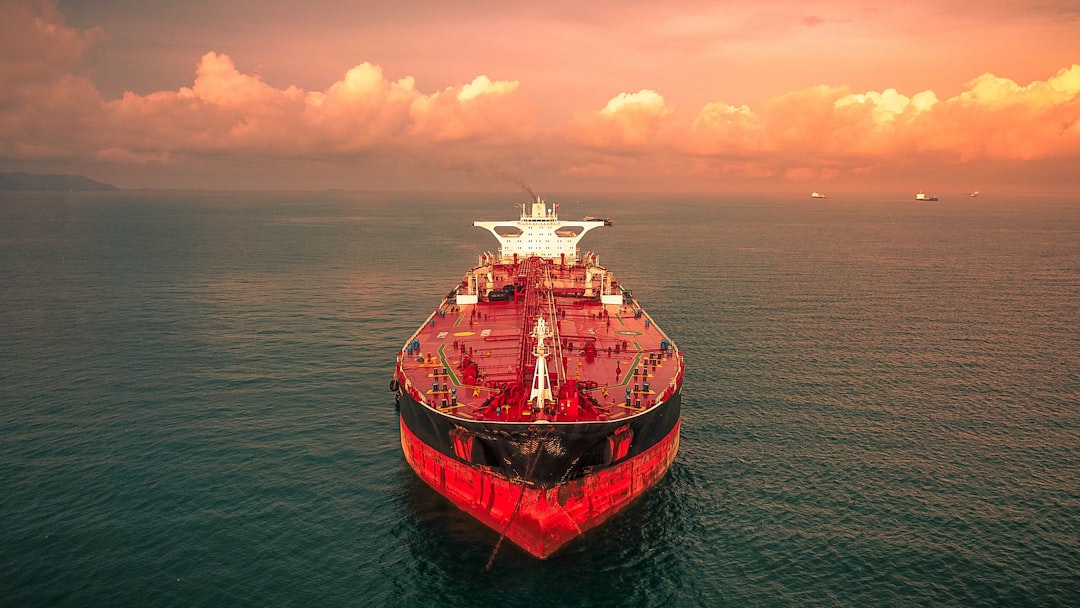
As the maritime industry prepares for potential shifts, the importance of skilled professionals in shipping logistics cannot be overstated. Those who understand the market intricacies and can respond swiftly to changes will be invaluable assets to their organizations.
In conclusion, the oil tanker shortage highlights the delicate balance between global events and economic realities. As operators navigate this landscape, the ability to adapt and innovate will determine who thrives in the coming years.
Career Ahead research shows that oil tanker operators are currently earning over $1 million a day due to a significant vessel shortage.
Frequently Asked Questions
What are the current earnings trends for oil tanker operators?
Career Ahead research shows that oil tanker operators are currently earning over $1 million a day due to a significant vessel shortage. This trend is expected to continue as geopolitical conflicts disrupt traditional shipping routes.
How does the ship shortage affect shipping logistics managers?
The ship shortage creates challenges for shipping logistics managers. They must adapt to rising costs and limited vessel availability. Managers who can optimize routes and manage fleets effectively will be better positioned to succeed in this environment.

What should oil tanker operators do to maximize profits during this crisis?
You may also like
 Industry & Global Trends
BT Acquires TalkTalk Amid Eurozone Debt Concerns
BT Group's £400 million acquisition of TalkTalk aims to stabilize the broadband provider amid significant industry challenges, including a shift to digital services.
Read More →Oil tanker operators should focus on fleet management and route optimization to capitalize on current market conditions. By being strategic in their operations, they can enhance profitability despite the challenges posed by the ship shortage.