No products in the cart.

Oura pulls $15bn stock market listing days after announcement

Oura, the maker of smart rings that track health metrics, has withdrawn its plans for a $15 billion initial public offering (IPO) just days after announcing it.

Oura, the maker of smart rings that track health metrics, has withdrawn its plans for a $15 billion initial public offering (IPO). This decision came just days after announcing its intention to go public, reflecting rising uncertainties in the IPO market that have raised concerns for both investors and health tech startups.
The company initially aimed to raise up to $2.2 billion by selling shares priced between $40 and $44. However, Oura’s leadership, including CEO Tom Hale, cited current market conditions as the reason for the postponement. He stated, “An IPO is just one step in our journey,” emphasizing the company’s flexibility in choosing the right moment for its public debut.
Implications for Health Tech Startups
The withdrawal of Oura’s IPO is a significant signal for health tech startups seeking funding. This decision reflects a broader trend of caution among investors in the health technology sector. As a prominent player in wearable technology, Oura’s retreat may deter potential investors from smaller startups.
Many startups rely on public offerings to secure funding for growth and development. Oura’s IPO postponement may lead to tighter funding conditions, making it harder for emerging companies to attract investment. This scenario is particularly concerning for startups focused on health monitoring and wellness technologies, which have seen a surge in consumer interest. According to a report by Reuters, the overall IPO market faces challenges, with many companies postponing their listings due to market jitters.
Oura’s decision also highlights the challenges faced by companies in the health tech space. The ongoing class action lawsuit against Oura claims false advertising regarding the accuracy of its sleep tracking. While Oura maintains its stance on the validity of its technology, the lawsuit could complicate its market position and investor confidence. As noted by BBC News, Oura’s withdrawal from the IPO process comes at a time when investor confidence is already shaky.
Many startups rely on public offerings to secure funding for growth and development.
The current climate may push health tech startups to explore alternative funding avenues, such as venture capital or private equity. This shift could lead to a more cautious approach to growth, prompting founders to reassess their strategies in light of Oura’s experience.
Investor Sentiment in Wearable Technology
You may also like
 Industry & Global Trends
Hormuz Crude Oil Exports Near Pre-War Levels
The return to pre-war export levels is crucial as it indicates a stabilization in the oil market. Producers and shipping industries have adapted by employing…
Read More →Oura’s IPO delay reflects changing investor sentiment towards wearable technology companies. The tech sector has experienced volatility, with rising interest rates and global economic concerns impacting investor confidence. Reports show that the yield on US debt has reached its highest level since 2007, contributing to a more cautious investment environment.
Investors are increasingly wary of committing to new public offerings, especially in the health tech sector. The postponement of Oura’s IPO could lead to a reevaluation of investment strategies among venture capitalists and institutional investors, many of whom may wait for clearer signs of market stability before making significant commitments to health tech startups.
Moreover, competition among wearable technology companies is intensifying. As Oura steps back from the IPO market, other companies might seize the opportunity to establish themselves as leaders, leading to a race for innovation and market share. Startups will aim to differentiate themselves from established players like Oura, and investors will need to monitor developments in the health tech sector closely.

Future Strategies for Health Tech Companies
As the health tech sector grapples with these dynamics, it will be essential for companies to remain agile and responsive to market changes. The ability to pivot and adapt to shifting consumer demands and economic conditions will determine which startups succeed. Oura’s experience illustrates that the road to public offerings may be fraught with challenges, necessitating a focus on building robust business foundations.
Startups will aim to differentiate themselves from established players like Oura, and investors will need to monitor developments in the health tech sector closely.
Emerging companies must respond to the challenges posed by Oura’s decision by exploring innovative funding strategies and demonstrating resilience in their business models. The question remains: how will these companies secure funding in an increasingly cautious market?

Frequently Asked Questions
What are the implications of Oura’s IPO withdrawal for health tech startups?
Oura’s IPO withdrawal signals a cautious investment climate, making it more difficult for health tech startups to secure funding and potentially leading to tighter funding conditions.
How should investors reassess their strategies in wearable technology after Oura’s decision?
Investors may need to adopt a more cautious approach, focusing on companies that demonstrate resilience and adaptability in the health tech sector while monitoring market stability for informed investment decisions.
You may also like
 Industry & Global Trends
Man Charged
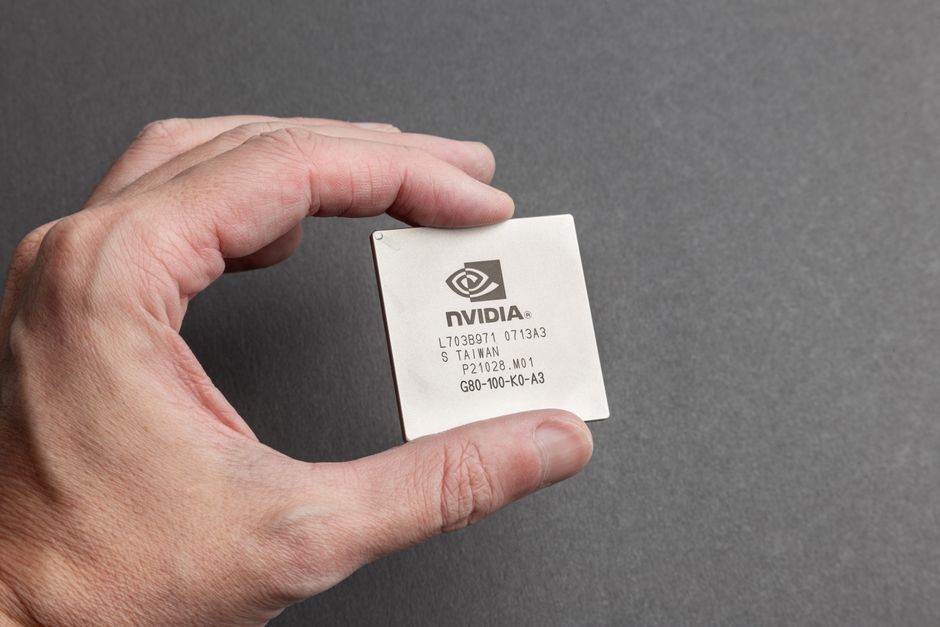
A US national has been charged with illegally exporting Nvidia chips to China, raising significant compliance and legal concerns in the semiconductor industry.
Read More →What steps can startup founders take to secure funding in a challenging market?
Startup founders should build strong relationships with investors and showcase clear pathways to profitability, demonstrating the value of their innovations to attract private investment.