No products in the cart.

Patreon CEO Calls AI Fair Use Argument ‘Bogus’
Jack Conte critiques AI companies' fair use claims, advocating for fair compensation for creators. He emphasizes the need for transparent licensing and economic justice in the creative industry.

“`html
The Bogus Fair Use Argument: A Call to Action for Creators
At SXSW in Austin, Patreon CEO Jack Conte challenged the common “fair use” defense used by AI companies to scrape creative works, calling it “bogus.” His critique is rooted in the reality faced by creators like musicians and writers who struggle to get paid for their work.
Conte pointed out that AI companies are making multimillion-dollar licensing deals with major rights holders like Disney and Warner Music. If fair use truly allowed the use of copyrighted material without payment, these deals wouldn’t exist. He highlighted the unfairness: while AI models worth “hundreds of billions” rely on the work of countless independent creators, those creators see none of the profits.
This situation is not just a legal issue; it has serious economic implications for creators. Conte argues that the industry cannot continue to grow on a legal loophole while rewarding only a few corporate licensors. For creators, this is a critical moment for collective action.
AI’s Disruption: A Historical Perspective on Creative Industries
From iTunes to Streaming
The digital revolution has forced creators to adapt their business models multiple times. Between 2007 and 2017, 70% of music sales shifted from physical formats to digital, changing the economics of record labels and leading to the rise of subscription services. This shift is exactly what Patreon aims to address.
The Vertical Video Turn
Video consumption also changed dramatically with platforms like TikTok, which popularized vertical video. This format now accounts for about 80% of video viewing. Traditional broadcasters and YouTube creators had to adapt their content for this new format, altering production and advertising strategies.
AI’s Disruption: A Historical Perspective on Creative Industries From iTunes to Streaming The digital revolution has forced creators to adapt their business models multiple times.
AI as the Next Wave
AI represents the next major disruption. Tools like large language models and generative image software are trained on the very content creators have developed over years. While AI can enhance creativity and reduce costs, Conte warns that “change does not mean death.” The cycle continues: innovators gain efficiencies while creators must negotiate new terms for their work’s value.

The Future of Creator Compensation in an AI-Driven World
Economic Imperatives for Fair Pay
Paying creators is essential for a healthy market. Patreon reports that 80% of its creators earn over $1,000 per month, supporting full-time creative work. Kickstarter shows a 60% success rate for funded projects, demonstrating how direct patronage can replace traditional gatekeepers.
You may also like
 AI & Technology
A.I. Boom Defies High Interest Rates, Challenges Fed
In the last quarter, AI startups attracted over $10 billion in venture capital, a figure that highlights the ongoing investor interest despite economic headwinds.
Read More →When AI models generate revenue, they rely on human-made content. McKinsey’s analysis confirms that most of a model’s value comes from the creative datasets it uses. Ignoring this risks undervaluing the talent that drives AI’s success.
Job Market Realities and Upskilling
The World Economic Forum predicts that by 2025, 50% of jobs will require new skills. For creators, this means they must adopt AI tools while demanding fair pay for the data those tools use. Rural creators face additional challenges, with 30% lacking high-speed internet, limiting their access to digital platforms and AI tools.
Ignoring this risks undervaluing the talent that drives AI’s success.
Toward Transparent Compensation Frameworks
A fair compensation system would require AI companies to negotiate licensing terms with individual creators, not just large corporations. Solutions like micro-royalty tracking and blockchain could ensure that value returns to creators.
Policymakers and the AI community must establish standards that treat creator data as a licensed asset. This would align legal frameworks with economic realities, transforming the “bogus” fair-use claim into a fair agreement.
Strategic Perspective: Shaping a Sustainable Creative Economy
The intersection of AI and the creative economy is a negotiation point, not a foregone conclusion. Conte’s rejection of the fair-use defense pushes the industry to recognize that if AI companies pay major corporations for training data, they must also compensate independent creators whose work supports these models.
Creators who use AI as a collaborative tool can increase their productivity. However, this must be matched by a revenue model that recognizes their contributions as intellectual property, not public domain resources.
Conte’s rejection of the fair-use defense pushes the industry to recognize that if AI companies pay major corporations for training data, they must also compensate independent creators whose work supports these models.
You may also like
 AI & Technology
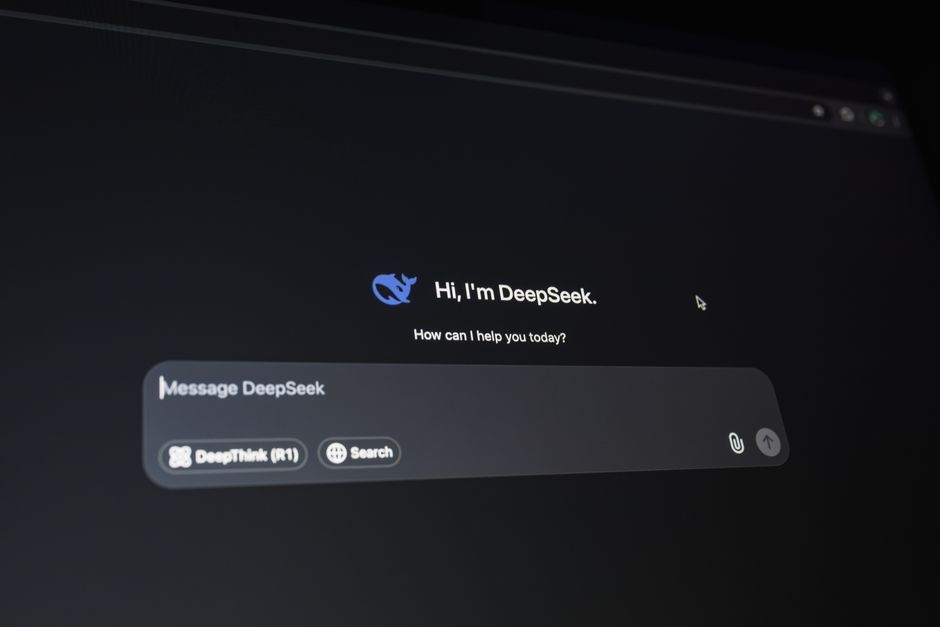
DeepSeek Closes AI Gap with US Rivals to 3%
Chinese AI firm DeepSeek has successfully narrowed the performance gap with leading US AI models to just 3%, signaling a significant shift in the global…
Read More →
In the future, resilient creators will blend artistic vision with a strong understanding of data rights. Responsible AI companies will incorporate fair-compensation clauses into their training processes. The goal is to ensure that technological advancements benefit the entire creative community, not just a select few.
“`