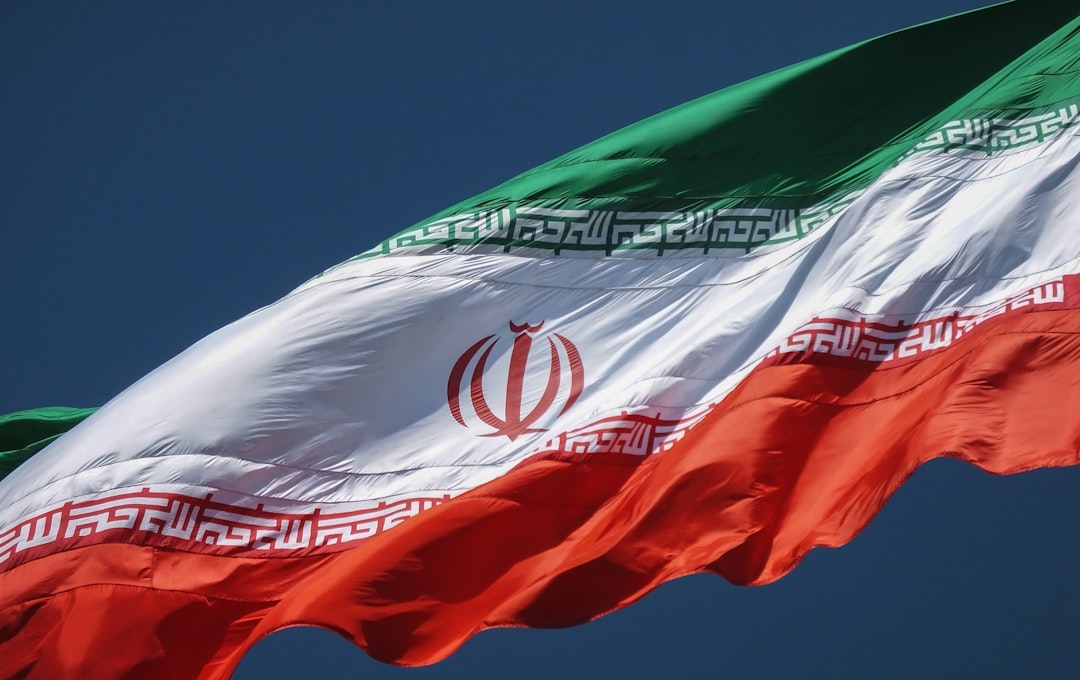
Iran is seeking control over the Strait of Hormuz. Meanwhile, the Pentagon is pushing for a big increase in military production. These events are happening in August 2026 and have major implications for defense contractors and energy policy analysts worldwide.
The Strait of Hormuz is a key chokepoint for global oil supply. About 20% of the world’s oil passes through it. Iran’s negotiations could change energy trade agreements, especially with the U.S. and its allies. This may affect oil prices and availability on international markets. At the same time, the Pentagon’s push for more military production shows a focus on national security amid rising geopolitical tensions.
Increased Military Production Demands
The Pentagon’s call for more military production comes from the need to respond to new threats. It aims to keep the U.S. military ready for possible conflicts. This is especially important as tensions in the Middle East rise. Iran’s actions in the Strait of Hormuz are under international scrutiny. A report from ET Now states that the Pentagon has told defense firms to speed up weapons production. This reflects a sense of urgency in military readiness.
Career Ahead’s analysis shows that defense contractors will likely see a rise in demand for military equipment and technology. The Pentagon wants to speed up production timelines. Contractors must adapt quickly, investing in new technologies and production capabilities. This need for rapid change may lead to partnerships between defense firms and tech companies, promoting innovation in military applications. The Institute for Energy Research also notes that disruptions in the Strait of Hormuz could cause immediate spikes in oil prices. This raises the stakes for military readiness and production.
The link between military production and energy security will be vital for defense firms in the future.
Emerging Asia's central banks are employing creative strategies to stabilize their currencies amid economic pressures. For instance, India has successfully attracted significant capital from its…
Additionally, focusing on local production could change the supply chain for defense contractors. Companies may need to rethink their sourcing strategies, prioritizing domestic suppliers to align with national security goals. This could strengthen the domestic defense industry but might also raise costs and complicate procurement processes. As defense contractors adjust to these changes, they must consider the effects of energy policies influenced by Iran’s negotiations. The link between military production and energy security will be vital for defense firms in the future.
Energy Trade Agreements and Global Oil Supply
The negotiations around the Strait of Hormuz impact global oil supply chains and pricing. The Energy Information Administration (EIA) states that disruptions in the Strait can cause immediate spikes in oil prices. This affects economies around the world. Iran’s current position in negotiations suggests rising tensions, complicating existing energy trade agreements. As the U.S. and its allies consider their responses, energy policy analysts must monitor how these developments will affect oil supply and pricing. Career Ahead research indicates that any disruption in the Strait could lead to price volatility, impacting consumers and industries that rely on stable energy costs.
Moreover, the geopolitical landscape is changing. Countries are reevaluating their energy dependencies. New trade agreements or adjustments to existing ones may emerge as nations seek alternative oil supplies. This situation offers energy policy analysts a chance to explore new partnerships and strategies to reduce risks linked to reliance on the Strait of Hormuz. The Independent reports that Iran’s military leaders are pushing for conditions that could complicate U.S. military operations in the region. This highlights the need for a strategic reevaluation of energy and defense policies.
Furthermore, the implications for defense contractors go beyond military production. As countries reassess their energy policies, defense firms may engage in new initiatives to secure energy resources. This could lead to collaborations that merge defense and energy sectors. In this changing environment, strategic foresight is crucial. Defense contractors must stay agile and ready to adjust their strategies in response to military production demands and the shifting global energy market.
India's equity market is witnessing a resurgence with $3.6 billion in foreign inflows, indicating a shift in investor sentiment towards emerging markets as alternatives to…
and its allies consider their responses, energy policy analysts must monitor how these developments will affect oil supply and pricing.
As the situation evolves, the link between military readiness and energy security will shape the future of defense contracts and international relations. It remains to be seen how these negotiations will unfold. Defense contractors must adapt to the dual pressures of increased military production and changing energy policies.
Frequently Asked Questions
What are the implications of increased military production for defense contractors?
Career Ahead’s analysis shows that higher military production demands will lead to more contracts for defense firms. Contractors must invest in new technologies and adjust their supply chains to meet the Pentagon’s faster production timelines.
How might Iran’s negotiations affect energy policy analysts?
Iran’s negotiations over the Strait of Hormuz could lead to major changes in energy trade agreements. Analysts will need to evaluate the potential for oil price volatility and explore new partnerships to secure energy resources amid shifting geopolitical dynamics.
What should defense contractors do in response to changes in Pentagon production strategies?
Defense contractors should reassess their production capabilities and supply chain strategies. Collaborations with technology firms may be essential for innovation and meeting the rising demands for military equipment and technology.




Industry & Global Trends

Industry & Global Trends