No products in the cart.

Polysilicon Subsidy Raises Manufacturing Costs, Attracts Investments

India's upcoming polysilicon subsidy scheme is set to enhance manufacturing competitiveness, impacting production costs and investment opportunities in the renewable energy sector. This move signals a broader trend towards government support for renewable technologies.

India is set to implement a new subsidy scheme for polysilicon manufacturing, aiming to add 30 gigawatts (GW) of capacity by 2030. The announcement was made by Santosh Sarangi, Secretary of the Ministry of New and Renewable Energy, during a recent event. This initiative is crucial for enhancing the country’s energy security and ensuring manufacturing resilience.
The government recognizes that the polysilicon sector is vital for solar energy production, which is a key component of India’s renewable energy strategy. With the need for substantial investment—approximately ₹850 crore per gigawatt—this subsidy is designed to support manufacturers in achieving the necessary capacity.
Subsidy Scheme and Its Financial Implications
The proposed subsidy scheme aims to lower the production costs for polysilicon manufacturers. Currently, the high capital requirement poses a significant barrier for new entrants into the market. By providing financial support, the government hopes to stimulate investment in polysilicon production, which is essential for solar panel manufacturing.
Career Ahead’s analysis shows that this move could significantly reduce the overall costs of solar panel manufacturing. As polysilicon is a primary material used in solar cells, any decrease in its production costs will directly impact the price of solar panels. This could lead to more competitive pricing in the renewable energy market, making solar energy a more attractive option for consumers and businesses alike.
Moreover, the subsidy may encourage existing manufacturers to expand their operations. With lower production costs, companies can increase their output, potentially leading to economies of scale. This shift could further drive down prices, benefiting the entire renewable energy sector.
In addition, the subsidy scheme aligns with global trends where governments are increasingly supporting renewable energy initiatives. For example, similar programs have been implemented in countries like the United States and Germany, which have seen substantial growth in their renewable sectors as a result. This suggests that India’s approach could yield significant long-term benefits.
Investors are likely to view the government’s commitment to polysilicon manufacturing as a positive signal for future growth.
Furthermore, as highlighted by data from nist.gov, government support plays a crucial role in enhancing manufacturing capabilities. By investing in polysilicon production, India can boost its manufacturing sector while simultaneously addressing energy security concerns.
You may also like
 Government & Policy
Why do I have to pay for buses if
As public transport systems increasingly adopt digital payment methods, users without smartphones are at a disadvantage. A letter from a concerned citizen in Scotland noted…
Read More →Potential Growth in Renewable Energy Investments
The introduction of this subsidy scheme is expected to attract both domestic and foreign investments in the renewable energy sector. Investors are likely to view the government’s commitment to polysilicon manufacturing as a positive signal for future growth. With the global shift towards renewable energy, India is positioning itself as a competitive player in the market.
Career Ahead research finds that the demand for solar energy is projected to rise significantly in the coming years. As more countries commit to reducing carbon emissions, the need for renewable energy sources like solar power will increase. This presents a unique opportunity for investors looking to capitalize on the growth of the renewable energy market.
Additionally, the government’s focus on expanding polysilicon manufacturing capacity could lead to the establishment of new businesses and job opportunities within the sector. This growth could create a ripple effect in the economy, benefiting related industries such as construction, logistics, and technology.

However, challenges remain. The solar energy sector in India still faces hurdles such as regulatory issues and the need for a robust supply chain. Addressing these challenges will be essential for maximizing the benefits of the new subsidy scheme. The government’s proactive approach in this regard will be crucial for ensuring the success of the initiative.
As noted on manufacturing.gov, enhancing manufacturing capabilities through government support can lead to significant economic growth. India’s polysilicon subsidy scheme could serve as a catalyst for similar initiatives in other sectors, paving the way for a more sustainable future.
As noted on manufacturing.gov, enhancing manufacturing capabilities through government support can lead to significant economic growth.
Impact on Solar Panel Manufacturing Costs
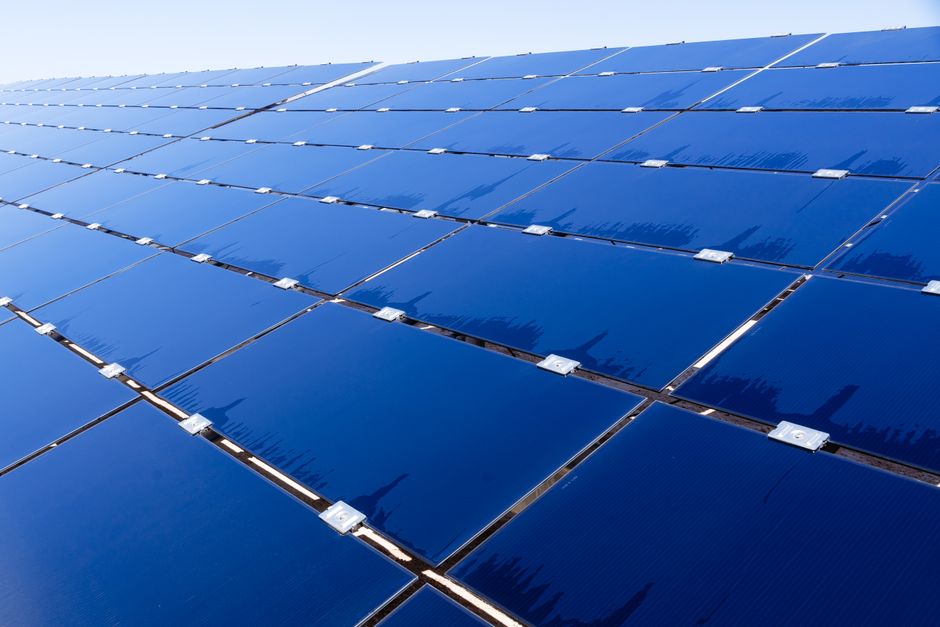
The polysilicon subsidy is expected to have a direct impact on solar panel manufacturing costs. With polysilicon being a key input, any reduction in its production costs will likely translate into lower prices for solar panels. This could make solar energy more accessible to a broader range of consumers.
You may also like
 Government & Policy
Former Labor Secretary Rob Reich on Sept. Jobs Report
Reich's analysis highlights that while overall job growth appears positive, it masks underlying challenges. Many of the new jobs created are concentrated in lower-wage sectors,…
Read More →In recent years, the price of solar panels has been influenced by fluctuations in polysilicon prices. By stabilizing these costs through subsidies, the government can create a more predictable market environment for solar energy. This stability is essential for both manufacturers and consumers, as it encourages investment and adoption of solar technology.
Moreover, as the subsidy scheme takes effect, Career Ahead anticipates a surge in competition among solar panel manufacturers. This competition could lead to innovation and improvements in technology, further driving down costs. As manufacturers strive to differentiate their products, consumers may benefit from a wider range of options and improved technologies.

Additionally, the long-term outlook for solar energy in India appears promising. With the government’s commitment to increasing polysilicon production, the country is likely to become a major player in the global solar market. This could attract international partnerships and collaborations, enhancing India’s position in the renewable energy landscape.
As the world continues to shift towards sustainable energy solutions, the implications of India’s polysilicon subsidy will be felt not just domestically but globally. The success of this initiative could inspire other nations to adopt similar strategies, signaling a broader commitment to renewable energy development.
As the country works towards its goal of 30 GW of polysilicon capacity by 2030, the potential for growth in manufacturing, investment, and technology innovation is immense.
Ultimately, the polysilicon subsidy scheme represents a significant step forward for India’s renewable energy ambitions. As the country works towards its goal of 30 GW of polysilicon capacity by 2030, the potential for growth in manufacturing, investment, and technology innovation is immense.
Frequently Asked Questions
What are the benefits of the new polysilicon subsidy for manufacturers?
The new polysilicon subsidy will lower production costs for manufacturers, encouraging investment and expansion in the sector. This financial support is crucial for enhancing the competitiveness of polysilicon production in India.
How might this subsidy affect investment in renewable energy?
You may also like
 Government & Policy
Utilities Should Prioritize Public Service Over Profit
The ongoing debate surrounding utilities suggests a critical shift towards prioritizing public service over profit. This has profound implications for regulatory practices and public policy…
Read More →The subsidy is expected to attract both domestic and foreign investments in the renewable energy sector, signaling a commitment to growth and sustainability. This could lead to increased job opportunities and economic benefits.
What should polysilicon manufacturers do to leverage the new subsidy?
Manufacturers should assess their production capacities and explore opportunities for expansion. Engaging with government programs and understanding the subsidy framework will be essential for maximizing benefits.