


San Francisco, USA — A widespread power outage struck the city on Saturday, affecting nearly a third of its residents. The outage, caused by equipment failure at Pacific Gas and Electric Company (PG&E), led to significant disruptions, including the closure of transit stations and other essential services. Fortunately, power has since been restored for most customers, but the incident raises important questions about the reliability of the city’s energy infrastructure.
The outage began early Saturday morning, plunging approximately 100,000 residents into darkness. PG&E crews worked tirelessly to identify the cause and restore power, which was achieved later in the day. The situation forced many businesses to close and disrupted public transportation, making it difficult for commuters and residents alike. The impact was felt citywide, with reports of traffic jams and confusion as people struggled to navigate the sudden loss of power.
This event has highlighted the vulnerabilities in San Francisco’s power infrastructure, particularly given the city’s reliance on PG&E. The company has faced scrutiny in recent years due to its history of power outages and wildfires linked to its equipment. Residents are understandably concerned about the implications of such outages on their daily lives and the overall safety of the electrical grid.
The Impact of PG&E’s Outage on San Francisco Residents
For many residents, the outage was not just an inconvenience but a significant disruption to their daily routines. Schools and businesses had to adjust to the loss of power, with many parents scrambling to find childcare and workers unable to commute. Public transit systems, such as BART, were also affected, leading to delays and cancellations that frustrated commuters.
Schools and businesses had to adjust to the loss of power, with many parents scrambling to find childcare and workers unable to commute.
According to reports, the outage affected transit stations, forcing some to close entirely. This created a ripple effect, causing delays across the city and leaving many stranded. The situation was particularly challenging for individuals who rely on public transportation to get to work or appointments.
Furthermore, the outage raised concerns about the preparedness of PG&E to handle such situations. Critics have pointed out that the company’s track record has been marred by previous outages and safety issues. As a result, many residents are questioning whether PG&E can effectively manage the city’s energy needs moving forward.
 News
NewsSoftware Engineer Considers Farming as AI Advances
A software engineer with nearly a decade of experience considers farming as AI advances, prompting Reddit users to debate work and alternative livelihoods.
Read More →As power has been restored, residents are left to contemplate the future of their energy supply. Will PG&E take the necessary steps to improve its infrastructure and ensure that such outages do not become a regular occurrence? The community is eager for answers and solutions that will enhance the reliability of their power supply.
Steps Residents Can Take to Prepare for Future Outages
While the immediate crisis may have passed, San Francisco residents should consider steps to prepare for potential future outages. Here are some actionable steps that can help mitigate the impact of similar events:
- Stay Informed: Sign up for alerts from PG&E regarding outages and restoration times. This can help you plan ahead and make necessary adjustments.
- Emergency Supplies: Keep a supply of essentials on hand, such as flashlights, batteries, and non-perishable food items. Being prepared can make a significant difference during an outage.
- Community Resources: Connect with local community groups or organizations that offer support during emergencies. This can be beneficial for sharing resources and information.
- Backup Power Solutions: Consider investing in a generator or other backup power solutions to maintain essential functions during outages. This is especially important for those who rely on medical equipment.
However, experts warn that while these measures can help, they are not a substitute for a reliable energy infrastructure. Critics of PG&E argue that the company must prioritize upgrades to its aging equipment and invest in more resilient energy solutions. Without these changes, the risk of future outages remains high, and residents could find themselves facing similar challenges again.
Steps Residents Can Take to Prepare for Future Outages While the immediate crisis may have passed, San Francisco residents should consider steps to prepare for potential future outages.
The Future of Energy Reliability in San Francisco
The recent outage serves as a wake-up call for San Francisco regarding the importance of energy reliability. As the city continues to grow, so do the demands on its electrical grid. Residents and local leaders alike are advocating for improvements to ensure a stable power supply that can meet the needs of the community.
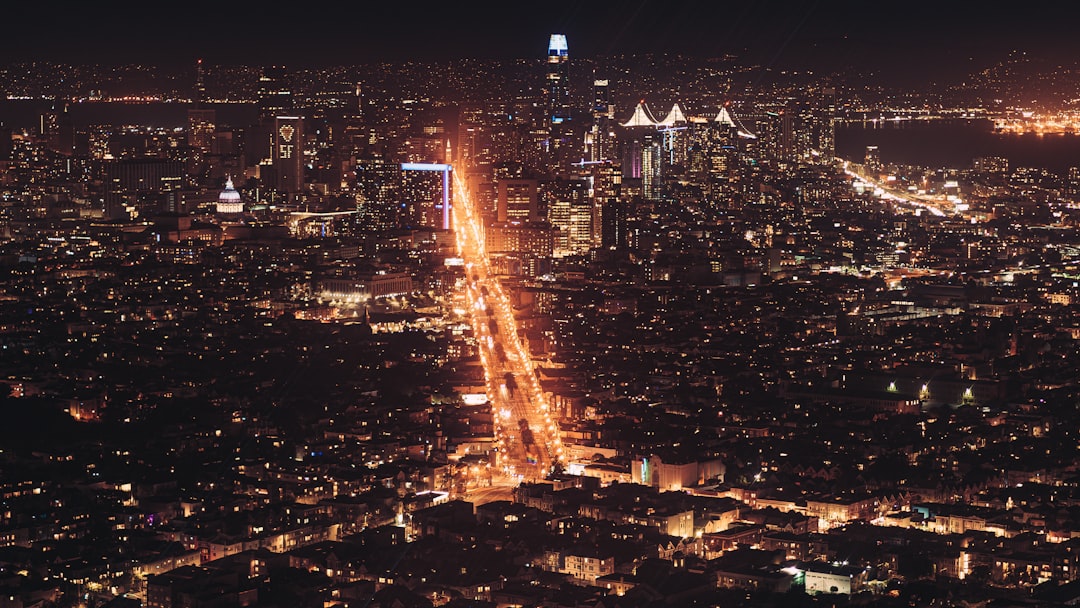
Looking ahead, the focus will be on how PG&E responds to this incident. Will they invest in modernizing their infrastructure and implementing advanced technologies to prevent similar outages? The community is watching closely, eager for a commitment to change that prioritizes safety and reliability.
 News
NewsDAC Clears ₹2.12 Lakh Crore Defence Acquisitions
Army proposals include tracked gun systems and long-range drones; the Navy’s package includes decoys designed to counter modern anti-ship missiles.
Read More →As you consider your own preparedness for potential outages, think about how you can contribute to the conversation around energy reliability. What steps can you take to advocate for better infrastructure in your community? Your voice matters in shaping the future of energy in San Francisco.
Written by Career Ahead AI. AI can make mistakes, so verify key facts. Report errors to support@careeraheadonline.com.





