No products in the cart.

Prahlad Joshi takes charge of Education Min
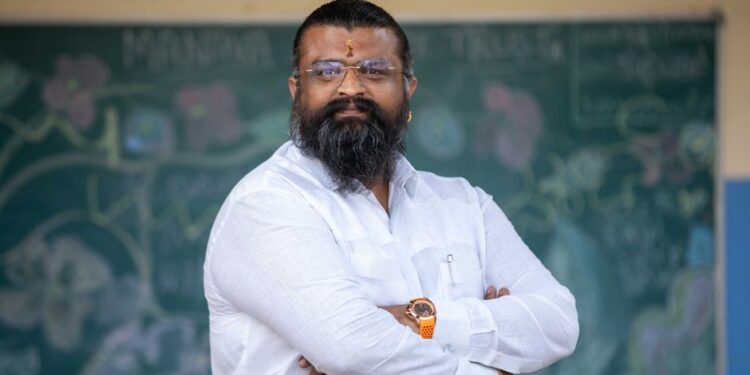
Joshi, a seasoned politician and six-time Lok Sabha MP from Karnataka's Dharwad constituency, has been entrusted with significant responsibilities.

India — Prahlad Joshi has officially become the Union Education Minister as of July 26, 2026. He replaces Dharmendra Pradhan, who resigned due to public pressure and protests over alleged issues with the National Eligibility cum Entrance Test (NEET). Joshi’s leadership is expected to impact educational policies, especially in higher education and examination frameworks.
Joshi is an experienced politician and has served as a Lok Sabha MP from Karnataka’s Dharwad constituency six times. He has significant responsibilities. Along with his new education role, he also manages the Ministries of Consumer Affairs, Food and Public Distribution, and New and Renewable Energy. This diverse portfolio may help him integrate educational reforms with broader economic policies.
Impact on NEET Examination Policies
The NEET examination has faced controversy, especially due to recent protests demanding accountability and transparency. These protests led to Pradhan’s resignation, showing a public demand for reform in the examination process. Career Ahead’s analysis suggests that Joshi’s appointment could prompt a reassessment of NEET policies in response to these concerns.
Joshi’s past experience in various ministerial roles indicates he may focus on reforms that address students‘ and educational stakeholders’ concerns. This could mean stricter guidelines for examination conduct, improved transparency in evaluations, and possibly revising the NEET syllabus to meet current educational standards. A report by the Economic Times notes that Joshi may also review the examination’s operational framework to ensure fairness and integrity.
Additionally, Career Ahead research indicates that the Ministry of Education might explore alternative pathways for student admissions into medical colleges.
Additionally, Career Ahead research indicates that the Ministry of Education might explore alternative pathways for student admissions into medical colleges. This could involve evaluating student capabilities beyond standardized tests. Such a shift would reflect a more holistic approach to assessing readiness for medical education. The Times of India has reported that these changes could create a more diverse and capable group of candidates for the medical field, improving healthcare education in India.
Given the public protests, Joshi’s leadership may also emphasize accountability in education. Stakeholders in higher education should prepare for changes in examination regulations and policies that could reshape medical education in India. A focus on transparency and fairness may encourage more student participation in the reform process, fostering collaboration between the government and educational institutions.
You may also like
 Education & University Insights
What to Know About France’s High School Protests | Career Outlook
The protests have been fueled by a combination of factors, including dissatisfaction with the quality of education, inadequate resources, and a perceived lack of support…
Read More →
Potential Changes in Higher Education Funding
Joshi’s appointment comes as higher education funding is under scrutiny. The government has faced criticism for not providing enough financial support to educational institutions, especially after the COVID-19 pandemic. Career Ahead’s analysis suggests that Joshi may push for increased funding and resource allocation to improve education quality across disciplines. His role in overseeing renewable energy initiatives could also inspire innovative funding strategies that align educational goals with sustainable development.
Career Ahead’s analysis suggests that Joshi may push for increased funding and resource allocation to improve education quality across disciplines.
In his capacity, Joshi might advocate for reforms to address funding disparities between urban and rural educational institutions. This is vital for ensuring equitable access to quality education, particularly in underserved areas. His focus on renewable energy education may lead to more investment in green technologies and sustainable practices within educational institutions. Firstpost highlights that this could involve partnerships with the private sector to secure additional funding for programs promoting sustainability.
Moreover, integrating renewable energy education into higher education curricula could create innovation and research opportunities. Institutions may need to adapt their programs to include courses on sustainable practices, aligning with government initiatives promoting green technologies. The Economic Times has reported that these educational reforms could enhance graduates’ employability and support India’s broader sustainability goals.
As the Education Ministry considers these funding reforms, higher education administrators must stay alert and responsive to policy changes. Effective communication with government bodies will be crucial to secure necessary funding and resources. Anticipated changes in funding allocations may also prompt institutions to reassess their strategic priorities, focusing on areas aligned with government initiatives and societal needs.
The changes from Joshi’s appointment are expected to impact India’s education system significantly. As the government navigates these reforms, stakeholders must remain engaged and adaptable to the evolving educational landscape. The potential for transformation in NEET examination policies and higher education funding presents both challenges and opportunities for all involved.
Career Ahead’s analysis suggests that education policy analysts should expect reforms in NEET examination policies and possible increases in higher education funding.
Frequently Asked Questions
What changes can education policy analysts expect from the new Education Minister?
Career Ahead’s analysis suggests that education policy analysts should expect reforms in NEET examination policies and possible increases in higher education funding. Joshi’s leadership may bring a renewed focus on accountability and transparency in examinations.
You may also like
 Education & University Insights
Centre of Excellence for Classical Pali Launched
The Centre aims to enhance the study and preservation of the Pali language, focusing on its significance in Buddhist literature and philosophy.
Read More →How will higher education administrators need to adapt to potential policy shifts?
Higher education administrators must stay informed about policy changes regarding funding and examination regulations. Collaboration with government bodies will be essential to secure necessary resources and comply with new educational standards.

What should education stakeholders do about the recent changes in leadership?
Education stakeholders should engage in proactive discussions with policymakers to influence educational reforms. Staying informed and adaptable will be key to navigating the changes brought by Joshi’s appointment.