Naik's appointment by the Gujarat government through a notification from the agriculture, farmers welfare, and cooperation department signifies a potential shift in leadership style and focus within
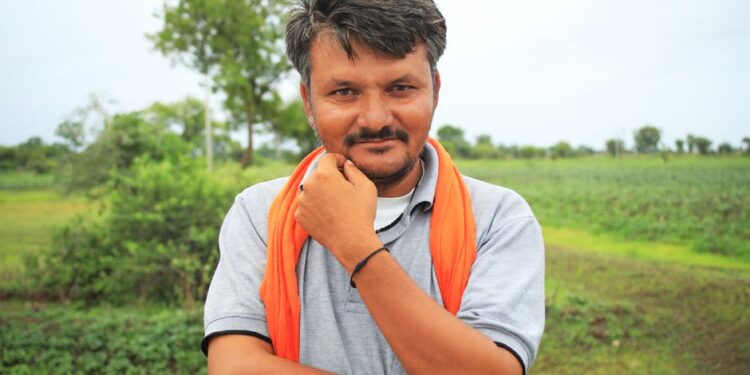
India — R M Naik has been appointed as the new Vice-Chancellor of Navsari Agricultural University (NAU), effective July 31, 2026. This appointment follows a distinguished career of 37 years in agricultural education and extension. Naik’s background in teaching, research, and rural outreach positions him to lead one of Gujarat’s top agricultural institutions for the next five years.
Naik’s appointment by the Gujarat government, through a notification from the agriculture, farmers welfare, and cooperation department, may signal a shift in leadership style and focus. His deep engagement with farmers and students is expected to influence the university’s direction in agricultural policies and research initiatives.
Transforming Agricultural Education Policies at NAU
With R M Naik in charge, significant changes in agricultural education policies are expected. His experience in agricultural extension, especially his focus on practical engagement with farmers, will likely lead to a curriculum that emphasizes hands-on learning. This approach meets the growing need for agricultural professionals who can tackle challenges faced by farmers in Gujarat and beyond.
Career Ahead’s analysis shows that Naik’s leadership could strengthen ties between academia and the agricultural industry. By combining practical training with theoretical knowledge, NAU may produce graduates better equipped for modern agriculture. This shift could also attract more funding and partnerships from government and private sectors, enhancing research capabilities and outreach programs.
Moreover, Naik’s appointment may bring a renewed focus on interdisciplinary research at NAU. Collaborative projects that unite experts from fields like environmental science, technology, and business could emerge. This holistic approach is vital for developing innovative solutions to pressing agricultural challenges. According to the Economic Times, Naik’s impressive publication record, with over 100 publications, shows he values research as a cornerstone of agricultural education. His emphasis on research-driven policies could enhance NAU’s reputation as a leader in agricultural innovation.
Career Ahead’s analysis shows that Naik’s leadership could strengthen ties between academia and the agricultural industry.
Chennai's government colleges are introducing new courses in data science and AI to attract students and align with industry demands. This reflects a broader trend…
Naik’s leadership style, marked by engagement and collaboration, may also inspire faculty and students to participate actively in community outreach. This could lead to programs that directly benefit rural communities, providing them with knowledge and resources to improve agricultural practices. His approach aims to create an environment where students not only learn but also contribute to the community, reinforcing the university’s commitment to social responsibility.
Potential Changes in Research Funding for Agricultural Projects
Under Naik’s leadership, changes in research funding for agricultural projects are expected to be a priority. His background in agricultural extension and communication positions him to advocate for increased investment in research initiatives that address local agricultural issues. This could lead to more funding opportunities from both governmental and non-governmental organizations. As reported by the Times of India, Naik’s focus on practical research that benefits farmers directly could attract funding from various sources. By aligning research projects with the needs of the agricultural community, NAU can secure grants and partnerships that enhance its research capacity.
Additionally, Naik’s experience in outreach programs may lead to collaborative research projects with industry stakeholders. These partnerships could facilitate technology transfer and innovation, giving students and faculty access to the latest agricultural technologies and practices. Consequently, NAU could become a hub for agricultural research and innovation in Gujarat. This reputation would attract top talent to the university and position it as a key player in addressing regional agricultural challenges.
Increased funding and research opportunities could also lead to specialized programs focusing on emerging areas in agriculture, such as sustainable practices, climate resilience, and precision agriculture. These programs would prepare students for the future workforce and advance the agricultural sector. Naik’s strategic vision for NAU is expected to align with national priorities in agricultural research, enhancing the university’s role in shaping broader agricultural policies.
Furthermore, Naik’s commitment to research-driven outreach could develop evidence-based practices for farmers. This approach ensures that programs are grounded in research and tailored to the unique challenges faced by farmers in Gujarat. As NAU begins this new chapter under Naik’s leadership, the agricultural community can expect initiatives that emphasize education and practical solutions to improve farmers’ quality of life.
India's JEE Advanced 2026 results show significant progress in qualification rates for SC, ST, and women candidates, indicating a shift towards inclusivity in engineering education.
These programs would prepare students for the future workforce and advance the agricultural sector.
The implications of Naik’s appointment as Vice-Chancellor extend beyond the university. His leadership may pave the way for a more integrated approach to agricultural education, research, and outreach in Gujarat. As NAU evolves, it will be essential to monitor how these changes impact the agricultural landscape in the region.
Frequently Asked Questions
What initiatives might R M Naik introduce as NAU Vice-Chancellor?
R M Naik is likely to introduce initiatives focused on practical training and community outreach. His experience in agricultural extension suggests a commitment to developing programs that directly benefit farmers in Gujarat.
How will R M Naik’s background influence agricultural education at NAU?
Naik’s extensive experience in teaching, research, and rural outreach will shape NAU’s educational policies. His focus on practical engagement with farmers is expected to lead to a curriculum that emphasizes hands-on learning.
What should agricultural extension professors expect from the new leadership at NAU?
Agricultural extension professors can expect a renewed focus on interdisciplinary research and community engagement under Naik’s leadership. His collaborative approach may encourage faculty participation in outreach initiatives that directly impact rural communities.



Education & University Insights
Education & University Insights