No products in the cart.

Railways Sets ₹10,000 Minimum Pension for NPS Employees

The Indian Railways has introduced new pension rules under the Unified Pension Scheme (UPS), ensuring a minimum pension of ₹10,000 for eligible employees after 10 years of qualifying service.

The Indian Railways has introduced new pension rules under the Unified Pension Scheme (UPS). This ensures a minimum pension of ₹10,000 for eligible employees after 10 years of qualifying service. This important policy change was officially announced on September 23, 2026. It aims to provide better financial security for railway employees under the National Pension System (NPS).
These new rules address long-standing concerns about retirement benefits for railway employees. The UPS replaces the previous pension scheme and will benefit many railway staff, especially those hired after January 1, 2004. The guaranteed minimum pension is a key step in improving the financial well-being of these employees.
Understanding the New Pension Framework
Under the new UPS, railway employees must contribute 10% of their basic pay plus dearness allowance (DA) each month to their pension accounts. The government will match this contribution, doubling the amount in the pension fund. Additionally, the Pension Fund Regulatory and Development Authority (PFRDA) will contribute around 8.5% of the basic pay plus DA, boosting the pension fund further.
Employees with 25 years of qualifying service will receive the full assured pension, set at 50% of the average basic pay from their final year of service. Those with 10 to 25 years of service will get a lower pension, ensuring support for employees with shorter service periods.
The UPS also allows employees to choose voluntary retirement after 20 years of service. However, the pension benefits for those who opt for this will depend on their qualifying service. This gives employees flexibility if they want to leave the workforce early while still receiving some pension benefits.
This gives employees flexibility if they want to leave the workforce early while still receiving some pension benefits.
You may also like
 Government & Policy
UK and US warned to take action on spiralling debt costs
IMF Managing Director Kristalina Georgieva emphasizes the urgent need for fiscal consolidation in the UK and US as debt costs rise significantly. With the US…
Read More →A report by Livemint states that the new pension rules set a minimum pension and outline eligibility requirements, contributions, and pension calculations based on service length. This clarity is essential for employees as they plan for retirement. The UPS also includes provisions for dearness relief, which protects pensioners’ purchasing power against inflation, keeping the minimum pension relevant over time.
Career Ahead’s analysis shows that the new minimum pension of ₹10,000 is a significant improvement over past arrangements. Previous plans often left employees with inadequate retirement savings. This change enhances the financial security of railway employees and aligns with government efforts to improve pension systems across various sectors.
Eligibility and Contributions: Who Benefits?
The new pension scheme applies to railway employees appointed on or after January 1, 2004, who are covered by the NPS. However, certain workers, such as casual and daily-wage employees, contract workers, and those under different pension regulations, will not qualify for the UPS.
The contribution structure is clear: both employees and the government will contribute equally to the pension fund. This dual contribution model encourages employees to save for retirement and ensures the government actively supports its railway staff’s financial futures. The government’s commitment to matching employee contributions reflects a trend in public sector reforms aimed at enhancing employee benefits.
As CNBC TV18 highlights, the UPS addresses railway employees’ concerns about retirement security. It offers a stronger framework than previous schemes. The clear contribution structure and benefits for long-term service will significantly influence how employees plan their careers and retirement.
As the UPS is implemented, it is vital for railway employees to understand their rights and responsibilities under this new framework.

As the UPS is implemented, it is vital for railway employees to understand their rights and responsibilities under this new framework. The changing landscape of pension regulations will require ongoing education and awareness among railway staff to maximize their benefits. The introduction of a minimum pension of ₹10,000 is expected to greatly improve the financial outlook for many employees, especially those nearing retirement.
You may also like
 Government & Policy
Political Campaigns Transform with Paid Creators Dominating Content
Political campaigns are increasingly leveraging paid creators to produce cost-effective content, reshaping digital marketing strategies for 2026. This shift not only reduces costs but also…
Read More →The new pension rules mark a shift towards more secure retirement benefits for railway employees. Understanding pension structures is crucial as they navigate these changes. Employees must consider how these new provisions affect their long-term financial planning.
Looking ahead, the successful rollout of the UPS could serve as a model for other government sectors. This might lead to similar reforms that enhance retirement security for all employees. The practical impact of these changes remains to be seen, but the initial framework suggests a promising future for pension benefits in India.
Frequently Asked Questions
What are the eligibility requirements for the new minimum pension?
To qualify for the new minimum pension of ₹10,000, railway employees must complete at least 10 years of qualifying service under the Unified Pension Scheme (UPS). This scheme applies to employees appointed on or after January 1, 2004.
Understanding voluntary retirement and pension calculations based on service length will help employees make informed decisions about their careers and retirement planning.
How does the 25-year service requirement affect my retirement plans?
The 25-year service requirement is crucial for employees seeking the full assured pension, which is 50% of the average basic pay during the final year of service. Employees with fewer than 25 years of service will receive a lower pension, affecting their overall retirement income.
What should railway employees do to maximize their pension benefits under the new rules?
Railway employees should learn about the new UPS structure, including contributions and benefits. Understanding voluntary retirement and pension calculations based on service length will help employees make informed decisions about their careers and retirement planning.
You may also like
 Government & Policy
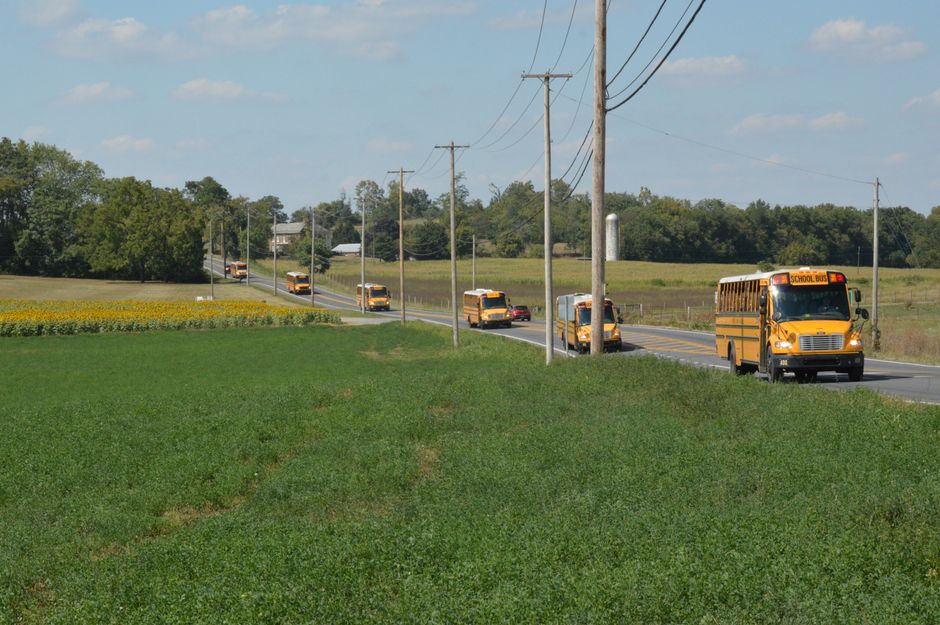
The Challenges of Electric Bus Implementation
Many schools across the U.S. are postponing the adoption of electric buses due to budget constraints and regulatory challenges. This article explores the implications for…
Read More →