No products in the cart.

Reid Hoffman Advocates AI as Second Opinion for Doctors

Reid Hoffman argues that AI should be a standard tool for doctors, serving as a second opinion to enhance diagnoses and treatment plans. This article explores his insights and the implications for the healthcare sector.

AI’s Growing Role in Healthcare
Artificial intelligence has made significant strides in various sectors, and healthcare is no exception. Reid Hoffman, co-founder of LinkedIn, has emerged as a prominent voice advocating for the integration of AI into medical practices. At a recent health conference, he argued that doctors should routinely consult AI tools for second opinions on diagnoses and treatment plans. This perspective challenges traditional medical practices and highlights the potential of AI to transform patient care.
Hoffman’s company, Manas AI, focuses on leveraging AI to accelerate drug discovery processes. He believes that AI systems can synthesize vast amounts of medical literature and data, providing valuable insights that may be overlooked by human practitioners. This capability is particularly crucial in a healthcare landscape where misdiagnosis can have dire consequences for patients.
According to Hoffman, “If as a doctor, you’re not using one or more frontier models as a second opinion, my belief is you’re bordering on committing malpractice.” This statement underscores the urgency of adopting AI technologies in medical settings, especially as the demand for healthcare services continues to grow.
Enhancing Medical Decision-Making with AI
The integration of AI into healthcare decision-making processes can significantly reduce diagnostic errors. A study highlighted by Harvard Business Review indicates that AI tools can help flag missed differentials and suggest alternative diagnoses, benefiting underserved areas where access to experienced healthcare professionals is limited.
While Hoffman acknowledges the risks associated with AI, including bias and misinformation, he argues that the benefits far outweigh these concerns when AI is used as a supplementary tool rather than a replacement for human judgment. By using AI as a second opinion, doctors can enhance their diagnostic accuracy and ultimately improve patient outcomes.
A study highlighted by Harvard Business Review indicates that AI tools can help flag missed differentials and suggest alternative diagnoses, benefiting underserved areas where access to experienced healthcare professionals is limited.
You may also like
 Entrepreneurship & Business
Startups Captivating VCs at PearX Demo Day
The PearX program is renowned for its selective nature, capping its cohorts at just 20 startups. This approach facilitates focused mentorship and investment opportunities from…
Read More →Moreover, the potential for AI to act as a triage system is particularly relevant in countries struggling with healthcare accessibility. Hoffman suggests that a large language model could serve as a medical assistant on smartphones, providing preliminary assessments before patients see a doctor, thereby alleviating the burden on healthcare systems.
Navigating Challenges in AI Adoption
Despite the promising potential of AI in healthcare, significant challenges remain. One major concern is the accuracy of AI-generated information. According to the FDA, large language models can produce inaccurate or misleading results, which can lead to serious consequences if relied upon without human oversight. This raises questions about the trustworthiness of AI as a second opinion source.
Additionally, there is an ongoing debate about the ethical implications of using AI in medical settings. Some healthcare professionals express concerns that over-reliance on AI could erode the doctor-patient relationship, as patients may become more reliant on technology for answers, potentially undermining the importance of human empathy in healthcare.
Furthermore, the integration of AI into healthcare raises questions about data privacy and security. As AI systems require access to vast amounts of patient data, ensuring that this information is protected from breaches becomes paramount. The healthcare industry must navigate these challenges carefully to foster trust in AI technologies.
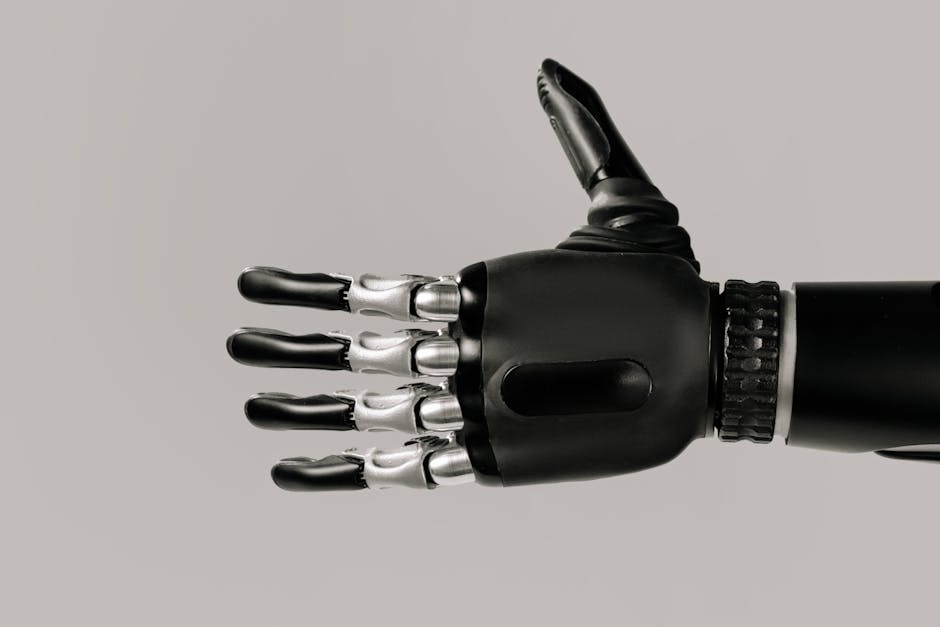
Future Prospects for AI in Healthcare The future of AI in healthcare appears promising but complex.
Future Prospects for AI in Healthcare
The future of AI in healthcare appears promising but complex. As more healthcare providers begin to adopt AI tools, the landscape of medical practice is likely to evolve significantly. Hoffman envisions a future where AI plays a central role in diagnosing and treating diseases, making healthcare more efficient and accessible to all.
You may also like
 Entrepreneurship & Business
Founders Face Open vs Closed AI Dilemma
Founders now see that selecting an AI model is more than just a technical choice. It is a core part of their business strategy. The…
Read More →In ten years, Hoffman suggests, every major disease could have targeted treatment options identified through AI-driven research. This could lead to breakthroughs in areas that have traditionally received less attention from pharmaceutical companies, such as rare diseases. The potential for AI to democratize access to cutting-edge treatments is a compelling argument for its continued integration into healthcare.

However, for this vision to become a reality, the healthcare industry must address the challenges associated with AI adoption, including developing robust regulatory frameworks to ensure the safe and ethical use of AI technologies in medical settings. Collaboration between tech companies, healthcare providers, and regulatory bodies will be essential to navigate this evolving landscape.
Career Implications in an AI-Driven Healthcare Landscape
The rise of AI in healthcare signifies not just a technological shift but also has significant implications for careers in the field. As AI becomes an integral part of medical practice, healthcare professionals will need to adapt to new tools and methodologies, which may require additional training and education.
As AI becomes an integral part of medical practice, healthcare professionals will need to adapt to new tools and methodologies, which may require additional training and education.
Moreover, the demand for professionals who can bridge the gap between technology and healthcare is likely to grow. Roles such as health informatics specialists and AI ethics consultants will become increasingly important as the industry navigates the complexities of integrating AI into patient care.
Ultimately, the future of healthcare will likely be defined by the synergy between human expertise and artificial intelligence. Professionals who embrace this change and seek to understand the capabilities of AI will be well-positioned to thrive in an evolving job market.
You may also like
 Entrepreneurship & Business
Razorpay Partners with OpenAI to Bring ChatGPT Ads to Indian Brands
Razorpay's partnership with OpenAI to introduce ChatGPT Ads marks a significant shift in how Indian brands approach digital marketing. This move opens new avenues for…
Read More →