No products in the cart.

Retail Traders Embrace AI Algos in India
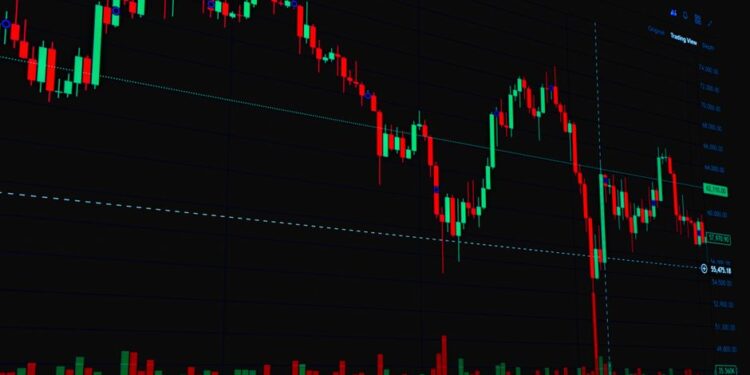
The rise of AI-powered algorithmic trading tools is transforming the landscape for retail traders in India, driven by regulatory support and user-friendly platforms.

India’s retail traders are increasingly adopting AI-powered algorithmic trading tools, driven by supportive regulatory frameworks from the Securities and Exchange Board of India (Sebi) and the emergence of zero-code platforms. This shift represents a significant change in the trading landscape, as more investors seek to automate their strategies to enhance execution and reduce emotional bias.
According to a recent discussion with Shruti Jain from Arihant Capital, the accessibility of trading APIs and the rise of user-friendly platforms are making algorithmic trading a viable option for many retail investors. This evolution is not just a trend; it marks a fundamental change in how trading is conducted in India.
Understanding the Shift to Automation in Trading
The transition to automated trading solutions is gaining traction in India as retail investors look for ways to improve their trading performance. Career Ahead’s analysis indicates that the integration of AI tools can significantly enhance trading outcomes by executing trades faster and more accurately than manual methods. This is particularly important in a fast-paced market where timing can be critical.
Moreover, the reduction of emotional bias is a key advantage of algorithmic trading. Many traders struggle with psychological factors that can lead to poor decision-making. By relying on algorithms, traders can mitigate these emotional influences and adhere to their trading plans more consistently. This is increasingly relevant, especially as reports indicate that a significant percentage of retail traders are facing losses in the current market environment.
In a study by the National Association of Securities Dealers (NASSCOM), it was found that nearly 87.7% of futures and options traders experience losses, highlighting the need for systematic trading approaches. This statistic underscores the importance of automation in helping traders avoid common pitfalls associated with manual trading. As noted by Prashant Shah in a recent interview, the high loss rate among retail investors is prompting a shift towards systematic trading methods that can provide a more structured approach to market engagement.
In a study by the National Association of Securities Dealers (NASSCOM), it was found that nearly 87.7% of futures and options traders experience losses, highlighting the need for systematic trading approaches.
You may also like
 Industry & Global Trends
£150bn Megaproject Shields Britain
As the UK grapples with rising energy costs and the impacts of international crises, such as the war in Ukraine, this initiative has become increasingly…
Read More →As more retail traders begin to explore these options, the demand for AI trading platforms is expected to grow. Zero-code platforms, which allow users to implement strategies without needing extensive programming knowledge, are particularly appealing. This trend reflects a broader movement towards democratizing access to advanced trading tools. The rise of such platforms is not only making trading more accessible but also encouraging a new generation of investors to participate in the stock market.
Regulatory Support and Market Implications
Regulatory frameworks play a crucial role in facilitating the adoption of AI in trading. The Sebi’s initiatives to promote algorithmic trading have created a conducive environment for retail investors. These regulations provide a level of protection and assurance, encouraging more individuals to engage with automated trading systems. According to the Economic Times, the proactive stance of Sebi in regulating and promoting algorithmic trading is vital for ensuring that retail investors can safely navigate this new landscape.
Career Ahead research finds that as regulatory support increases, more retail investors are likely to enter the market, potentially leading to greater liquidity and market efficiency. This influx of new traders could reshape the competitive landscape, pushing traditional firms to adapt to these changes. As the market evolves, the integration of AI tools can lead to a more informed trading community. As traders utilize data-driven strategies, there is a potential for collective learning and improvement within the market. This shift towards data-centric trading could enhance overall market stability and reduce volatility.
However, it is essential to approach this transition with caution. While the benefits of algorithmic trading are significant, there are also risks involved, particularly for inexperienced traders. The reliance on algorithms can lead to overconfidence, where traders might neglect fundamental analysis in favor of automated solutions. As highlighted in various discussions, including those by financial analysts, a balanced approach that incorporates both AI tools and traditional trading principles will be crucial for long-term success.

Moreover, as educational resources become more accessible, traders will have the opportunity to enhance their understanding of algorithmic trading.
As the market continues to evolve, understanding the balance between automation and traditional trading principles will be crucial for success. Traders must remain vigilant and adaptable as they navigate this new landscape. The future of trading in India appears to be closely tied to the advancements in AI and automation, with more retail traders embracing these technologies, setting the stage for significant transformation.
As AI algorithms continue to improve, they will likely offer even more sophisticated strategies that can analyze market conditions in real-time. This capability could empower traders to respond to market changes more effectively, optimizing their trading strategies for better outcomes. Moreover, as educational resources become more accessible, traders will have the opportunity to enhance their understanding of algorithmic trading. This knowledge will be vital in ensuring that traders can leverage these tools effectively, minimizing risks while maximizing returns.
You may also like
 Industry & Global Trends
FPIs Pull ₹13,138 Crore from Indian Equities
Foreign Portfolio Investors (FPIs) have withdrawn ₹13,138 crore from Indian equities in September 2023, reflecting a cautious stance amid rising global uncertainties. This trend raises…
Read More →The integration of AI into trading strategies also raises questions about the future role of human traders. While automation can enhance efficiency, the need for human oversight and strategic thinking remains paramount. The best outcomes will likely come from a hybrid approach that combines the strengths of both AI and human expertise.
As the market continues to evolve, retail traders must stay informed about the latest developments in AI and automation. The ability to adapt and learn will be essential in navigating this rapidly changing environment.
Frequently Asked Questions
What are the best AI trading platforms for retail traders in India?
Several platforms are emerging as leaders in AI trading for retail investors in India. Zero-code platforms are particularly popular, allowing users to implement trading strategies without needing extensive programming skills. Career Ahead’s research highlights the importance of selecting a platform that aligns with individual trading goals and risk tolerance.
Career Ahead emphasizes the importance of continuous learning in this evolving field.
How can algorithmic trading reduce emotional bias?
Algorithmic trading minimizes emotional bias by automating decision-making processes. This helps traders stick to their strategies without being influenced by fear or greed. Career Ahead analysis shows that this can lead to more consistent trading outcomes and improved performance over time.
What skills do I need to develop to succeed in automated trading?
To succeed in automated trading, traders should focus on understanding data analysis and algorithmic strategies. Familiarity with trading APIs and the ability to interpret market signals are also crucial. Career Ahead emphasizes the importance of continuous learning in this evolving field.
You may also like
 Industry & Global Trends
Sam Altman Warns Against 2026 IPO Plans
OpenAI's CEO Sam Altman cautions that pursuing an IPO in 2026 is ill-advised due to market volatility and safety concerns in AI development. This decision…
Read More →