No products in the cart.

Rivian Scales Back EV Factory Plans Amid Loan Cuts

Rivian has announced a significant change to its Georgia factory plans, reducing production capacity due to a cut in federal loan funding. This adjustment raises questions about the future of electric vehicle manufacturing and its implications for the industry.

Rivian’s Factory Capacity Reduction
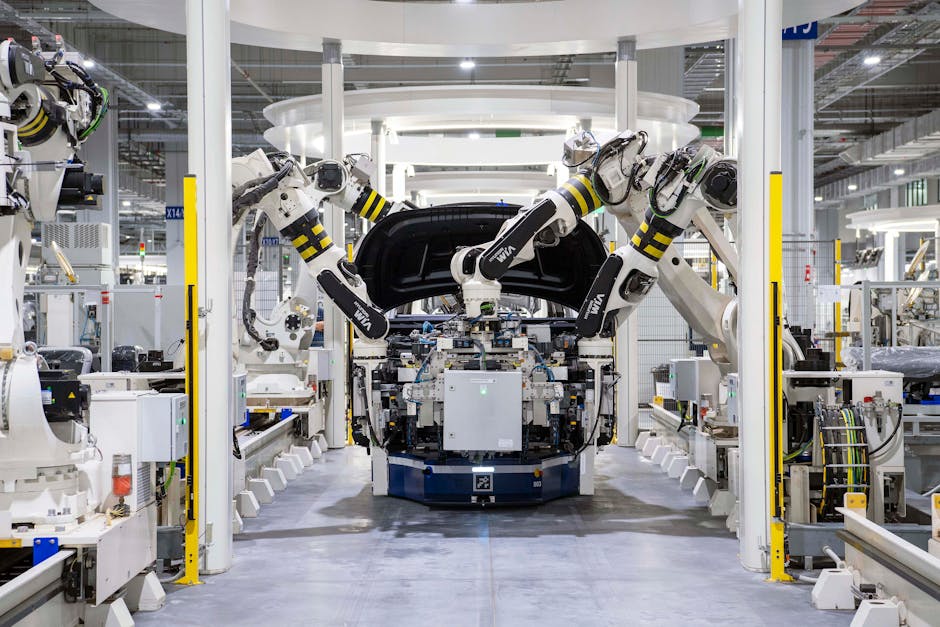
Rivian, a key player in the electric vehicle (EV) market, is scaling back its factory plans in Georgia. The company initially aimed for a production capacity of 400,000 vehicles per year. However, following a revised loan agreement with the U.S. Department of Energy (DOE), Rivian has adjusted its target to 300,000 vehicles annually. This change comes as the DOE reduced its loan commitment from $6.6 billion to $4.5 billion, raising concerns about the future of the facility and its implications for Rivian’s growth.
This downsizing is not just a setback for Rivian; it reflects broader trends within the EV industry. As manufacturers grapple with supply chain issues and fluctuating demand, securing funding becomes crucial. Rivian’s situation highlights the delicate balance between ambitious production goals and the financial realities that govern them.
Consequences of the DOE Loan Cut
The reduction in the DOE loan has immediate implications for Rivian’s operational strategy. The company has been forced to rethink its expansion plans, which were initially set to significantly boost its production capabilities. The revised loan terms may require Rivian to adopt a more cautious approach to scaling operations.
Moreover, the cut in funding raises questions about the sustainability of Rivian’s business model. The company has already invested heavily in its manufacturing capabilities, and any further delays could impact its competitiveness in the rapidly evolving EV market. As other manufacturers ramp up production, Rivian must find ways to innovate and maintain its market position.
Moreover, the cut in funding raises questions about the sustainability of Rivian’s business model.
Industry-Wide Challenges and Trends
The challenges faced by Rivian are emblematic of a larger trend in the electric vehicle sector. Many companies are grappling with rising costs and the need for substantial upfront investment. The EV market is becoming increasingly competitive, with established automakers and new entrants alike vying for market share.
Federal policies play a crucial role in shaping the landscape for EV manufacturers. The DOE’s funding decisions reflect broader governmental priorities, which can shift based on political climates. As Rivian adjusts its plans, it must navigate these complex dynamics while also responding to consumer demand for electric vehicles.
You may also like
 Entrepreneurship & Business
Entrepreneurship Education Demand Surges Among Parents, Teachers
A survey reveals that over 72% of parents and teachers advocate for entrepreneurship education to begin before teenage years, highlighting a shift in educational priorities.
Read More →Analysts suggest that robust infrastructure and supply chain resilience are becoming increasingly important for manufacturers in the EV sector. Rivian’s ability to adapt to these challenges will be a significant factor in its long-term success in an industry characterized by rapid change.
Debates Surrounding EV Manufacturing
Rivian’s situation underscores the challenges of securing funding and opens a debate about the future of electric vehicle manufacturing. Some analysts argue that the reduction in the DOE loan could lead to a more cautious approach among EV startups, potentially stifling innovation. Others believe this could encourage companies to focus on sustainable growth rather than rapid expansion.
The contrasting perspectives highlight a fundamental tension in the industry: the need for speed versus the necessity of careful planning. Rivian’s adjustment may be viewed as a prudent response to financial realities, but it also raises concerns about the potential for missed opportunities in a fast-paced market.
Rivian’s ability to adapt to these challenges will be a significant factor in its long-term success in an industry characterized by rapid change.

Rivian’s Path Forward
The future of Rivian will depend on its ability to navigate the changing landscape of the electric vehicle market. With the revised production capacity, the company must focus on efficiency and innovation to maintain its competitive edge. As production timelines shift, Rivian will need to communicate effectively with investors and consumers to manage expectations.
Looking ahead, the EV market is anticipated to grow, influenced by various factors including consumer demand and technological advancements. However, companies like Rivian must navigate a complex environment marked by regulatory changes and evolving market dynamics. The ability to secure funding and manage production effectively will be critical for success.
You may also like
 Entrepreneurship & Business
Uber to Buy EzCater for $2.3 Billion
The acquisition is notable not only for the size of the deal but also for its implications on the catering logistics landscape.
Read More →As the industry matures, Rivian’s experience may serve as a case study for other manufacturers facing similar challenges. The lessons learned from this situation could inform strategies for growth and sustainability in the broader EV sector.